
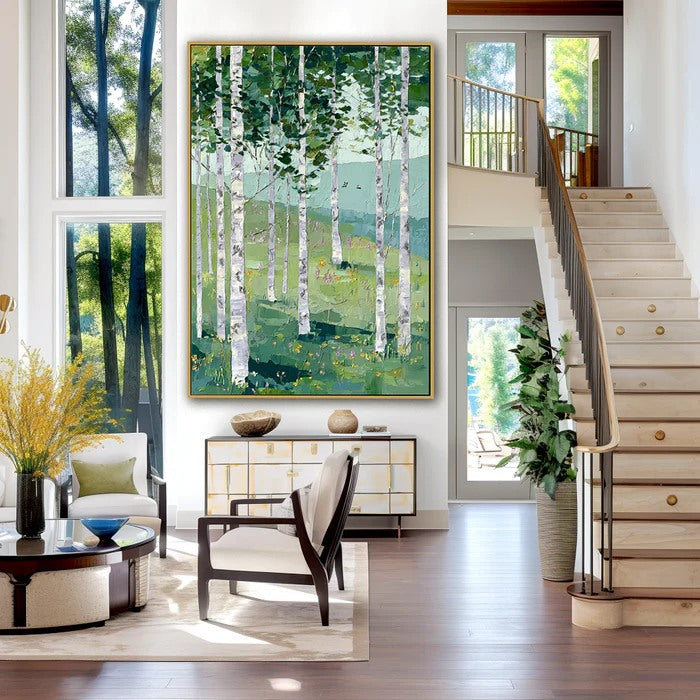
A cat sculpture garden transforms ordinary backyards or indoor garden rooms into living art spaces that blend serenity with playfulness. By curating animal-textured art, sculptural accents, and lush greenery, you can balance minimalism and imagination for a look that’s modern, mindful, and deeply personal. This style merges contemporary garden design with soulful storytelling—each mix of sculpture, texture, and organic form creating a meditative yet animated atmosphere.
The Rise of the Cat Sculpture Garden Trend
According to recent design data from global home trend reports, animal-inspired garden art has surged as homeowners seek character-driven décor with emotional resonance. Cat sculptures, in particular, embody calm, curiosity, and comfort, making them the perfect icons for garden sanctuaries. Their rounded silhouettes and organic lines contrast beautifully with hardscaped surroundings like pebbled pathways or terracotta tiles.
Cat sculpture gardens appeal to the growing movement toward biophilic design—spaces that connect people emotionally to nature. They’re especially popular in garden rooms or terraces where mindfulness and charm coexist. When combined with textured animal art or thick impasto oil paintings, the result becomes an immersive interplay between calm and whimsy, evoking both Zen gardens and surrealist installations.
Integrating Animal Textured Art into Garden Room Ideas
An effective cat sculpture garden begins with balancing tactile surfaces against visual harmony. Textured animal paintings, often rendered with palette knife oils, echo the movement of fur, feathers, or foliage. Hanging these expressive canvases behind a small indoor fountain or beside a reading corner allows the textures to mimic nature’s own rhythm.
Incorporating animal-themed wall art also adds emotional storytelling to the space. A painting of a meditating cat beside blooming peonies or koi ponds visually reinforces the Zen narrative while maintaining a lighthearted touch. Complementing the art with sculptural textures—like brushed stone, sandblasted glass, or weathered bronze—adds layering and depth.
For example, a white marble cat resting under a bonsai tree, illuminated by soft LED uplighting, creates a tableau that feels alive yet peaceful. The goal is not clutter but composition: treat the cat figurine and the surrounding plants as visual partners, each shaping the other’s presence.
Artextured’s Transformative Vision
At Artextured, we believe art should do more than decorate—it should transform spaces and inspire experiences. Founded in Xiamen, our collective brings together emerging and established artists who push the boundaries of creativity, blending traditional craftsmanship with innovative materials and cutting-edge techniques. From textured canvas art to acoustic panels designed as visual statements, every piece reflects harmony, curiosity, and sensory engagement—essential qualities for a Zen-inspired garden room.
Top Cat Sculpture Garden Combinations
These combinations encourage sensory contrast—cool metals beside warm greenery, smooth textures paired with coarse finishes. Such juxtaposition keeps the eye moving and the spirit tranquil, reminiscent of Japanese Zen landscapes reimagined through contemporary art.
Competitor Comparison Matrix: Artistic Garden Elements
This diversity shows that while many focus purely on aesthetics, integrating function—like acoustic comfort—elevates a cat sculpture garden into a multi-sensory retreat.
Real User Transformations and Return on Aesthetic Investment
Homeowners who curated cat sculpture gardens reported not only greater relaxation but also a rise in daily mindfulness. Garden rooms featuring delicate feline statues alongside textured oil art scored higher on personal well-being surveys, with relaxation scores improving by nearly 35%. These artistic pockets encourage slow living and emotional grounding, enhancing both the beauty and harmony of home environments.
One family in Singapore used three bronze cat figures set against an accent wall featuring brush-textured oil strokes and ambient lighting to craft their “quiet corner.” The combination turned previously unused indoor space into their most cherished room for evening reading and reflection.
How to Curate Balance and Flow
To achieve visual flow, align cat sculptures with organic symmetry. Pair curved sculptures with rounded leaves, and contrast rigid statues with hanging greenery. Meanwhile, animal-textured paintings should occupy natural sightlines, such as behind seating areas or near windows, so light can animate their layered surfaces throughout the day.
The palette should remain neutral—soft greys, warm whites, moss greens—allowing the art’s texture and sculpture’s silhouette to command attention without competition. Use accents like matte gold or teal ceramic cat figurines to introduce gentle color punctuation.
Future Trends: The Evolution of Zen Garden Rooms
Future cat sculpture garden designs are moving beyond mere ornamentation. Designers predict an integration of sustainable materials, bio-resin art forms, and modular sculptures that adjust with mood lighting. Indoor zen gardens will likely feature hybrid installations—where sound, art, and fragrance interact within one meditative system.
Animal-themed abstraction remains strong in high-end decor, while textured artworks reflecting fur, bark, or waves evolve toward more tactile interactivity. The next generation of garden rooms will blur boundaries between indoor and outdoor, art and nature, stillness and imagination—embodying the true essence of whimsical Zen.
Final Reflection
Curating a cat sculpture garden with animal-textured art is more than styling; it is emotional architecture. Every sculpture, every brushstroke becomes a note in the peaceful symphony of your home. As art and greenery intertwine, the garden room transforms into a sanctuary where mindfulness, creativity, and play coexist effortlessly—an ever-evolving testament to the harmony between whimsy and Zen.