
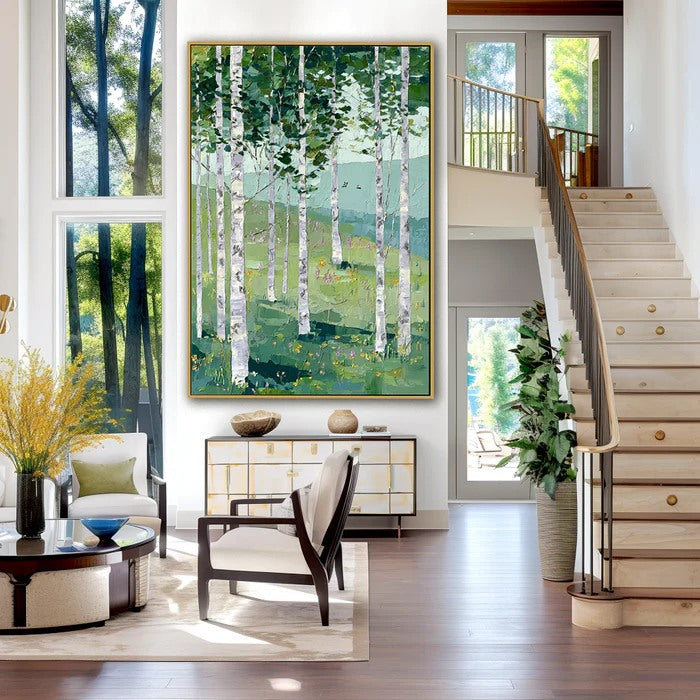
The beauty of abstract art lies in its power to transcend literal representation. In the realm of seascape painting, this abstraction becomes even more profound, as artists move away from realistic depictions of waves and horizons to explore the emotional resonance of the ocean through form, texture, and color. The combination of abstract painting techniques with the timeless motif of the sea creates a dialogue between imagination and nature—one that invites endless personal interpretation.

The Emotional Language of Abstract Seascapes
Abstract seascape artwork distills the essence of the ocean into pure visual emotion. Instead of showing boats, beaches, or defined horizons, these paintings communicate through rhythmic brushstrokes, gradients of blue and gray, and the interplay between light and shadow. The viewer senses movement and depth through overlapping color fields, where a single line might suggest the edge of a coastline or the reflection of light on water. This freedom allows each observer to bring their own memories and experiences to the canvas, transforming the artwork into a deeply personal space of contemplation.
Leading interior designers often turn to semi-abstract seascapes to create atmospheres of calm and sophistication. These pieces evoke both the grandeur and tranquility of the sea without dictating a single narrative. The shifting boundaries between realism and abstraction mirror the natural fluidity of water—forever changing, always in motion.
Color Theory and Emotional Resonance
Color is the soul of abstract seascape art. Deep cobalt and ultramarine tones infuse the canvas with depth and mystery, while touches of ochre or coral refract warmth and vitality. Contrasts between cool and warm hues create tension and rhythm, guiding the eye and invoking sensations of stillness or turmoil. Artists often layer translucent pigments to mimic the transparency of water, building compositions that capture the sensation of light breaking across waves.
Each palette tells a story—turquoise fields can represent serenity or renewal; indigo expanses might speak to solitude or infinite depth. The emotional interpretation remains open, enabling the viewer to navigate their own internal landscape through color relationships rather than figurative imagery.
Artistic Techniques Behind Abstract Seascapes
Modern abstract painters frequently employ unconventional materials—palette knives, sponges, or even fabric—to shape their seascapes. Textured pigments simulate the tactile feeling of sand or foam, inviting the viewer not only to see but to feel the work’s surface. Thick impasto brings sculptural relief, while gestural linework captures the rhythm of waves in motion. Dripping, layering, and scraping each contribute to the illusion of depth and shifting tides.
Light remains central to abstract seascapes. Some artists use metallic pigments or luminous varnishes to reflect ambient light, mimicking the ocean’s ever-changing surface. The absence of traditional perspective heightens this illusion, making the painting pulse with a quiet, meditative energy.
At Artextured, we believe art should do more than decorate—it should transform spaces and inspire experiences. Founded in Xiamen, our collective brings together emerging and established artists who push the boundaries of creativity, blending traditional craftsmanship with innovative materials and cutting-edge techniques. Our unique range of textured wall art and acoustic panels embodies this philosophy, merging elegance with functionality and redefining how art interacts with everyday environments.
Market Trends and Demand for Semi-Abstract Ocean Art
Global interest in abstract seascape paintings has surged. Reports from major art market analysts show consistent growth in demand for nature-inspired minimalism and emotional abstraction. Collectors and interior designers favor works that balance serenity with expressive energy—qualities inherently present in ocean-inspired paintings. The rise of sustainable materials and hand-textured mediums also reflects a broader movement toward tactile authenticity in art.
Contemporary artists like those showcased in major galleries often reinterpret traditional marine painting by blurring the boundaries between landscape and emotion. Their works connect to wellness, mindfulness, and biophilic design, emphasizing harmony between human spaces and natural rhythms.
Comparing Styles: Abstract vs. Impressionistic Seascapes
Both approaches share one truth: the sea’s essence cannot be captured literally but must be felt and reimagined.
Real Collectors and Living Spaces
In private collections and coastal penthouses alike, abstract seascapes command attention. A homeowner might select a large-format blue-and-white canvas to evoke openness and air. Offices and wellness studios benefit from organic color gradients that foster calm and creative focus. Hospitality projects often feature curated seascape artworks to create continuity between architectural space and natural inspiration.
Artists have also begun integrating digital technology, allowing buyers to preview how various textures and color palettes interact with realistic room lighting. These innovations are expanding the definition of the modern art experience, making abstract seascapes more accessible and customizable than ever before.
Future Trends in Abstract Painting and Seascape Art
The next evolution of abstract seascape artwork will see deeper integrations of texture, sustainability, and interactive design. Eco-conscious pigments, recycled materials, and hybrid digital prints will lead the way. As collectors seek originality and emotional connection, pieces that merge tactile artistry with immersive storytelling will dominate. Artificial intelligence may soon assist in compositional experimentation—yet the painter’s intuition will remain the heart of abstraction.
More than a passing trend, the fusion of abstract painting and seascape art reaffirms a timeless truth: art is not only seen but felt. Every brushstroke that drifts beyond form leads us closer to what cannot be spoken—the quiet rhythm of the sea within ourselves.
FAQS
What defines an abstract painting compared to realism?
Abstract paintings prioritize emotion, form, and color over accurate depiction. Unlike realism, which replicates objects or scenes precisely, abstract art emphasizes interpretation, mood, and visual impact, allowing viewers to connect with the essence of a subject rather than literal details.
How do seascape abstractions differ from traditional seascapes?
Seascape abstraction focuses on movement, color, and texture of oceans rather than realistic horizons or waves. Artists use brushstrokes, layering, and color blending to evoke the sea’s energy and emotion, creating immersive visual experiences that capture the essence of water, sky, and light.
Why are abstract paintings popular in contemporary art collections?
Abstract art appeals for its emotional depth, versatility, and interpretive freedom. Collectors value expressive forms, bold colors, and conceptual narratives that complement modern interiors while encouraging personal engagement with the artwork, a principle embraced by Artextured in gallery and acoustic art designs.
How can viewing abstract art impact mood or creativity?
Exposure to abstract paintings stimulates the brain by enhancing creativity, emotional reflection, and focus. Color, pattern, and form activate imagination, reduce stress, and inspire new perspectives, making abstract art both visually appealing and psychologically engaging.
What techniques are commonly used in abstract painting?
Key techniques include layered brushwork, palette knife textures, dripping, pouring, and mixed media. These methods create depth, movement, and expressive surfaces that transform realistic elements like seascapes into dynamic, abstract interpretations full of energy and emotion.
How do colors influence the perception of abstract seascapes?
Colors in abstract seascape paintings shape mood: blues and greens evoke calmness, while reds or golds suggest energy or warmth. Strategic use of contrast, saturation, and gradients enhances emotional resonance, guiding the viewer’s connection to the sea’s movement and atmosphere.
Can abstract art complement interior design effectively?
Yes, abstract paintings enhance interiors by adding visual interest, color balance, and focal points. Seascape abstractions or expressive forms bring energy, serenity, and aesthetic harmony to living rooms, offices, or galleries, creating spaces that inspire and engage viewers.
Where can I find high-quality pictures of abstract paintings?
High-quality abstract painting images are available via art galleries, online collections, museum archives, and contemporary artist platforms. Artextured offers exclusive, art-infused acoustic panels featuring curated abstract works, allowing collectors and interior designers to experience both visual and spatial impact.