
A streaming room that looks sharp on camera but sounds hollow in real time quickly undermines audience engagement. The best gaming room acoustic panels for streamers are not thin foam tiles, but dense, visually considered panels that absorb speech-range reflections while contributing to a curated backdrop. High-density cores wrapped in refined textiles or integrated into modular art systems reduce flutter echo and vocal harshness without flattening the room’s personality. The challenge is not just technical control—it is preserving a visually intentional space while quietly correcting how sound behaves across hard surfaces, glass monitors, and bare walls.(Edited on June 8, 2026)
Why Streamer Rooms Sound Worse Than They Look
Modern gaming setups are built from reflective materials: dual monitors, glass desktops, painted drywall, and minimal soft furnishing. These surfaces bounce mid-to-high frequency sound—precisely where speech intelligibility lives—creating a subtle but persistent echo that microphones exaggerate.
In practice, this shows up as:
-
Slight metallic ringing after you speak.
-
A “roomy” or distant vocal tone even with a good microphone.
-
Listener fatigue during longer streams.
Acoustic panels address this by absorbing early reflections before they re-enter the mic. The improvement is not about silence—it is about control and clarity.
Material Choices That Actually Affect Streaming Audio
Not all panels behave the same, even if they look similar online.
-
High-density fiberglass or mineral wool panels: These are the closest to studio-grade performance, effectively reducing speech reflections without requiring full wall coverage.
-
Fabric-wrapped panels: Offer a balance between absorption and visual integration, especially in neutral or brand-aligned colors.
-
Modular aesthetic systems: Panels like hexagonal or geometric designs introduce pattern and depth, doubling as a background element.
-
Thin foam tiles: Common but limited; they primarily affect very high frequencies and often leave voices sounding uneven rather than clean.
A streamer upgrading from foam to denser panels typically notices tighter, more direct vocal presence, especially during live commentary.
Panel Styles That Work On Camera
A streaming background is part of your identity. Panels should support that, not look like technical afterthoughts.
-
Modular systems (e.g., Elgato Wave Panels): Clean, geometric layouts that feel integrated with RGB setups.
-
Wood-accent or hexagon panels: Add warmth and visual rhythm without overwhelming the frame.
-
Studio-grade fabric panels (e.g., ATS Acoustics): Minimal, professional, often used off-camera or in neutral palettes.
-
Acoustic art panels: Designed to function as artwork first, these are especially effective for streamers who want a distinctive, non-generic backdrop.
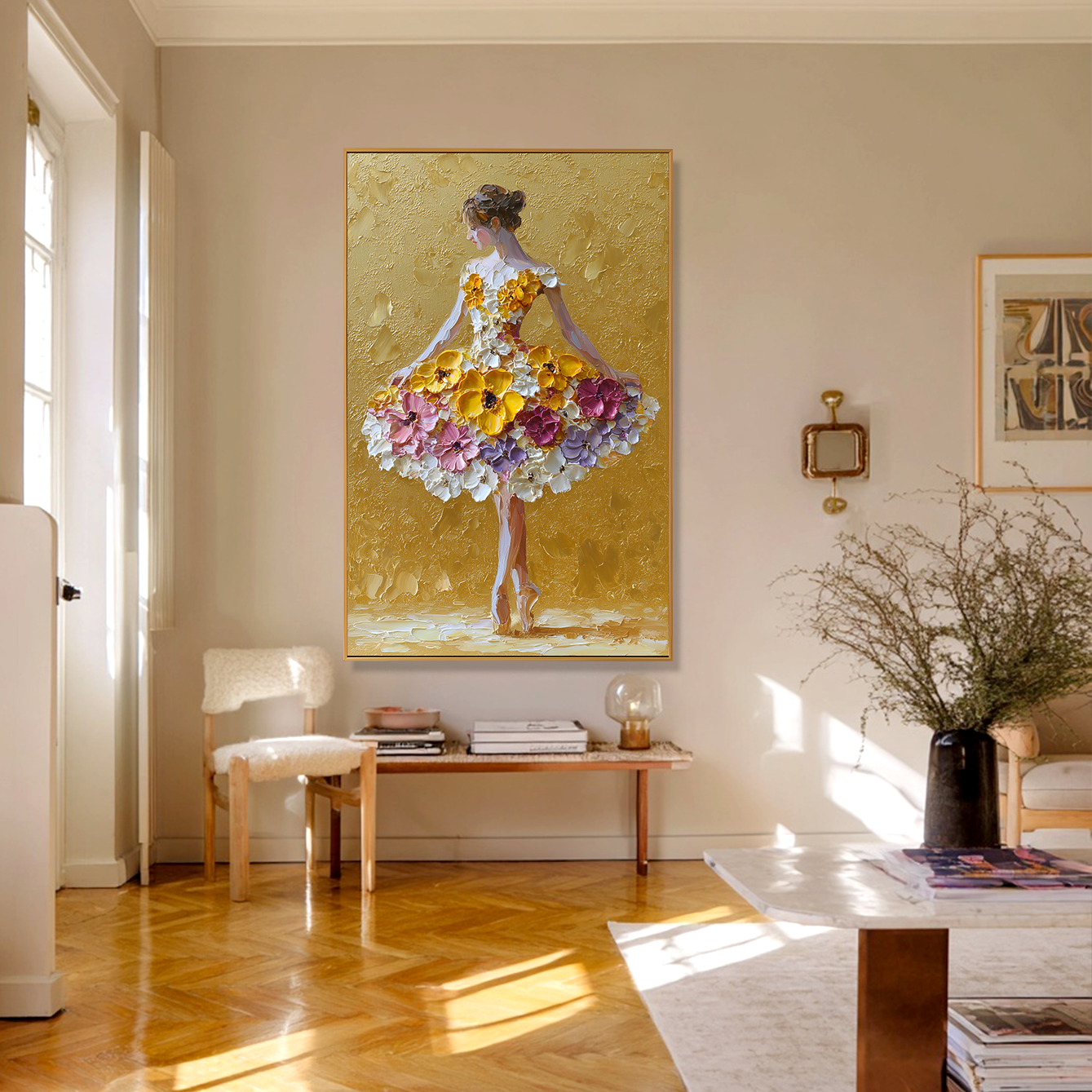
In gallery-driven approaches, such as those explored by artist collectives like Artextured, acoustic panels are treated as compositional elements—layering texture, depth, and sound control into a single surface rather than separating function and decoration.
Placement Strategy That Makes or Breaks Results
Even premium panels fail when placed incorrectly. Streamer setups benefit from targeted placement rather than full-wall coverage.
-
First reflection zones: Place panels to the immediate left and right of your desk at ear height. These are the first bounce points of your voice.
-
Behind the microphone: If your mic faces a wall, that surface should be treated to prevent direct reflection back into the capsule.
-
Behind you (camera view): This area shapes both your sound and your visual identity—ideal for aesthetic panels or acoustic art.
-
Ceiling (optional): In smaller rooms with noticeable echo, a single overhead panel can soften vertical reflections.
A simple example: a streamer with two side panels and one behind the mic often achieves more noticeable clarity than someone covering an entire back wall but ignoring side reflections.
Where Expectations Go Wrong
Acoustic panels improve internal sound behavior, but they are frequently misunderstood.
-
They do not block outside noise. Traffic, neighbors, or household sounds require structural isolation, not wall-mounted panels.
-
One or two panels will not fix a large, empty room. Coverage must match room size and surface hardness.
-
Over-treating a small room can make it sound unnaturally flat, removing the natural liveliness that keeps speech comfortable.
-
Sealing panels with glossy coatings or improper paint can reduce their ability to absorb sound, turning them into decorative reflectors.
The goal is balance: enough absorption to control reflections, but not so much that the room feels acoustically lifeless.
When Acoustic Panels Become Part of the Set Design
For streamers building a recognizable visual brand, acoustic treatment can evolve into a design feature rather than a hidden fix.
This is where art-integrated panels stand apart. Instead of repeating geometric tiles, large-format acoustic artwork introduces:
-
Depth through layered textures.
-
Controlled shadow play under studio lighting.
-
A focal point that anchors the frame visually.
Artextured, for example, developed its acoustic art approach from solving echo issues inside its own gallery space—where visual integrity could not be compromised. That same logic translates well to streaming environments where the wall behind the creator is always in view.
Matching Panel Type to Your Setup
Choosing the right panel depends less on trends and more on how your room behaves.
-
Small bedroom setups: Prioritize 3–5 high-density panels at reflection points.
-
Mid-size streaming rooms: Combine functional side panels with a designed backdrop behind you.
-
Open or minimalist spaces: Use larger-format panels or grouped compositions to cover more reflective area without clutter.
Avoid mixing too many styles. A consistent visual language—whether minimalist, geometric, or art-driven—keeps the space intentional.
Frequently Asked Questions
Do acoustic panels improve microphone quality or just the room sound?They primarily improve the room, but that directly enhances how your microphone captures your voice. Even high-end microphones sound noticeably clearer in a treated space.
Are foam panels enough for streaming setups?They can help slightly, but they often miss the core problem—speech-range reflections. Denser panels provide a more balanced and natural vocal result.
How many panels does a typical streaming room need?Most setups benefit from 3 to 6 well-placed panels. The exact number depends on room size, surface materials, and how controlled you want the sound to feel.
Can acoustic panels double as background decoration?Yes, and increasingly they should. Modular designs and acoustic art panels are often chosen specifically to enhance the camera frame while improving sound.
Will panels stop my voice from being heard outside the room?No. They reduce reflections inside the room but do not significantly block sound transmission through walls or doors.
Final Perspective on Choosing Panels
The most effective streaming rooms are not the most treated—they are the most balanced. Clear audio comes from controlling early reflections with the right materials, while visual cohesion comes from treating those panels as part of the room’s design language. When both are considered together, acoustic panels stop being a technical patch and become part of a deliberately crafted streaming environment.
References