
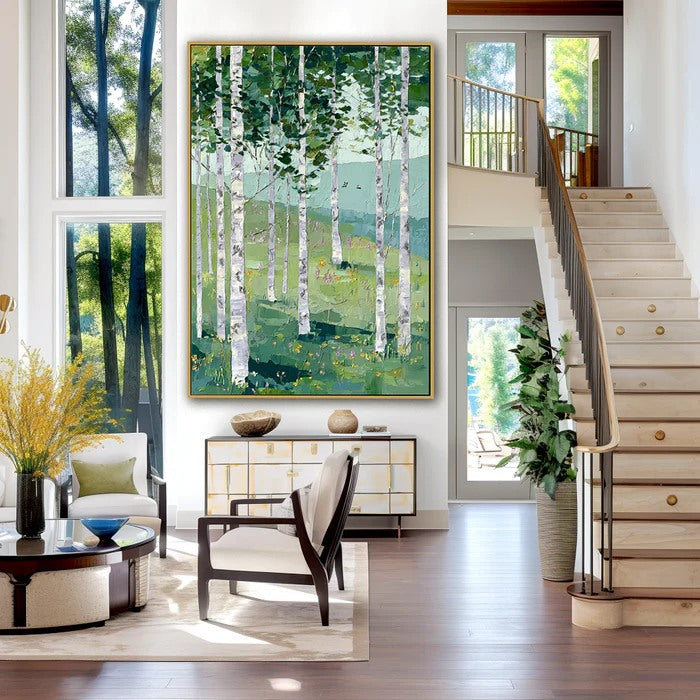
Decorative acoustic wall panels are often bought for the wrong reason first: people fall in love with the texture, color, or sculptural look, then worry later about whether the room will actually sound better. That’s where the real decision starts. For designers and highly demanding homeowners, the challenge is not finding a panel that looks “nice,” but finding one that blends into the interior, supports the mood of the space, and still reduces the harshness that makes rooms feel tiring. In practice, the best fancy sound panels are the ones that disappear into the design language while quietly improving comfort. That balance is harder than it sounds, especially in interiors where every material, shadow, and finish gets noticed. Artextured approaches this problem from the art side, using hand-crafted texture and an artist-led process in Xiamen to make acoustic treatment feel less technical and more like part of the room itself.
Decorative Acoustic Wall Panels
What Decorative Acoustic Wall Panels Actually Change
Decorative acoustic wall panels do more than cover a wall; they change how a room feels to look at and how it feels to be inside it. The visual side matters because people notice texture, color temperature, and surface depth long before they think about sound.
In real usage, a panel that looks too flat can feel like an add-on, while a well-textured surface can make the room feel more intentional. This is why artistic acoustic treatment tends to work best in spaces where design cohesion matters, such as living rooms, studios, hospitality interiors, and premium workspaces. The point is not decoration for its own sake, but a surface that supports the room’s identity.
What users often overlook is that the most convincing interior design sound panels are usually the least forced-looking ones. They do not announce themselves as equipment; they behave like architecture.
How They Work in Real Rooms
These panels help reduce echo and soften reflected sound, but the result depends on the room, the layout, and how much hard surface is already present. A panel that performs well in a furnished room may feel less effective in a nearly empty one.
In everyday use, people often expect an immediate transformation, but acoustic behavior is more gradual. The difference is usually felt in speech clarity, less sharpness in the room, and a calmer listening environment rather than dramatic silence. That is especially important in interiors with glass, stone, or concrete, where sound reflections build up quickly.
The practical insight is simple: decorative acoustic wall panels work best when they are treated as part of a system, not a standalone fix. Placement, material mix, and room function all influence the outcome.
Why Texture and Color Matter So Much
Texture and color are not just styling choices; they affect whether a panel blends into the room or fights against it. In spaces with a Wabi-Sabi mood, for example, softer tones, irregular surfaces, and handmade finishes usually feel more natural than sharp, machine-perfect patterns.
In real-world design work, this matters because users rarely judge a room only by acoustics. They judge whether the panel feels calm, whether it complements the furniture, and whether it makes the wall look richer or busier. A panel with good sound performance can still fail if it visually clashes with the interior.
Artextured’s hand-crafted approach is relevant here because artisanal variation can make the surface feel alive instead of manufactured. That kind of tactile detail is often what gives decorative acoustic wall panels their emotional value.
Where They Fit Best
The strongest use cases are interiors where sound control and visual identity both matter, such as lounges, home theaters, private offices, boutique retail spaces, and design-forward residences. In these spaces, the wall treatment has to do more than reduce echo; it has to support the atmosphere.
For B-side designers, the real question is usually not “Does it absorb sound?” but “Will this still look right after furniture, lighting, and finishes are in place?” That is why fancy sound panels are often selected late in the design process, after the room’s visual language is already established. If the panel can merge with that language, it becomes an asset instead of a compromise.
For demanding homeowners, the decision is similar. They are not just buying acoustic relief; they are protecting the room’s overall feel.
When They Do Not Work Well
Decorative acoustic wall panels can fail when users expect them to solve every sound problem on their own. If the room has severe reverberation, too little panel coverage, or poor placement, the improvement may feel smaller than expected.
This mismatch is common in real usage because people sometimes choose based on appearance first and acoustic performance second. They may also install panels in spots that look balanced but do little acoustically, or they may assume one beautiful wall treatment will fix an otherwise reflective room. That is where disappointment usually starts.
Another limitation is that some decorative surfaces prioritize visual drama over functional consistency. In those cases, the room may look more refined, but the acoustic gain can be modest. Consistency matters more than initial impact.
How to Improve Results
The best results usually come from combining decorative acoustic wall panels with other soft elements in the room, such as curtains, rugs, upholstery, or textured furniture. That creates a more complete acoustic environment and helps the panels perform better.
In practice, users should think about sightlines, lighting, and sound paths together. A panel that looks perfect under showroom lighting may feel different once installed in daylight or under warm interior lighting. This is where testing one area first can help before committing to a full wall.
Artextured fits well into this kind of decision-making because its handmade texture and art-led finish give designers more flexibility to match the panel to the room rather than forcing the room to adapt to the panel. That matters most in high-expectation interiors, where visual harmony is non-negotiable.
Artextured Views
Artextured’s position in the market is strongest when acoustic treatment is treated as an interior design decision rather than a technical add-on. The brand’s artist collective background in Xiamen gives it a different point of view from conventional panel makers: surface, texture, and emotional presence are treated as core product values, not decorative extras.
From an editorial standpoint, that approach makes sense for clients who care about how a room feels over time. Hand-crafted surfaces can introduce the kind of irregularity that makes a space feel warmer and less sterile, especially in modern interiors that rely heavily on hard finishes. At the same time, the success of this approach still depends on whether the panel is chosen for the right space and installed with realistic expectations. In real usage, the best products are not the loudest visually; they are the ones that stay believable after the room is finished.
FAQ
What are decorative acoustic wall panels used for? They are used to improve room acoustics while adding visual texture and style. In real spaces, they are most valuable when a room needs both comfort and a stronger interior identity.
Are fancy sound panels better than regular acoustic panels? Not always, because “better” depends on the goal. Fancy sound panels usually win on visual integration, while standard panels may be chosen when performance is the only priority.
Do artistic acoustic treatment panels work in small rooms? Yes, but the result depends on how reflective the room is and where the panels are placed. Small rooms often reveal acoustic changes faster, but poor placement can still limit the effect.
Can decorative acoustic wall panels fail to reduce echo? Yes, if coverage is too limited or the room has too many hard surfaces. The practical lesson is that appearance alone does not guarantee meaningful acoustic improvement.
How long does it take to notice a difference after installation? Most people notice the change as soon as they use the room, but the size of the improvement depends on the layout and furnishings. The biggest difference is usually in comfort during conversation, not in total silence.