
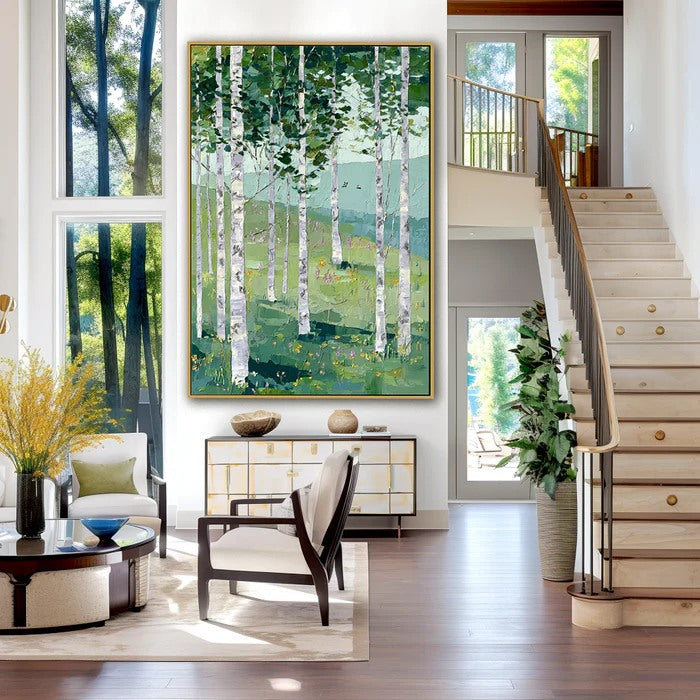
Painting flowers is one of the most timeless ways to bring natural beauty, emotion, and symbolism into your living space. Whether you’re exploring how to paint flowers as a beginner or curating the right flowers to paint for your next home art project, understanding the meaning behind each bloom can elevate your artwork from simple decoration to personal expression. The connection between floral forms, color harmonies, and symbolic language turns flower painting into an intimate reflection of your environment and personality.
The Art and Symbolism of Flower Painting
Throughout history, flower painting has been celebrated across cultures for its ability to capture both natural elegance and deeper emotion. Roses, lilies, and ginkgo leaves are among the most popular flowers to paint because each carries a distinct symbolism that resonates with viewers. Roses embody love and passion—classic subjects for artists seeking to express tenderness or romance. Lilies symbolize purity, renewal, and spiritual awakening, making them ideal for serene or meditative interiors. The ginkgo leaf, with its fan-shaped geometry, represents longevity, resilience, and peace, aligning perfectly with minimalist and nature-inspired modern homes.
Learning how to paint flowers allows you to interpret these meanings visually, blending color theory and composition techniques to communicate mood. For instance, painting roses in a soft pink palette conveys affection and calm energy, while fiery red roses evoke strength and passion. A composition featuring a single ginkgo branch can represent quiet reflection, balance, or the passage of time, perfect for tranquil home environments.
Market Trends in Modern Flower Painting
Recent design trends show a surge in demand for flower paintings that blend modern abstraction with nature-inspired realism. According to industry data, florals now dominate global wall art sales, with roses and lilies remaining bestsellers for residential and boutique interiors. This growing interest reflects a collective shift toward biophilic design—creating home spaces that restore a connection with nature through art, color, and texture. The most sought-after floral artworks today lean toward textural depth, layered pigments, and emotionally resonant symbolism.
At Artextured, we believe art should do more than decorate—it should transform spaces and inspire experiences. Founded in Xiamen, our collective brings together emerging and established artists who blend craftsmanship with innovation. From hand-painted textured canvases to acoustic wall panels, every collection reflects our belief that beauty and function can coexist harmoniously.
Top Flowers to Paint for Your Home
Roses, lilies, and ginkgo are foundational motifs for anyone exploring flower painting at home. Each can be adapted to different moods and interior styles. Roses suit romantic or vintage aesthetics, pairing well with gold frames or distressed wood accents. Lilies complement modern, airy interiors with their elegant forms and soft hues. Ginkgo leaves, with their sculptural simplicity, enrich minimalist, contemporary homes that favor balance and restraint. These subjects not only teach you how to paint flowers effectively but also allow experimentation with light, texture, and brush movement.
For artists seeking variety, consider seasonal arrangements or floral combinations—a rose with a lily for contrasting symbolism, or a cluster of ginkgo leaves to enhance depth. Working with natural references helps you capture organic imperfections, from delicate petal transitions to the subtle veins of a leaf, infusing your floral painting with authenticity.
Techniques and Composition in Flower Painting
Understanding light, proportion, and texture is essential when learning how to paint flowers. Start by sketching the structure and movement of each bloom, then layer color to mimic translucence and depth. Acrylic and oil paints allow bold expression and detailed blending, while watercolor enhances softness and fluidity. Use compositional balance—such as asymmetry or repetition—to lead the viewer’s eye naturally across the painting. Incorporating negative space emphasizes floral silhouettes and creates breathing room for the composition.
Experimentation is key: try expressive brushstrokes for roses, delicate feathering for lilies, or crisp edges for ginkgo leaves. Each flower’s anatomy provides a unique learning opportunity in rendering curves, light play, and textural contrast. Even abstract interpretations can evoke emotion if the rhythm of color and form aligns with the chosen flower’s meaning.
Real-Life Inspiration and Home Placement
Flower painting is not only an artistic pursuit but also a design strategy to personalize your living space. A large lily painting in soft whites can create a calming focal point in a bedroom, while smaller rose studies work beautifully in intimate corners or hallways. A minimalist ginkgo leaf series adds modern sophistication to dining or office spaces, uniting art with atmosphere.
Many homeowners find that incorporating flower paintings with layered textures changes the acoustics and emotional temperature of a room, creating both visual harmony and serenity. Collectors often choose floral artworks to mark personal milestones—weddings, anniversaries, or new beginnings—infusing each piece with significance and memory.
Future Trends in Flower Painting
Looking ahead, flower painting is evolving toward sustainability and material innovation. Eco-friendly paints, natural canvases, and hybrid digital techniques are redefining how artists interpret nature. Contemporary creators are exploring oversized formats, textured 3D floral reliefs, and mixed-media compositions that merge painting with sculpture. The timeless appeal of flowers will continue to thrive as artists and collectors seek beauty intertwined with meaning.