
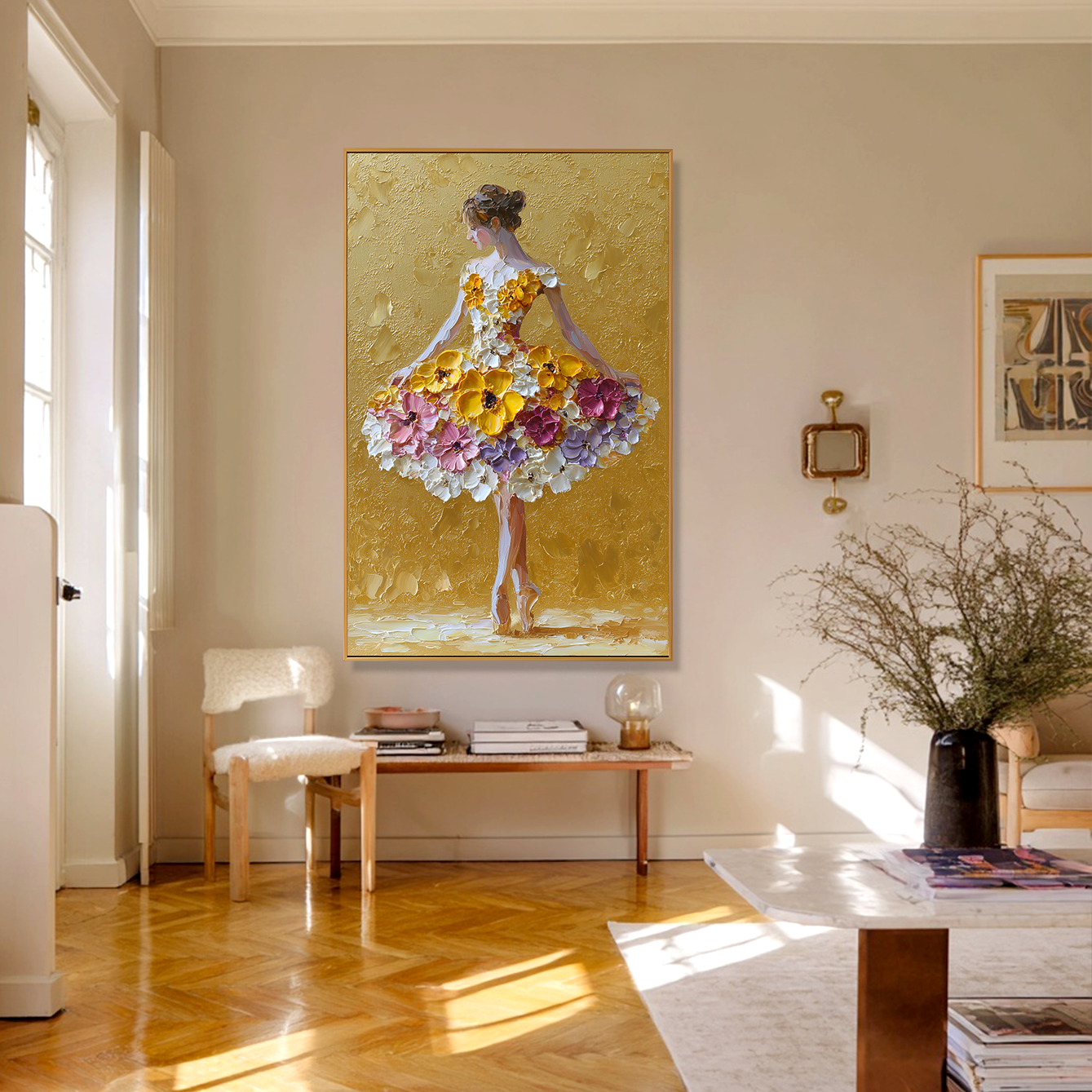
Modern abstract paintings are reshaping the way architects, interior designers, and homeowners envision their environments. No longer confined to gallery walls, these expressive artworks are becoming integral design anchors that set the tone for modern living spaces. As consumers prioritize personalization, texture, and emotional resonance, contemporary abstract art has evolved from decorative background to central design narrative—blurring the lines between art, architecture, and lifestyle.
Emerging Market Trends in Modern Abstract Art
The global decorative art market continues to rise, with interior-centered art gaining notable traction. According to data from Statista, sales of modern abstract wall art for residential and commercial environments have surged over 25% year-over-year since 2022. This growth accelerated during the wellness-driven design movement, where people began viewing home décor as a reflection of inner calm and identity. In 2026, art collectors and interior stylists are prioritizing abstract compositions that evoke texture, balance, and emotion—qualities essential to psychological comfort and visual harmony.
How Abstract Art Shapes Space and Perception
Modern abstract paintings influence more than color harmony—they redefine spatial perception and mood. Large-scale geometric canvases expand a room’s visual dimension, while minimalist tactile surfaces evoke serenity and focus. Architects now integrate abstract murals into open-plan apartments and corporate offices to bridge architectural zones, enhance flow, and amplify natural light. The simplicity of form and fluid color gradients also create focal balance, grounding expansive interiors in visual unity. In luxury design, abstract art serves as an emotional compass, balancing energetic urban aesthetics with soft organic movement.
Where Art Meets Technology and Material Innovation
Today’s abstract artists are embracing hybrid techniques that merge fine art, sustainability, and design technology. From pigment-infused acoustic fabrics to responsive digital canvases, innovation has become the new aesthetic standard. At Artextured, we believe art should do more than decorate—it should transform spaces and inspire experiences. Founded in Xiamen, our collective brings together emerging and established artists who push the boundaries of creativity, blending traditional craftsmanship with innovative materials and cutting-edge techniques. Our journey into acoustic art began with a simple challenge: how to reduce ambient noise in our urban gallery. This led to the creation of our signature art-infused soundproof panels, merging aesthetic beauty with functional design. Today, our exclusive acoustic wall art collection exemplifies this philosophy, offering pieces that delight both the eyes and the ears.
Functional Art and Sustainable Design Integration
Eco-conscious design now drives the future of interior spaces. Sustainable materials such as reclaimed wood frames, non-toxic pigments, and energy-efficient mounting systems are becoming essential in art production and display. Abstract paintings composed with biodegradable mediums or textured using recycled stone flakes complement the sustainable architecture movement, fostering physical and psychological well-being. Interior designers are pairing abstract art with natural textiles and neutral color palettes to create emotionally cohesive biophilic environments.
Top Modern Abstract Wall Art Types and Their Impact
Abstract textured canvases, impasto acrylic works, mixed-media geometric forms, and minimalist monochrome gradients dominate today’s high-end interiors. Textured abstracts add tactility and depth, ideal for modern lofts or boutique offices. Geometric abstractions establish rhythm and structure in open-plan layouts, while color field paintings foster calm in bedrooms and lounges. By aligning art style with architectural intention, modern abstract wall art becomes the bridge between personality and structure.
Real User Cases and Proven ROI
Hotels, co-working spaces, and healthcare facilities report measurable emotional and acoustic benefits from large-format abstract pieces. Studies in environmental psychology suggest that emotionally positive art—especially abstract compositions with layered color gradients—can reduce stress responses and boost cognitive focus. Commercial developers incorporating such works into lobbies and wellness zones have seen increased client satisfaction and extended dwell time by up to 40%. Residential buyers increasingly prioritize curated art installations as part of market-ready interior packages, directly influencing real estate value per square foot.
Comparing Traditional and Modern Abstract Integration
| Design Approach | Core Purpose | Spatial Impact | Common Applications | Overall ROI Potential |
|---|---|---|---|---|
| Traditional Decorative Painting | Visual embellishment | Static focal point | Classic interiors | Medium |
| Modern Abstract Wall Art | Spatial enhancement and mood modulation | Dynamic interaction with light and texture | Contemporary homes, offices, galleries | High |
This shift demonstrates the functional transition of art from aesthetic ornament to design infrastructure.
The Psychological Influence of Color and Form
Color psychology plays a key role in how abstract paintings transform rooms. Soft neutral abstracts enhance mindfulness in retreats and spas, vibrant multi-hued artworks energize restaurants and creative studios, while black-and-white forms anchor minimalist spaces. Interior curators often select abstract pieces based on desired mood outcomes rather than style category alone. The freedom of abstraction allows every viewer to project their own meaning, ensuring timelessness and adaptability.
Future Trends: The Intersection of Art, AI, and Architecture
Looking ahead, the integration of artificial intelligence, immersive display systems, and modular architecture will redefine the relationship between art and environment. AI-driven art generation tools are enabling custom adaptive wall pieces that shift tones or textures based on natural light or occupant mood. Interior ecosystems are evolving toward “living walls” infused with dynamic digital abstraction—turning homes and workplaces into responsive art-driven organisms. The future of interior design belongs to spaces that communicate emotion, adapt organically, and center creativity as functional design.
The Transformative Potential
Modern abstract paintings are no longer just visual statements—they are tactile, emotional, and spatial instruments of transformation. They merge art with purpose, design with well-being, and materials with technology. As interior spaces evolve to reflect human experience and sustainability, modern abstraction continues to shape the harmony between innovation and identity. Its future lies not on the wall but within the very blueprint of how we live, work, and feel.