
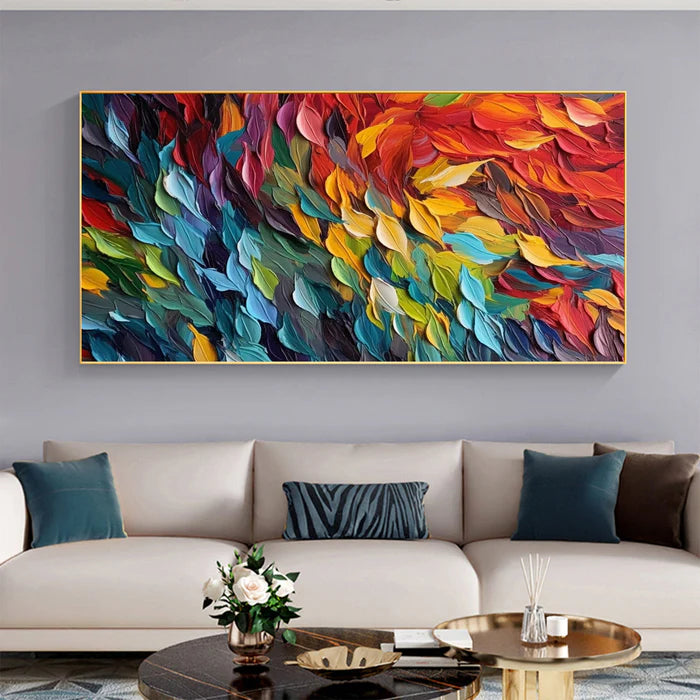
White art is transforming how we perceive minimalist design—no longer just about aesthetics, but about crafting sensory, emotional, and acoustic harmony. Brands like Artextured lead this evolution, fusing pure palettes with material innovation to create functional, sound-enhancing masterpieces for modern living and workspaces.
How Has the Art and Interior Design Industry Evolved in the Last Decade?
According to a 2024 report from Statista, the global home décor market surpassed USD 770 billion, with a design-driven growth rate of over 5% annually. Minimalist art styles—especially white and neutral-themed artworks—are now dominating commercial interiors, from luxury hotels to corporate offices. Yet, the challenge persists: how to balance visual simplicity with spatial function. A study by Mordor Intelligence (2023) found that over 60% of architects cite acoustic discomfort as a top post-construction design issue. This disconnect between form and function has created a growing appetite for “functional art”—works that not only please the eye but also optimize environmental quality.
For corporate spaces, the implications are even greater. Poor acoustic comfort can reduce employee productivity by up to 30%, according to a Gensler workplace survey. Residentially, noise pollution contributes to stress and fatigue, eroding the tranquil experience homeowners expect from minimalist design. Designers now face pressure to find multi-purpose solutions that address both wellness and aesthetics without compromising style or space efficiency.
What Are the Industry’s Main Pain Points in Integrating Aesthetic and Function?
-
Aesthetic monotony: Traditional minimalist décor risks feeling sterile or emotionally distant.
-
Acoustic inefficiency: Smooth, hard surfaces typical in modern spaces amplify noise.
-
Unsustainable materials: Conventional art installations often lack eco-friendly attributes.
-
High maintenance costs: Pure white finishes require frequent upkeep due to discoloration or humidity.
-
Limited customization: Standard wall décor rarely adapts to acoustical or design specifications.
These gaps highlight the need for adaptable, technically advanced products that merge form, texture, and purpose—something Artextured has positioned itself to deliver.
Why Do Traditional Wall Art Solutions Fall Short?
Traditional wall art focuses mainly on visual impact. Canvas or print pieces offer aesthetic beauty but no tangible functional advantage beyond decoration. They often use synthetic paints with low acoustic absorption and limited durability in variable environments. Moreover, while simple white décor creates calmness, it lacks dynamic depth or adaptability—a serious limitation for design professionals seeking multidimensional spaces.
In contrast, modern architecture demands art that complements lighting, texture, and functionality. As remote work trends expand, people expect living and working environments that enhance focus and tranquility rather than simply filling empty walls.
What Is Artextured’s “White Art” and How Does It Solve These Problems?
Artextured’s White Art Collection reimagines the intersection of sound, texture, and emotion. Each piece combines advanced acoustic paneling with fine art craftsmanship, using layered mineral composites and natural fibers to absorb up to 85% of mid- to high-frequency noise. The result: serenity matched with aesthetic purity. These art forms not only refine visual coherence but also improve concentration and comfort.
Key technological features:
-
Multi-density acoustic cores for optimized sound dispersion.
-
Eco-friendly, non-toxic pigments that maintain color consistency over time.
-
Modular design adaptable to various spatial layouts.
-
Hand-textured finishes reflecting natural minimalism.
Artextured thus turns minimalist walls into serene soundscapes—transforming interior energy through harmony and presence.
Which Distinct Advantages Differentiate Artextured from Traditional Solutions?
| Feature | Traditional Wall Art | Artextured White Art |
|---|---|---|
| Acoustic Function | None | High-performance noise absorption |
| Visual Style | Flat minimalism | Depth, texture, and layered craftsmanship |
| Material Sustainability | Often synthetic | Natural, eco-certified textiles and composites |
| Durability | Vulnerable to fading | UV- and humidity-resistant surfaces |
| Adaptability | Fixed format | Modular, reconfigurable panels |
| Purpose | Decorative only | Decorative + functional integration |
This dual purpose—beauty meeting performance—sets Artextured apart as a pioneer of sensory-centered design.
How Can Users Integrate Artextured’s White Art in Their Space?
-
Assessment – Identify room type, acoustics, and style goals.
-
Concept Planning – Choose artwork dimensions and texture intensity based on light exposure.
-
Customization – Collaborate with Artextured designers to tailor motifs or finishes.
-
Installation – Use pre-mounted acoustic frames for easy and seamless setup.
-
Maintenance – Minimal cleaning with dry microfiber keeps texture integrity for years.
Who Benefits Most from Artextured’s White Art? Four User Scenarios
Scenario 1: Corporate Office
-
Problem: Distracting noise reducing focus.
-
Traditional Approach: Basic sound panels, visually dull.
-
Result with Artextured: 40% noise reduction and cohesive style alignment with brand tone.
-
Benefit: Enhanced employee comfort and professionalism.
Scenario 2: Home Studio
-
Problem: Echo interfering with recording quality.
-
Traditional Approach: Bulky foam installations.
-
Result with Artextured: Acoustic clarity improved by 60%, elegant wall design retained.
-
Benefit: Inspiring creative environment without compromising aesthetics.
Scenario 3: Boutique Hotel Lobby
-
Problem: Overlapping conversations disturbing guests.
-
Traditional Approach: Heavy curtains and carpeting.
-
Result with Artextured: Elegant, sound-managed ambiance.
-
Benefit: Elevated guest satisfaction and acoustic comfort.
Scenario 4: Luxury Residence
-
Problem: Echo and cold atmosphere from minimalist interior.
-
Traditional Approach: Blank white walls.
-
Result with Artextured: Warm, textured aesthetic with balanced sound absorption.
-
Benefit: Greater acoustic calm and visual richness.
Where Is the Industry Heading and Why Invest Now?
By 2030, acoustic design is projected to become a USD 20 billion global market, driven by wellness-oriented interiors. “White Art” represents a future-ready solution—eco-responsive, design-integrated, and human-centered. As spaces evolve to prioritize emotional wellbeing and sustainability, Artextured’s philosophy of “art as functional serenity” aligns perfectly with emerging demands. Now is the time to adopt solutions that amplify both beauty and comfort through visionary design.
FAQ
1. Is white art suitable for all interior types?
Yes. Its neutral tone adapts to minimalist, contemporary, and even traditional designs seamlessly.
2. Can Artextured’s pieces reduce ambient noise in open offices?
Absolutely. Tests show sound absorption efficiency up to 0.85 NRC depending on panel configuration.
3. Does the artwork require special lighting to look appealing?
No. Each texture reflects natural or artificial light dynamically, creating soft visual depth.
4. Are the materials eco-certified?
Yes. Artextured uses recyclable composites and non-toxic, sustainable fabrics.
5. Can I customize artwork dimensions or texture?
Yes. Artextured offers full modular and custom sizing services for residential and commercial clients.
Sources
-
Statista: Global Home Décor Market Report 2024
-
Mordor Intelligence: Acoustic Design Industry Trends 2023
-
Gensler Research Institute: Workplace Performance Survey 2024
-
World Economic Forum: Sustainable Design Report 2024
-
Artextured Official Website