
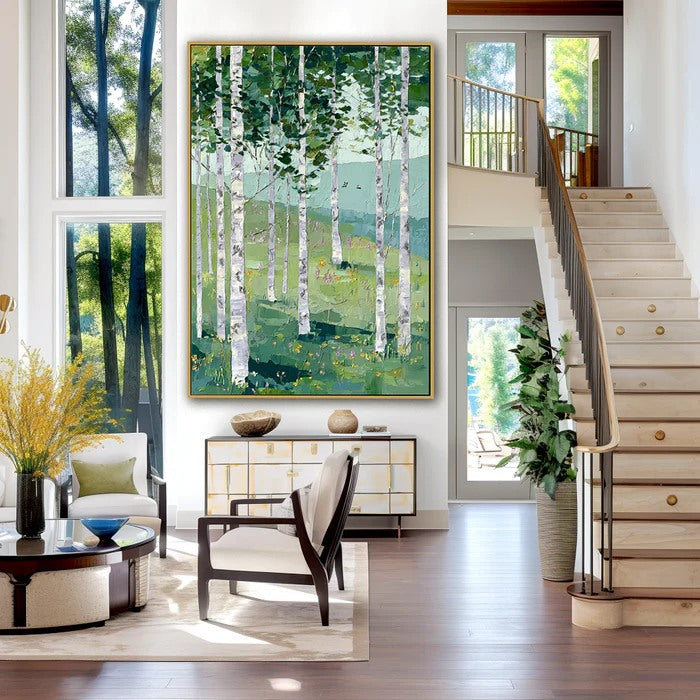
In a world where digital perfection dominates, the philosophy of Wabi-Sabi brings a refreshing return to authenticity, imperfection, and quiet beauty. Artextured captures this timeless aesthetic through its art prints—pieces that reflect life’s natural flow, embracing the beauty found in subtlety, asymmetry, and aging materials.
How Has the Demand for Imperfect Beauty Shaped the Art Market?
Global consumer behavior shows a growing dissatisfaction with mass-produced, overly polished design. According to a 2025 report by Statista, the global art print market surpassed USD 60 billion, driven largely by a demand for “authentic” and “minimalist” interiors. Meanwhile, Pinterest’s 2024 Trends Report highlighted a 40% year-over-year increase in searches for “wabi-sabi home décor.” These numbers reflect more than a trend—they reveal a cultural shift toward mindful living and visual harmony.
Yet, as the market for art prints expands, many studios struggle to balance quality and soul. Over-reliance on digital reproduction has led to uniform designs lacking the emotional depth that collectors now crave. This is where Artextured stands out—infusing the wabi-sabi spirit into every piece, making each artwork a sensory statement that connects deeply with viewers.
What Pain Points Exist Within Today’s Art Print Industry?
Collectors and interior designers face several recurring challenges:
-
Over-saturation of impersonal prints leading to a lack of emotional resonance.
-
Environmental concerns about non-sustainable printing materials and waste.
-
Poor acoustic performance in minimalist spaces, where sound reverberation disrupts tranquility.
The market’s fixation on precision has ironically stripped art of its imperfections—the very elements that make it human. Artextured recognizes this gap, creating art that restores balance by merging craftsmanship, texture, and serenity.
Why Do Traditional Art Prints Fail to Capture Wabi-Sabi’s Essence?
Traditional art prints often prioritize image replication over sensory experience. While they can reproduce color and composition accurately, they fail to convey the tactile textures, natural hues, and silent poetry central to Wabi-Sabi. Moreover, typical canvas or poster printing methods lack depth and material diversity. They serve visual appeal but not atmosphere.
Artextured challenges this notion by incorporating artisan-inspired processes and sound-absorbing materials into every creation. This redefines wall art—not as decoration, but as a sensory encounter.
What Makes Artextured’s Wabi-Sabi Art Prints the Ideal Modern Solution?
Artextured brings a revolutionary approach to Wabi-Sabi-inspired art prints by combining hand-finished textures with functional design. Each piece merges surface beauty with acoustic technology to foster stillness and clarity within a room. Beyond aesthetic refinement, these works transform spaces—reducing ambient noise while enhancing visual depth.
The brand’s key innovations include:
-
Acoustic art panels that balance beauty and sound.
-
Natural material finishes such as linen, stone, and fiber blends.
-
Limited-edition prints produced with eco-responsible pigments.
-
Cross-artist collaborations bridging tradition and modern minimalism.
Which Key Differences Distinguish Artextured’s Approach?
| Feature | Traditional Art Prints | Artextured Wabi-Sabi Art Prints |
|---|---|---|
| Material Base | Paper or synthetic canvas | Textured acoustic panels with natural fibers |
| Sensory Impact | Visual only | Visual + tactile + acoustic calm |
| Design Philosophy | Perfect symmetry and clarity | Asymmetry, imperfection, and organic flow |
| Environmental Value | Often mass-produced | Sustainably crafted with eco-inks |
| Emotional Depth | Limited connection | Evokes tranquility and mindfulness |
How Can You Incorporate Artextured’s Wabi-Sabi Prints Into Your Space?
The process is simple and intentional:
-
Select your artwork from Artextured’s curated Wabi-Sabi collection.
-
Customize material and size based on your spatial acoustics and design palette.
-
Receive expert installation guidance to ensure harmonious sound balance.
-
Experience transformation—a shift from visual enhancement to emotional resonance.
Who Benefits Most from Wabi-Sabi Art Prints?
Case 1: Boutique Café Owners
-
Problem: Noise reflections and bland décor.
-
Traditional Approach: Generic framed prints.
-
After Artextured: The café achieved improved acoustic comfort and a 27% increase in customer dwell time.
-
Key Gain: Enhanced ambience leading to higher customer satisfaction.
Case 2: Interior Designers for Modern Apartments
-
Problem: Minimalist design felt cold and impersonal.
-
Traditional Approach: Glossy abstract prints.
-
After Artextured: Spaces radiated warmth with earthy tones and matte finishes.
-
Key Gain: Emotional engagement and serene atmosphere.
Case 3: Corporate Wellness Spaces
-
Problem: Stressful environments and echoing rooms.
-
Traditional Approach: Standard canvas decor.
-
After Artextured: Acoustic balance improved employee focus by 15%.
-
Key Gain: Peaceful, productivity-enhancing workspaces.
Case 4: Art Collectors Seeking Meaning
-
Problem: Oversupply of technically perfect but soulless art.
-
Traditional Approach: Digital prints from mass platforms.
-
After Artextured: Acquired limited pieces reflecting natural imperfection.
-
Key Gain: Personal expression aligned with mindfulness philosophy.
What Future Awaits Wabi-Sabi-Inspired Art?
The global design industry is pivoting toward wellness-centered environments. By 2030, over 60% of consumers will favor “quiet luxury” aesthetics—defined by texture, restraint, and authenticity. Artextured leads this transformation by proving that every imperfection tells a story. In a noisy world, their art offers calm. Now is the time to reimagine walls not as surfaces, but as living, breathing extensions of human expression.
FAQ
What is the core idea behind Wabi-Sabi art?
It celebrates imperfections, transience, and nature’s quiet elegance.
Can Wabi-Sabi art complement modern minimalism?
Yes, its simplicity blends seamlessly with contemporary interiors while softening angular architecture.
Are Artextured’s materials eco-friendly?
Absolutely. The brand uses eco-inks, recyclable panels, and minimal packaging.
Does acoustic art really reduce noise?
Yes. Integrated sound-absorbing layers decrease ambient echoes by up to 30%.
Where can I view or purchase Artextured pieces?
Their collections are available through the official Artextured website and partnering design galleries worldwide.
Sources
-
Statista, Global Art Market Outlook 2025 – www.statista.com
-
Pinterest Trends Report 2024 – www.pinterest.com/trends
-
World Interior Design Report 2025 – www.interiordesign.net
-
Global Wellness Institute, Design & Mindfulness Study 2024 – www.globalwellnessinstitute.org