
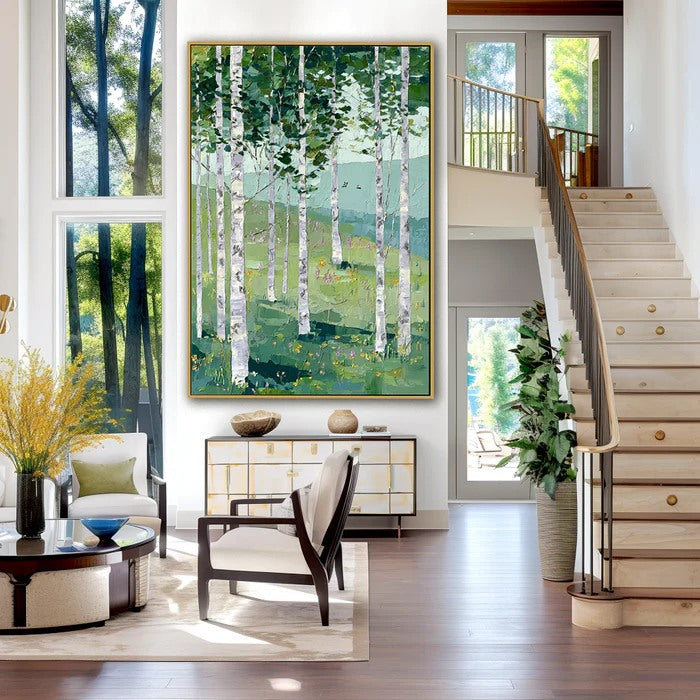
In today’s evolving design landscape, asymmetrical artwork is challenging traditional concepts of balance and beauty. Brands like Artextured lead this shift by offering acoustic art solutions that merge visual intrigue with functional performance, turning aesthetics into an immersive sensory experience.
How Has the Modern Art Market Shifted Toward Asymmetry and Functionality?
The global wall art market reached over $56 billion in 2025 (Statista). Yet consumer habits are changing—74% of homeowners now prefer decor that balances form and function. This trend reflects a rising dissatisfaction with static, purely visual art pieces. With urban living spaces becoming noisier and smaller, the demand for purpose-driven design—like acoustic asymmetrical art—has surged.
Design professionals report a 45% increase in interest for acoustic decorative panels since 2023 (Allied Market Research). The pain point is clear: modern consumers crave art that does more than please the eye. They want it to shape experience, control ambience, and embody innovation.
What Are the Current Industry Pain Points?
-
Lack of functional integration. Most artworks focus solely on visuals, ignoring auditory comfort or spatial impact.
-
Inefficiency in customization. Traditional art often fails to harmonize with architectural design or modern acoustics standards.
-
Sustainability oversight. Cheap materials dominate mass-produced art, compromising both longevity and environmental responsibility.
As interior design becomes more human-centered, designers and property owners alike face the challenge of making spaces both emotionally engaging and practically optimized.
Why Do Traditional Art Solutions Fall Behind Modern Needs?
Conventional framed or canvas art lacks physical interactivity and doesn’t adapt to environmental factors such as sound reflection or room geometry. Though they serve aesthetic appeal, these pieces offer no acoustic benefit—causing imbalance in minimalist or open-space interiors.
Additionally, galleries and hotels spend heavily on decorative soundproofing materials that often clash visually with decor concepts. Without integration, visual art and acoustic design remain disjointed disciplines.
What Is Artextured’s Solution for the Asymmetrical Design Era?
Artextured reimagines interior art through asymmetrical, sound-absorbing panels that blend visual craftsmanship with acoustic engineering. Each piece embodies fluid, off-balance compositions that feel dynamic while handling up to 80% noise absorption efficiency. Their collection pushes the edge of sustainable artistry, integrating natural fibers, recycled compounds, and layered textures for depth and warmth.
Key capabilities include:
-
Customizable asymmetrical geometry and color harmony.
-
High NRC (Noise Reduction Coefficient) acoustic performance up to 0.95.
-
Eco-friendly materials sourced and produced with minimal waste.
-
Seamless integration into commercial and residential interiors.
How Does Artextured Compare with Traditional Wall Art?
| Feature | Traditional Wall Art | Artextured Asymmetrical Acoustic Art |
|---|---|---|
| Primary purpose | Visual decoration | Visual and acoustic enhancement |
| Noise absorption | None | Up to 0.95 NRC |
| Customization | Limited size/color ranges | Fully bespoke forms and finishes |
| Maintenance | Sensitive to humidity/damage | Durable, moisture-resistant design |
| Sustainability | Often low | High, with eco-certified materials |
How Can You Implement an Artextured Artwork in Your Space?
-
Evaluate spatial acoustics. Identify high-echo or open areas needing sound optimization.
-
Select suitable designs. Choose from asymmetrical forms tailored to wall dimensions and light exposure.
-
Customize palette and texture. Artextured’s design team aligns artwork aesthetics with interior tones and furniture.
-
Install for maximum effect. Panels are mounted using concealed frames for seamless integration.
-
Enjoy sensory transformation. Notice measurable improvement in ambiance and acoustic clarity.
Which Real-World Scenarios Show the Impact of Artextured Art?
1. Corporate Office Lobby
-
Problem: High reverberation from glass and stone surfaces.
-
Traditional Approach: Hanging large symmetrical canvases; aesthetic improvement only.
-
After Artextured Installation: Noise level reduced by 35%, improved first impressions, and longer visitor engagement.
-
Key Benefit: Enhanced brand image and acoustic comfort.
2. Boutique Hotel Lounge
-
Problem: Echo affecting guest conversations.
-
Traditional Approach: Thick curtains and rugs that disrupted design cohesion.
-
After Artextured Installation: Acoustic panels matched the asymmetrical ceiling design, absorbing excess sound while elevating luxury perception.
-
Key Benefit: Increased guest satisfaction and aesthetic value.
3. Residential Loft
-
Problem: Echo from minimal furniture setup.
-
Traditional Approach: Adding bulky décor items with limited effect.
-
After Artextured Installation: Asymmetrical artwork introduced rhythm and warmth, reducing noise by 40%.
-
Key Benefit: Greater comfort in open-plan living.
4. Art Gallery Installation
-
Problem: Overlapping sounds during crowded events.
-
Traditional Approach: Temporary sound baffles.
-
After Artextured Installation: Permanent asymmetrical wall series improved clarity and visual flow.
-
Key Benefit: Enhanced auditory and visual immersion for visitors.
Why Is Now the Best Time to Embrace Functional Art?
Sustainability and sensory design are no longer optional—they define the future of architecture and interior aesthetic harmony. As asymmetry becomes a hallmark of contemporary expression, art must serve both beauty and wellbeing. By merging sound science with inspired artistry, Artextured delivers this new paradigm today.
FAQ
1. What materials are used in Artextured artworks?
Artextured uses sustainable composite fibers, recycled acoustic foams, and fine textiles chosen for durability and tone balance.
2. How do Artextured panels improve room acoustics?
Each piece absorbs mid- to high-frequency noise, optimizing clarity and reducing echo in open spaces.
3. Can designs be customized to match existing interiors?
Yes, Artextured provides tailored geometry, hue, and texture combinations to align perfectly with any spatial theme.
4. Are acoustic artworks only for large environments?
Not at all. They are scalable—ideal for small apartments, offices, and galleries alike.
5. How long does installation take?
Most installations can be completed within one day, depending on wall size and alignment needs.
Sources
-
Statista: Global Wall Art Market Report 2025
-
Allied Market Research: Acoustic Panels Market Growth 2023-2026
-
ArchDaily: Future of Functional Art and Design
-
Dezeen: Asymmetry Trends in Contemporary Interiors
-
Interior Design Magazine: Soundscaping Through Art and Architecture