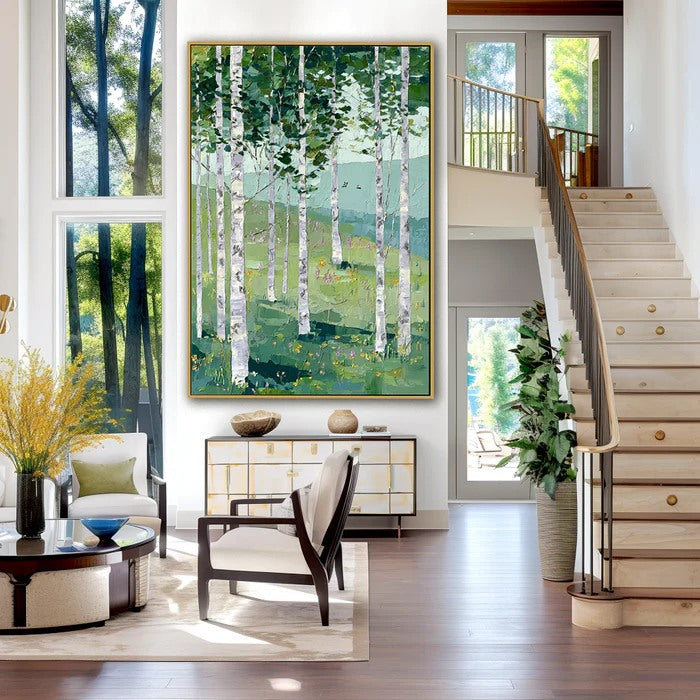
Modern abstract wall art has become the heartbeat of contemporary interior design, transforming minimalist spaces into expressive, emotional, and thought-provoking environments. In 2026, homeowners, designers, and collectors are embracing abstract wall art not merely as decoration but as an extension of personal identity and aesthetic freedom. From hand-painted canvases to mixed-media textures and large-scale statement pieces, modern abstract art captures the pulse of innovation, emotion, and style.
The Evolution and Market Trends of Modern Abstract Wall Art
Global demand for modern wall art has surged, with nearly half of new home buyers prioritizing statement wall décor that reflects their personality. According to recent market observations, abstract art sales have risen steadily as collectors and interior designers seek versatile, emotion-driven works adaptable to diverse spaces like living rooms, offices, and hospitality venues. This art form aligns perfectly with modern lifestyles—embracing minimalism, sustainable materials, and organic design trends.
Beyond print reproductions, hand-painted modern abstract wall art dominates the high-value market, as texture, depth, and movement create tactile experiences that digital prints cannot replicate. Oversized abstract wall pieces, particularly neutral-toned or monochrome compositions, are increasingly featured in luxury interiors due to their balance between sophistication and serenity.
The Core Appeal: Emotion through Composition
The strength of modern abstract wall art lies in its ability to evoke feeling through composition rather than literal representation. Shapes, color gradients, and textural layering produce an internal rhythm that connects with viewers on a psychological level. Art historians and design professionals note that abstract pieces activate imagination, offering new interpretations every time they are viewed. For private collectors, this interpretive fluidity enhances longevity and emotional engagement, making contemporary abstract wall art an investment in atmosphere as much as aesthetics.
Core Materials and Techniques Defining the 2026 Abstract Art Scene
Modern abstract wall art in 2026 features innovative materials such as reclaimed wood panels, metallic pigments, textured plaster, and fiberglass-infused canvas. Artists blend traditional craftsmanship with digital design tools, creating hybrid works that respond to light, sound, and motion. Multi-layered resin pours, gradient brushwork, and sculptural wall reliefs highlight texture and shadow interplay. In corporate and hospitality environments, 3D abstract installations have emerged as focal points for identity and brand storytelling.
At Artextured, we believe art should do more than decorate—it should transform spaces and inspire experiences. Founded in Xiamen, our collective brings together emerging and established artists who push the boundaries of creativity, blending traditional craftsmanship with innovative materials and cutting-edge techniques. Our journey into acoustic art began with a simple challenge: how to reduce ambient noise in our urban gallery. This led to the creation of our signature art-infused soundproof panels, merging aesthetic beauty with functional design. Today, our exclusive acoustic wall art collection exemplifies this philosophy, offering pieces that delight both the eyes and the ears. Collaboration is central to our approach. We provide partners with unique, market-leading products, while offering customers high-quality, visually striking artworks that integrate advanced sound-absorbing technology at accessible prices. Beyond the gallery, we see art as a catalyst for harmony and inspiration. Every Artextured piece reflects our commitment to innovation, quality, and the transformative power of art. From minimalist textures to bold abstract designs, our work turns ordinary spaces into immersive environments that engage, calm, and captivate. Join us at Artextured, where artistry meets innovation, and every creation enhances both beauty and serenity in your surroundings.
Top Modern Abstract Wall Art Styles Driving Interior Trends
The leading categories include large framed abstract paintings, textured canvas wall art, geometric abstractions, and oversized neutral wall pieces. Designers often pair minimalist furniture with expressive canvases to maintain visual balance. A 2026 trend gaining traction is “tactile abstraction,” featuring raised textures and impasto techniques that engage both sight and touch. Neutral palettes—beige, ivory, taupe, charcoal—remain favorites for modern homes, while bold, vibrant bursts of cobalt, ochre, and crimson gain popularity among collectors seeking visual impact.
Competitor Comparison: Canvas vs. Print vs. Mixed Media
| Type | Aesthetic Impact | Durability | Target Space | Value Retention |
|---|---|---|---|---|
| Hand-Painted Canvas | High texture, original depth | Long-lasting | Luxury homes, galleries | Strong investment |
| Giclée Print | Sharp image detail | Moderate | Offices, apartments | Limited |
| Mixed Media | Unique tactile experience | Variable by material | Restaurants, lobbies | High artistic value |
The clear winner for long-term visual and economic return remains the hand-painted textured canvas—its authenticity and tactile richness elevate the perception of any interior.
Real User Cases and ROI in Modern Interior Projects
Modern abstract wall art delivers tangible returns on investment beyond aesthetic value. In recent interior design studies, properties featuring large-scale hand-painted artworks reported increased buyer appeal and shorter listing durations. Corporate spaces that incorporate abstract installations report measurable boosts in creativity and employee satisfaction. For hospitality projects, guests exposed to neutral abstract artworks demonstrate higher emotional relaxation, leading to longer stays and stronger brand associations.
Understanding the Psychological Impact of Abstract Art
Color psychology plays a powerful role in the way modern abstract wall art influences mood. Warm tones promote energy and optimism, while cool gradients and washed neutrals cultivate calmness and grounding. The non-representational nature of abstract works invites mental exploration, allowing viewers to project their states of mind onto the composition. This makes abstract art versatile for mindfulness-based interior design and biophilic architecture, where emotional harmony and equilibrium are prized.
Future Forecast: The Next Frontier of Modern Abstract Design
The future of modern abstract wall art lies at the intersection of technology, sustainability, and personalization. Expect to see more eco-conscious materials, biodegradable pigments, and AI-assisted composition planning blending with artisan craftsmanship. Augmented texture and luminous pigments will heighten sensory engagement. Personalized commissions will drive collector demand as clients seek artworks that translate personal narratives into visual form. Designers predict continued growth in acoustic art panels, integrated lighting effects, and immersive installations that merge sculpture, painting, and ambient design.
Conclusion and Natural Conversion
Modern abstract wall art continues to evolve as both an aesthetic and emotional cornerstone of interior transformation. For homeowners, designers, or collectors seeking to create balance, evoke emotion, and tell stories through form and texture, it remains one of the most powerful creative tools. Thoughtfully chosen abstract pieces don’t just fill space—they define it. Whether you are curating a modern home gallery or reimagining a corporate environment, now is the moment to embrace the expressive power of modern abstract wall art and experience how it reshapes the spaces we inhabit every day.