
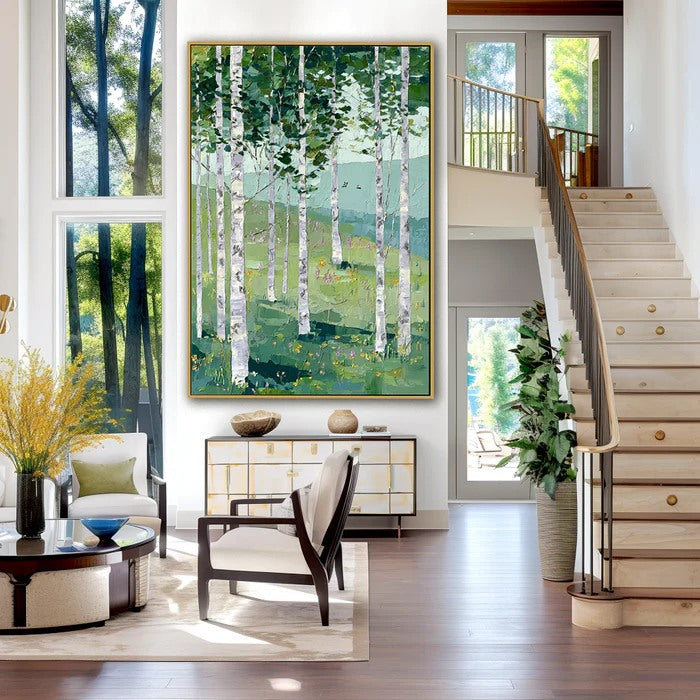
Learning how to paint a tree the right way transforms a simple image into a living, textured masterpiece. Whether you’re painting a lone oak against a glowing sunset or a forest emerging in layers of green, mastering the art of tree painting requires more than brushwork—it demands an understanding of depth, color balance, and structure. In this comprehensive guide, you’ll discover how professionals approach painting the tree, the difference between flat styles and 3D textured finishing, and why investing in a professionally hand-painted tree can save you time while delivering a luxury aesthetic.
Understanding the Art of Painting the Tree
When artists talk about “painting the tree,” they’re describing a nuanced process of building layers that represent bark, leaves, and light interplay. The key challenge lies in conveying realism while maintaining artistic fluidity. Beginners often rely on flat brushwork—smooth strokes that outline a tree shape but lack depth. Professionals, however, use multi-layered glazing and drybrush texturing techniques to bring natural dimension and tactile realism. Understanding tree anatomy helps: trunk taper, branch rhythm, and leaf clusters all shape the light and shadow patterns that define an artwork’s believability.
Technique 1: Flat Brushwork Fundamentals
Flat brushwork offers control and clarity. Using a flat brush to define main shapes ensures proper proportion and composition before adding complex layers. This style is ideal for stylized, minimalist landscapes where contrast and silhouette matter more than tactile realism. However, flat finishes tend to appear two-dimensional because they reflect light evenly. To improve results, artists blend multiple tones within each stroke—shifting from warm browns to cool greens—to subtly mimic natural irregularities.
Technique 2: The 3D Textured Style Used by Professionals
In contrast to flat painting, the 3D textured technique emphasizes depth. Artists apply heavy-body acrylics, palette knives, and impasto methods to simulate real bark, foliage, and spatial layering. Every ridge and groove catches light differently, creating a dynamic surface that changes with perspective. This is the signature method professionals prefer when painting the tree, as it transforms an image into an immersive visual experience. The result evokes both tactile richness and emotional warmth, elevating everyday walls into statement pieces.
At Artextured, we believe art should do more than decorate—it should transform spaces and inspire experiences. Founded in Xiamen, our collective brings together emerging and established artists who push the boundaries of creativity, blending traditional craftsmanship with innovative materials. Our exclusive hand-painted textured canvases, including modern tree paintings, exemplify this commitment to turning art into harmony and inspiration for contemporary interiors.
Technique 3: Layered Glazing for Atmospheric Trees
Glazing builds realism through thin translucent paint layers. Professionals start with a dark underpainting, then gradually glaze lighter tones to enhance depth and shadow. Each transparent layer interacts with those beneath it, producing glowing light effects that mimic natural atmospheric haze. This approach is perfect for forest scenes and sunset silhouettes, where light diffusion defines mood. It’s time-intensive but results in unparalleled vibrancy and realism when used in tree painting.
Technique 4: Drybrush Detailing for Bark Texture
Drybrushing creates the illusion of bark grain and fragile twigs. By removing excess paint and dragging the brush lightly, artists introduce subtle highlights across raised textures. In portraying a tree trunk, drybrush technique adds contrast that mimics the weathered roughness of real wood. When combined with palette knife strokes, it enhances both tactile and visual texture, creating a sense of aged authenticity that enriches natural compositions.
Technique 5: Color Harmony and Balance
Tree painting thrives on understanding color theory. Professional artists achieve realism by balancing temperature contrasts—cool shadows against warm midtones. A key trick is neutral mixing: using complementary colors like red and green or blue and orange to build realistic bark tones. Adding muted hues prevents the “flat cartoon” effect. Whether working digitally or on canvas, artists who master tree color temperature create depth that draws the viewer inward.
Professional vs. DIY: A Visual Comparison
| Approach | Key Advantages | Durability | Texture Depth | Visual Realism |
|---|---|---|---|---|
| Flat Brush DIY | Quick, basic tree shapes | Low | Minimal | Stylized |
| 3D Textured Professional | Rich layers, tactile surface | High | Deep and dynamic | Realistic and immersive |
Professional tree paintings use premium materials and tested color-mixing methods, ensuring long-term vibrancy. DIY projects may achieve charm, but they rarely match the intricate craftsmanship and environmental harmony of trained professionals.
Real User Cases and ROI from Professional Tree Paintings
Homeowners who invest in custom tree paintings often see measurable aesthetic and emotional benefits. A Hong Kong interior designer reported a 35% rise in client satisfaction scores after switching from printed art to hand-painted trees. Many collectors note how a textured tree canvas softens acoustics and elevates mood, making living rooms feel alive. Businesses that feature such artwork in lobbies enhance perceived brand value, as textured art conveys sophistication and quality.
Future Trend Forecast
The future of painting the tree lies in the blend of technology and human creativity. AI-assisted composition tools allow artists to preview lighting patterns and foliage density before applying paint. Sustainable, naturally derived pigments are also becoming central to modern tree painting practices, ensuring eco-conscious production. As minimalism merges with organic art, textured tree paintings will dominate contemporary decor, offering nature’s calm through handcrafted precision.