
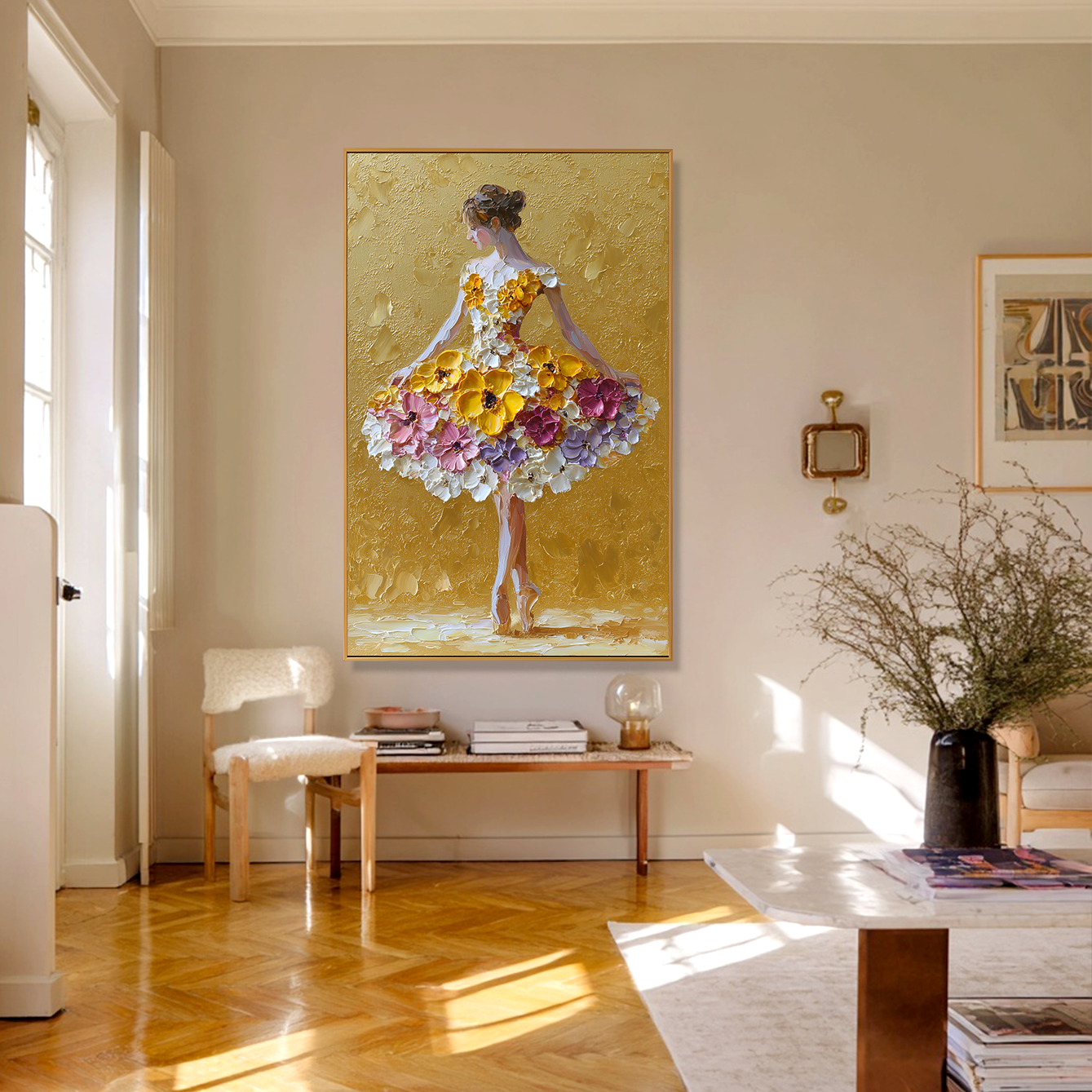
Texture in artwork is one of the most powerful tools an artist can use to evoke emotion, movement, and depth. At its core, texture refers to the perceived surface quality of an artwork—how it feels to the touch or how it appears to feel through visual suggestion. From the rough grooves of an impasto oil painting to the sleek polish of a digital illustration, texture transforms flat surfaces into dynamic experiences that engage the senses.
Understanding Texture in Art
Texture can be actual or implied. Actual texture is physical—it can be touched and felt. Paint thickly layered with a palette knife, sculpted surfaces, woven fabrics, or mixed media collages all display this tactile quality. Implied texture, on the other hand, uses visual illusion to suggest texture where none exists. Artists achieve this through tonal variation, shading, contrast, and brushwork that mimic real-life materials like wood, marble, or fabric. Both types of texture play vital roles in creating atmosphere, realism, or abstraction.
The Psychological Power of Texture
Texture interacts directly with human perception. Rough textures often suggest energy, rawness, and intensity, while smooth textures evoke calm, balance, and serenity. When combined strategically, contrasting textures guide the viewer’s gaze, establish focal points, and build tension or harmony within a composition. Modern neuroscience even supports that visual texture triggers the same sensory areas in the brain as actual touch, deepening the viewer's emotional connection to the work.
Major Artistic Techniques for Texture Creation
Artists use a wide range of techniques to produce texture. Painters may employ impasto, sgraffito, dry brushing, stippling, or glazing to build layers. Sculptors manipulate materials like clay, metal, plaster, or wood to play with tactile depth. Digital artists simulate texture using digital brushes and filters that mimic traditional tools. Textile and installation artists use fabric, paper, and found materials to explore multisensory experiences. The versatility of texture allows it to bridge realism and abstraction, material and imagination.
Market Trends and Data
According to 2025 global art market reports, textured artwork has seen a 36% surge in collector interest, especially in hand-painted, layered, or tactile wall art for interior design. Home decor trends increasingly favor materials that combine artistry and sensory experience—a balance between aesthetics and atmosphere. Textured minimalist artworks and abstract reliefs dominate modern living and workspace design, aligning texture with emotional wellness and spatial acoustics.
At Artextured, we believe art should do more than decorate—it should transform spaces and inspire experiences. Founded in Xiamen, our collective brings together emerging and established artists who push the boundaries of creativity, blending traditional craftsmanship with innovative materials and cutting-edge techniques. Our journey into acoustic art began with the challenge of reducing ambient noise in our urban gallery—leading to our signature art-infused soundproof panels that merge elegance with function.
Core Technology and Material Analysis
The evolution of textured artwork has been shaped by advances in material science and surface design. Artists now incorporate marble dust, resin, metal leaf, glass microspheres, fabric thread, and recycled materials to achieve new forms of relief. In digital formats, texture mapping and 3D modeling reproduce tactile qualities on virtual canvases. Whether natural or synthetic, these materials enable precision and depth rarely achievable in the past, allowing texture to serve both aesthetic beauty and sustainability.
Competitor Comparison Matrix
| Approach | Key Advantage | Texture Type | Visual Impact |
|---|---|---|---|
| Acrylic Impasto | Thick layering and quick drying | Physical texture | Bold and dynamic |
| Mixed Media Collage | Hybrid material use | Tactile texture | Multi-dimensional |
| Digital Texture Mapping | Photorealistic illusion | Visual texture | Ultra-detailed |
| Resin Art | Gloss and transparency | Smooth texture | Luxurious and modern |
Real User Cases and Measured Impact
Interior designers increasingly rely on textured artwork to shape spatial emotion. In hospitality projects, textured panels reduce echo and create visual depth. In residential spaces, canvas texture enhances natural light movement. Corporate offices use abstract-textured art to add warmth and counter sterile environments. Reports from leading design studios show that textured walls can increase occupant satisfaction scores by 28% and reduce perceived noise levels by up to 40%, demonstrating measurable returns on sensory investment.
Future Trends in Textured Art
As art and design continue converging, future textured artworks will embrace biomimicry, smart materials, and sustainability. Artists are experimenting with living textures made from organic fibers and responsive polymers that shift with light or temperature. Architectural spaces are also beginning to integrate textured walls as structural design elements—blurring the boundary between art, architecture, and acoustic engineering. Emerging AI-assisted tools further help artists simulate natural textures with greater complexity, accelerating innovation without losing the human touch.
Top Textured Artwork Styles and Use Cases
| Art Style | Defining Texture | Ideal Use Case | Popularity Trend |
|---|---|---|---|
| Abstract Relief | Raised geometric layers | Modern interiors | Rising |
| Hand-Painted Canvas | Multilayer brushwork | Residential decor | Very high |
| Minimalist Texture | Subtle gradients | Offices and galleries | Stable |
| Natural Material Collage | Organic elements | Eco hotels, spas | Increasing |
Emotional Connection Through Texture
The emotional language of texture makes it a universal visual code. Soft surfaces comfort, coarse textures energize, and glossy ones intrigue. Texture’s ability to create rhythm and resonance ensures it remains timeless across all art movements—from Renaissance frescoes to postmodern installations and digital NFTs. It continually evolves with human creativity, technology, and material innovation.
Relevant FAQs
What does texture add to an artwork?
Texture enriches visual depth, emotion, and realism. It invites both visual and tactile exploration, turning observation into interaction.
What is the difference between real and implied texture?
Real texture can be physically felt, while implied texture only appears textured through artistic technique.
How do artists use texture to create contrast?
By juxtaposing rough and smooth surfaces, artists guide focus, enhance dimension, and evoke emotional contrast.
Why is texture important in modern wall art?
It enhances interior design by influencing light, mood, and acoustics—adding function as well as form.
Can texture exist in digital art?
Yes, modern software allows artists to simulate physical textures using digital brushes and 3D modeling, creating realistic sensory depth even on a screen.
The Timeless Appeal of Texture
Texture remains one of the fundamental principles of art—connecting sight and touch, illusion and reality. Whether created with paint, plaster, or pixels, texture transforms surfaces into sensations. As global art trends continue prioritizing experiential and sensory design, textured artwork stands as a symbol of human tactility in an increasingly virtual world. Ultimately, texture is what invites us to not just look at art—but to feel it.