




The Poetry of Imperfection: Embracing Organic Minimalism in Modern Interiors
In an era dominated by cold, sterile surfaces, the timeless philosophy of Wabi-Sabi offers a return to warmth, authenticity, and natural textures. It is an aesthetic centered on finding beauty in simplicity, raw materials, and gentle asymmetries. At Artextured, we translate this ancient wisdom into a premium acoustic solution, combining earthy, hand-crafted textures with advanced noise-dampening engineering to create environments that soothe both the eyes and the mind.
1. Organic Aesthetics: The Essence of Wabi-Sabi Decor
The high-end interior market is undergoing a massive shift away from artificial gloss toward raw, earthen textures.
-
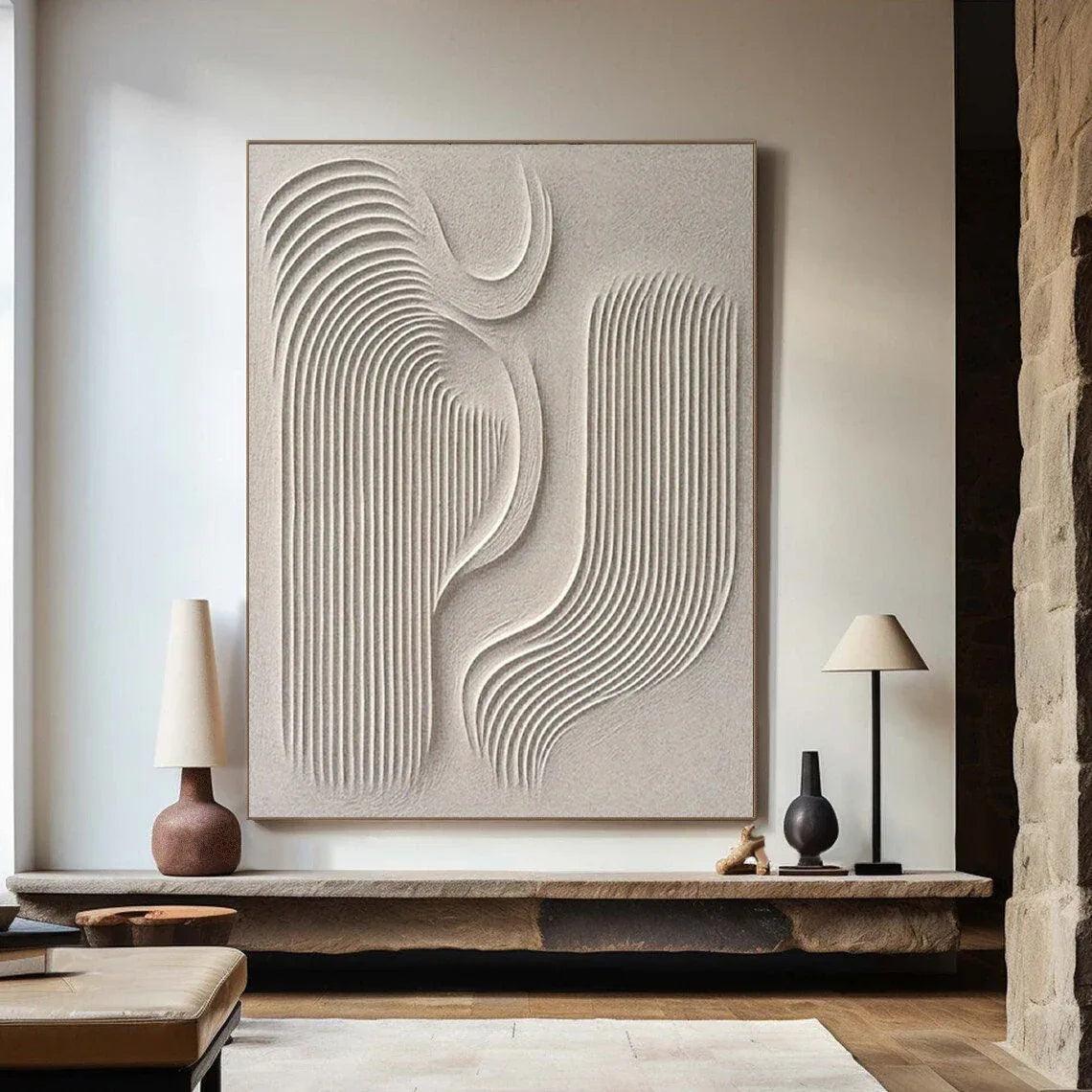
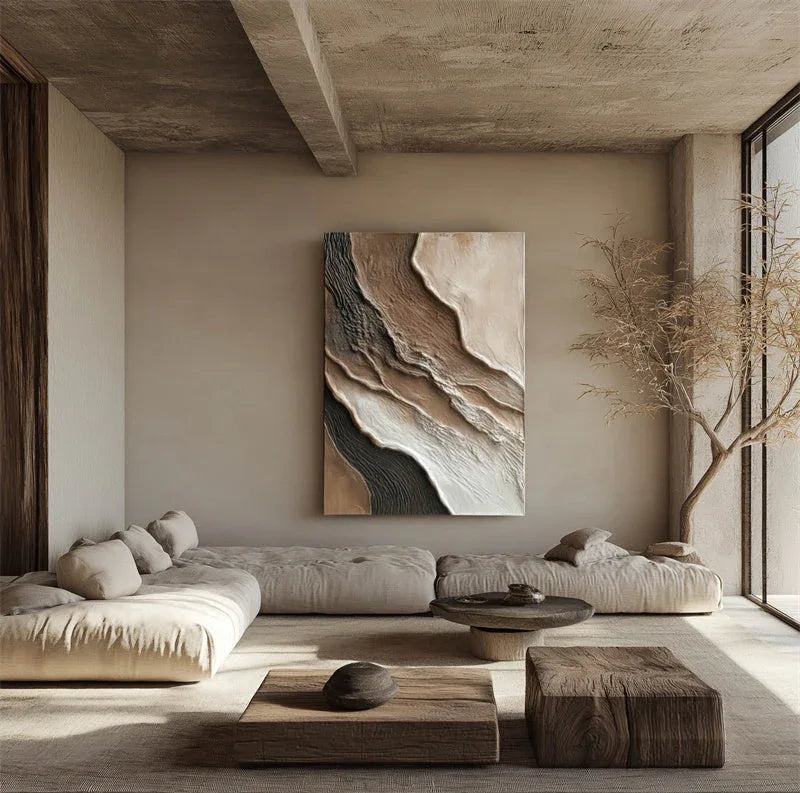
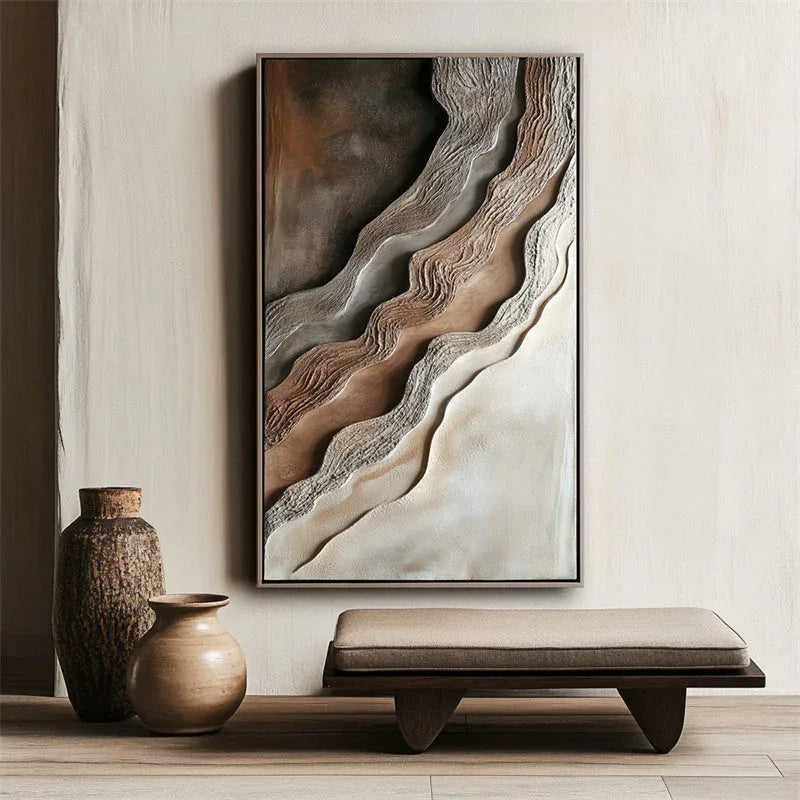
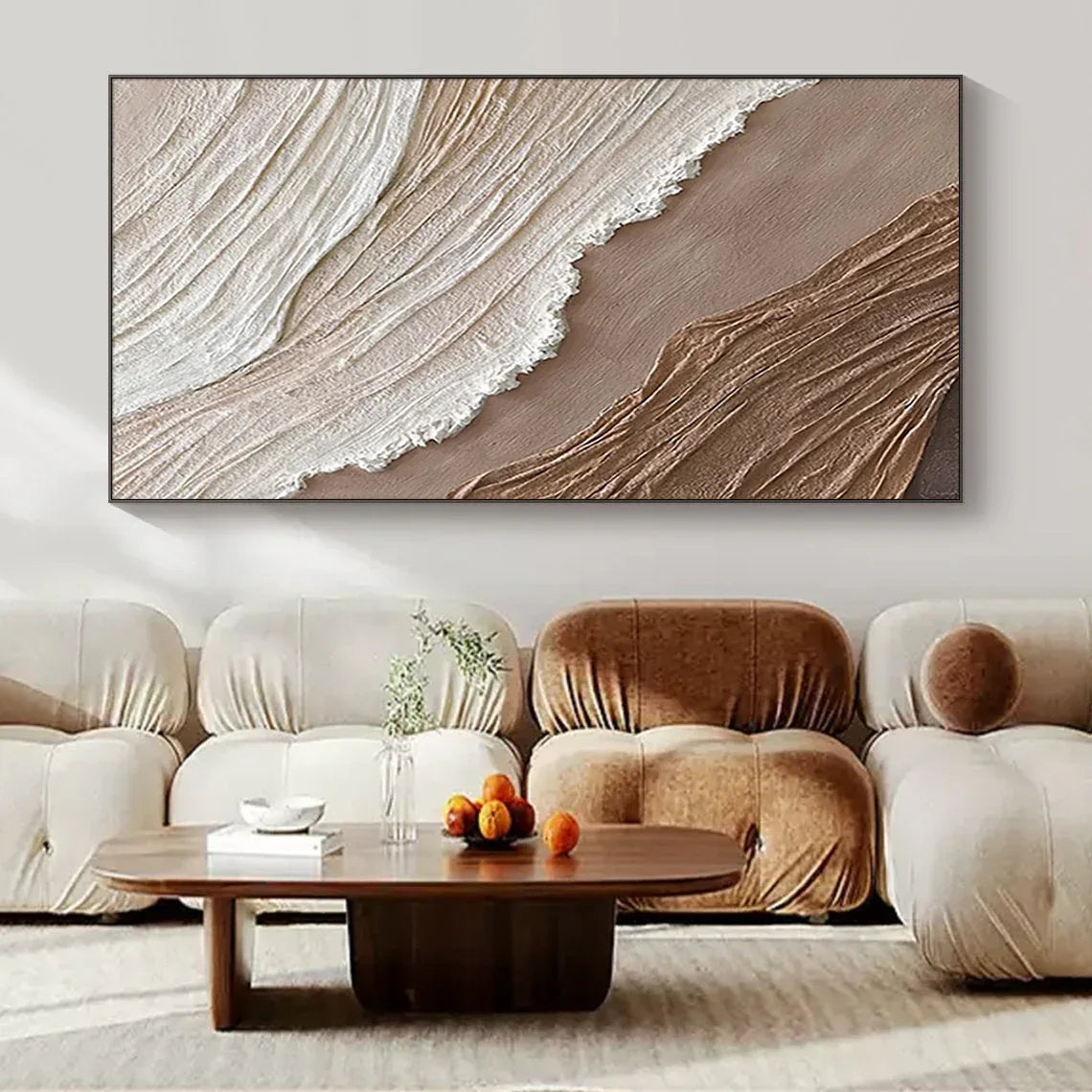
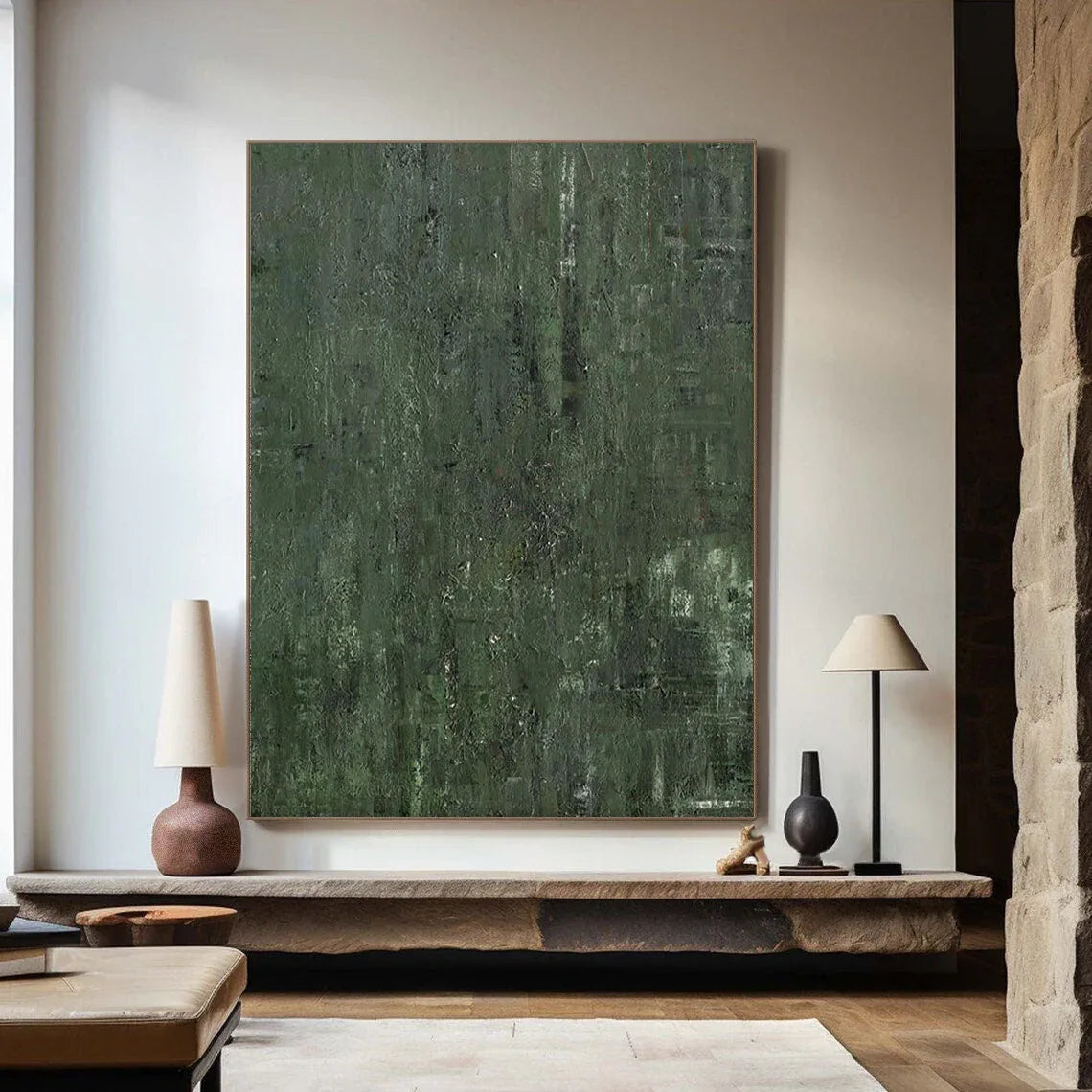
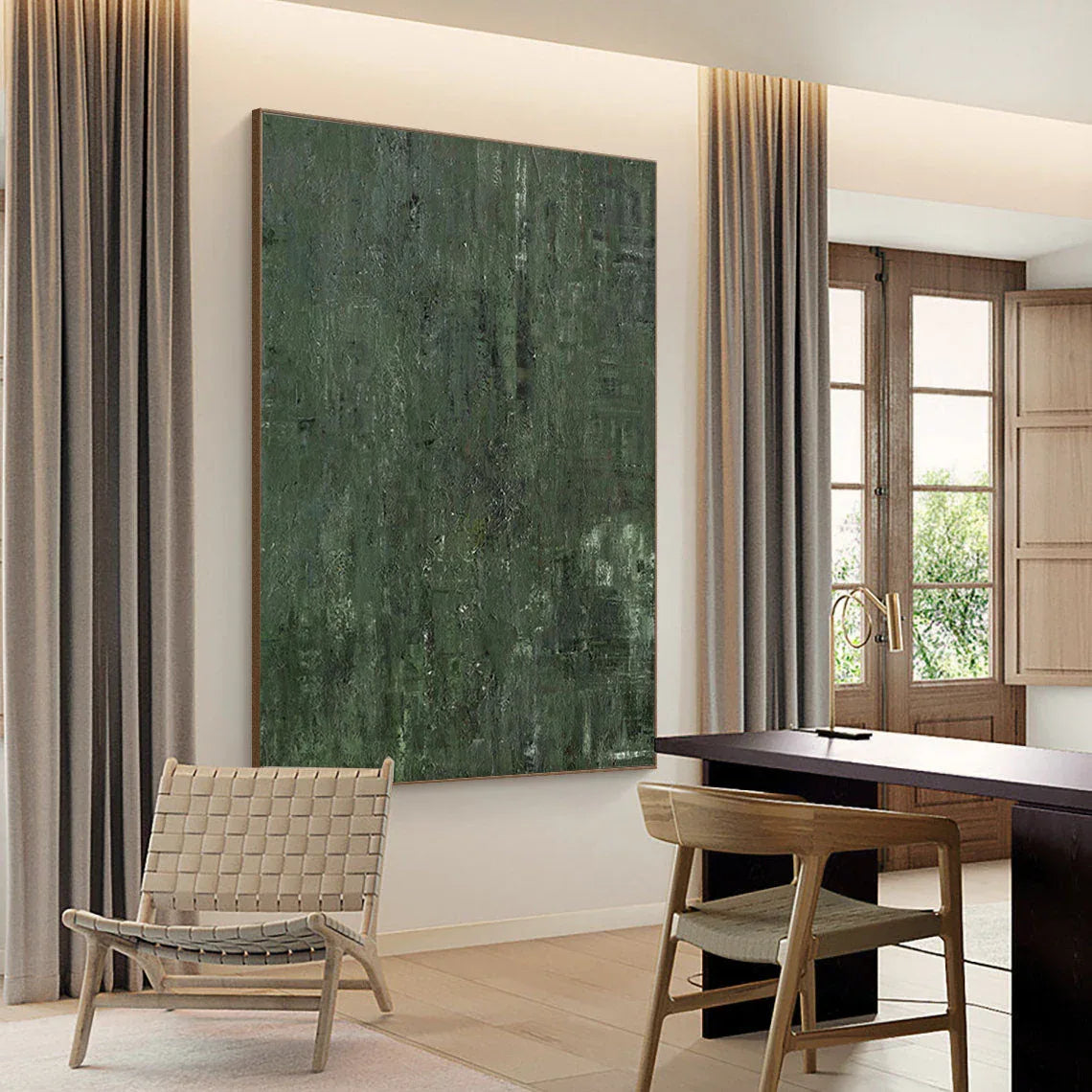
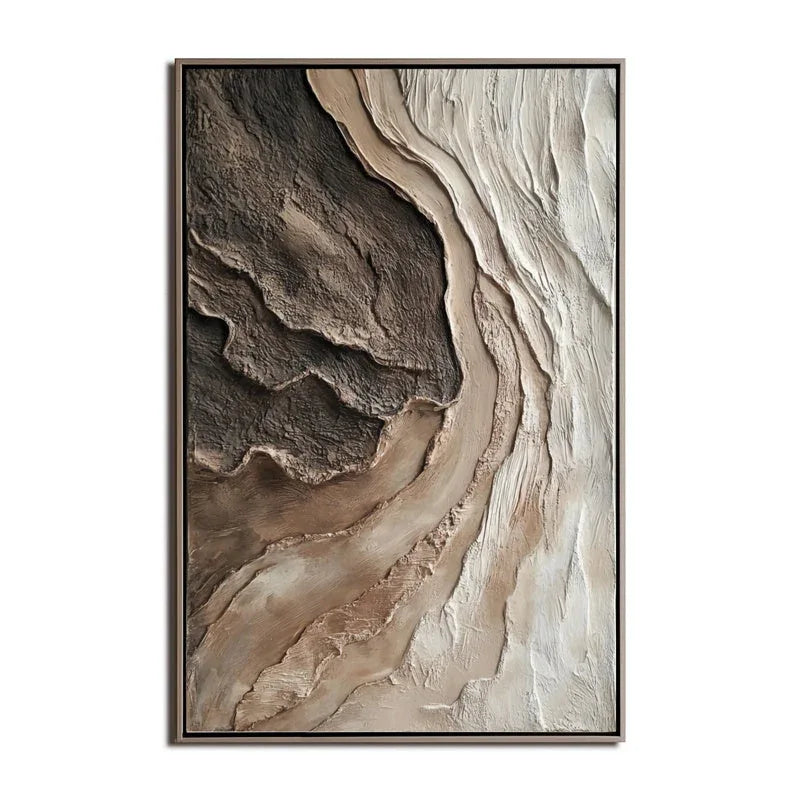
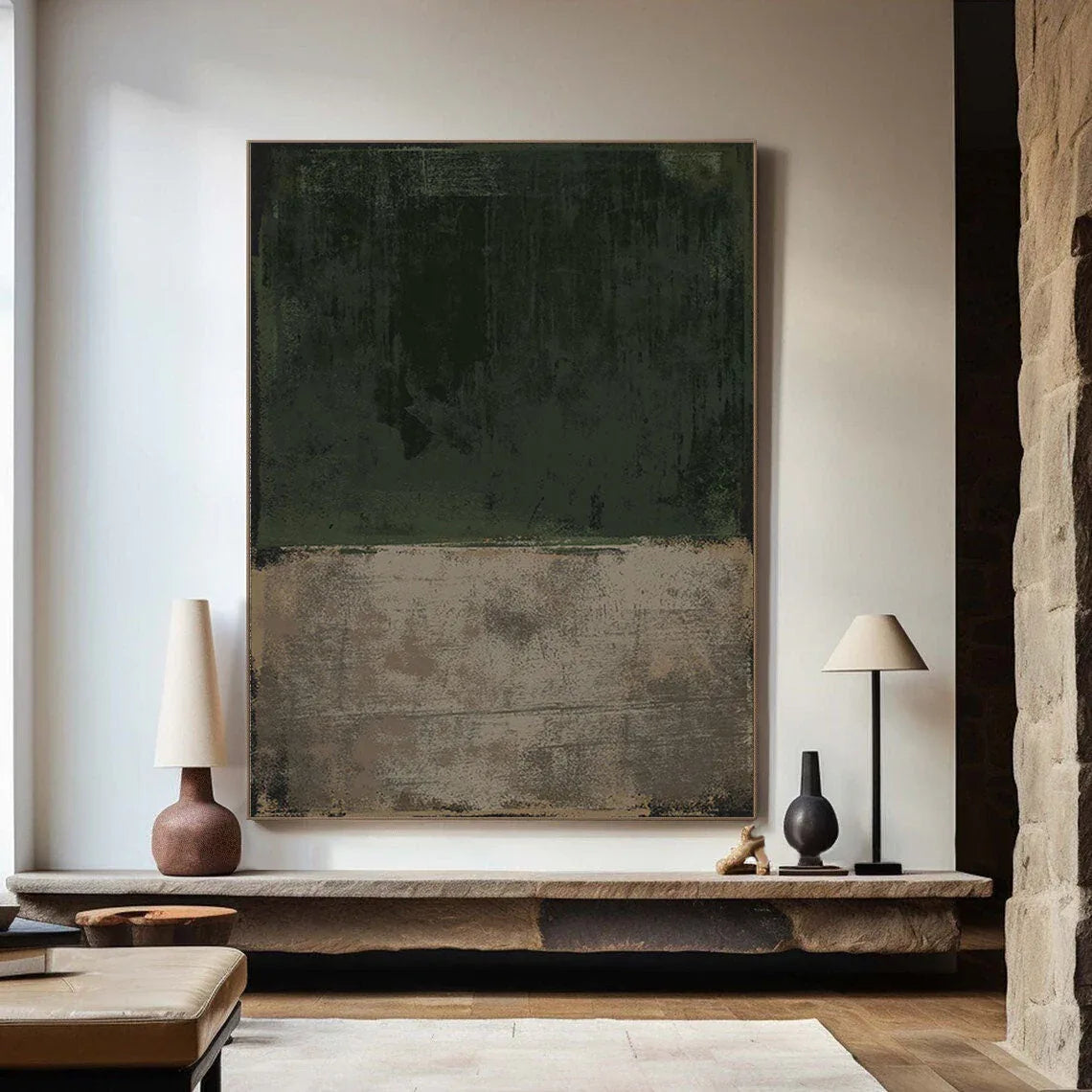
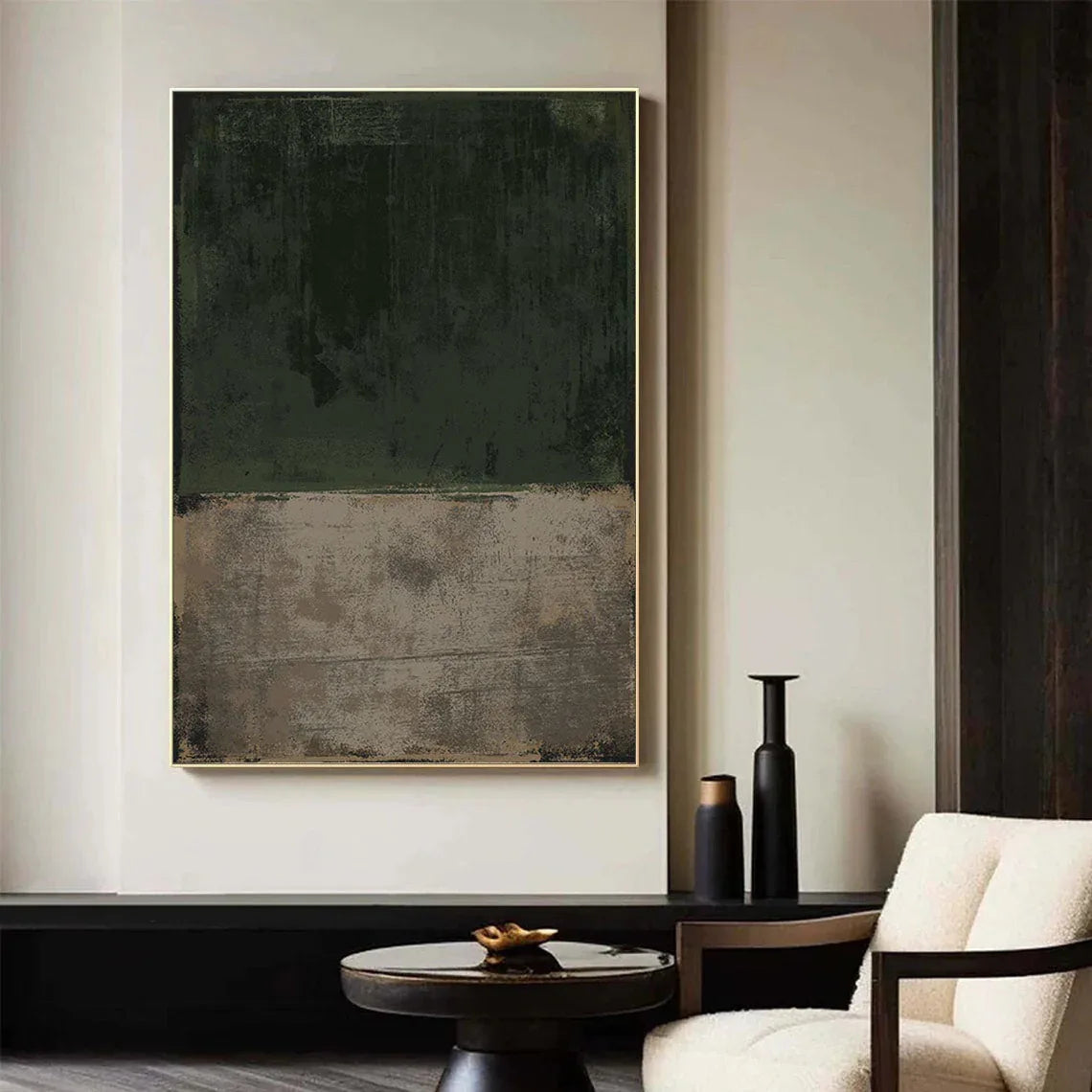
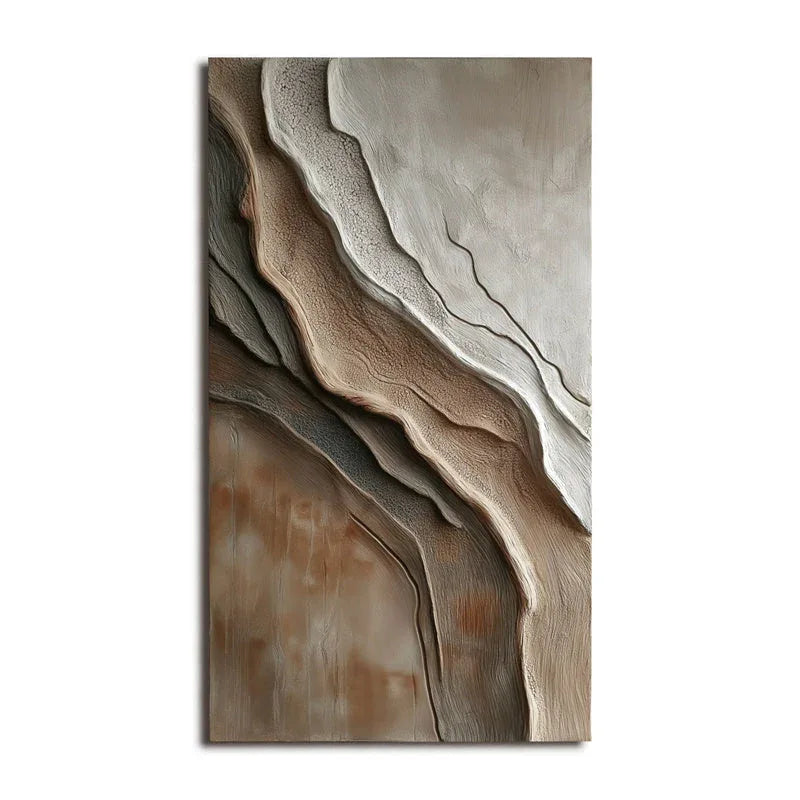
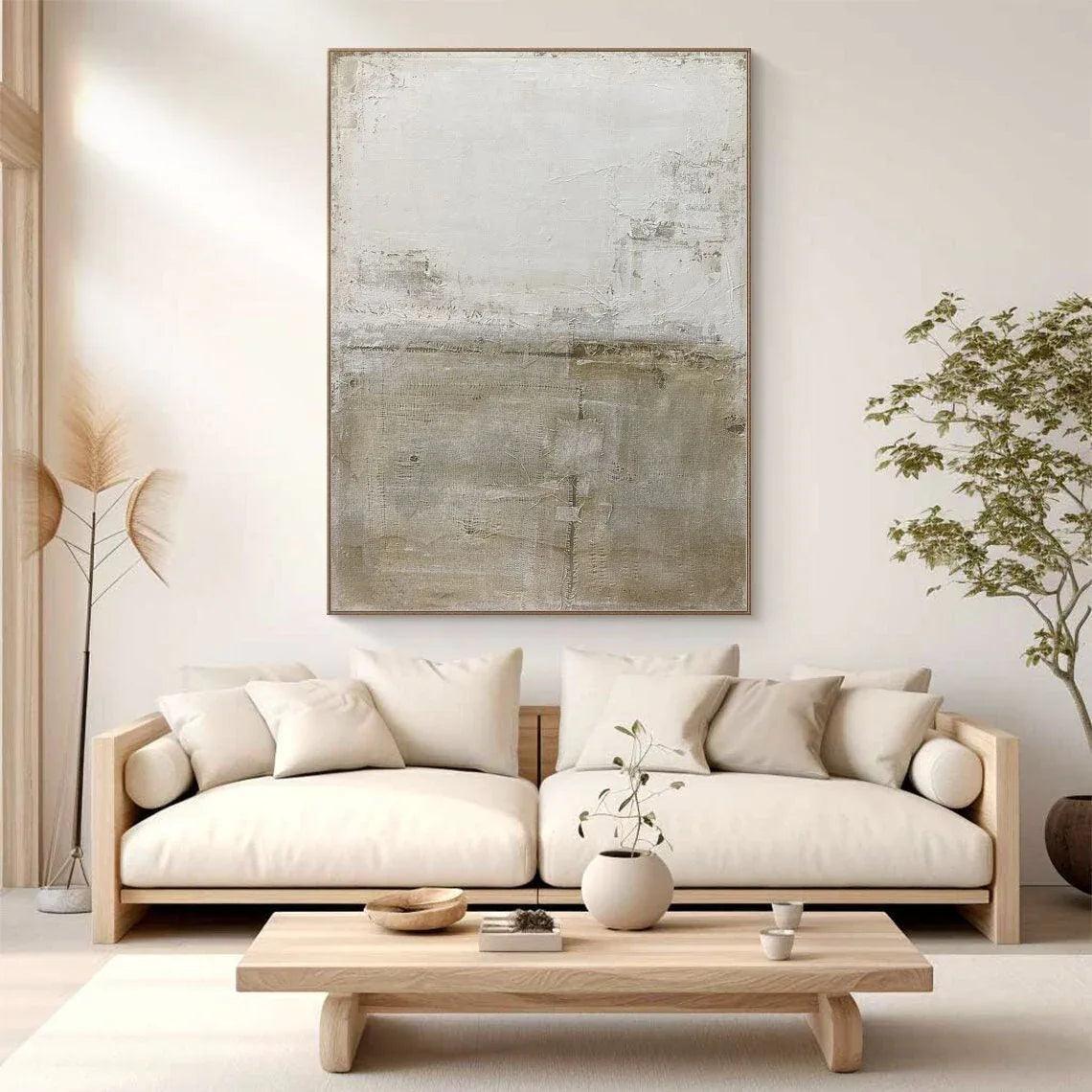
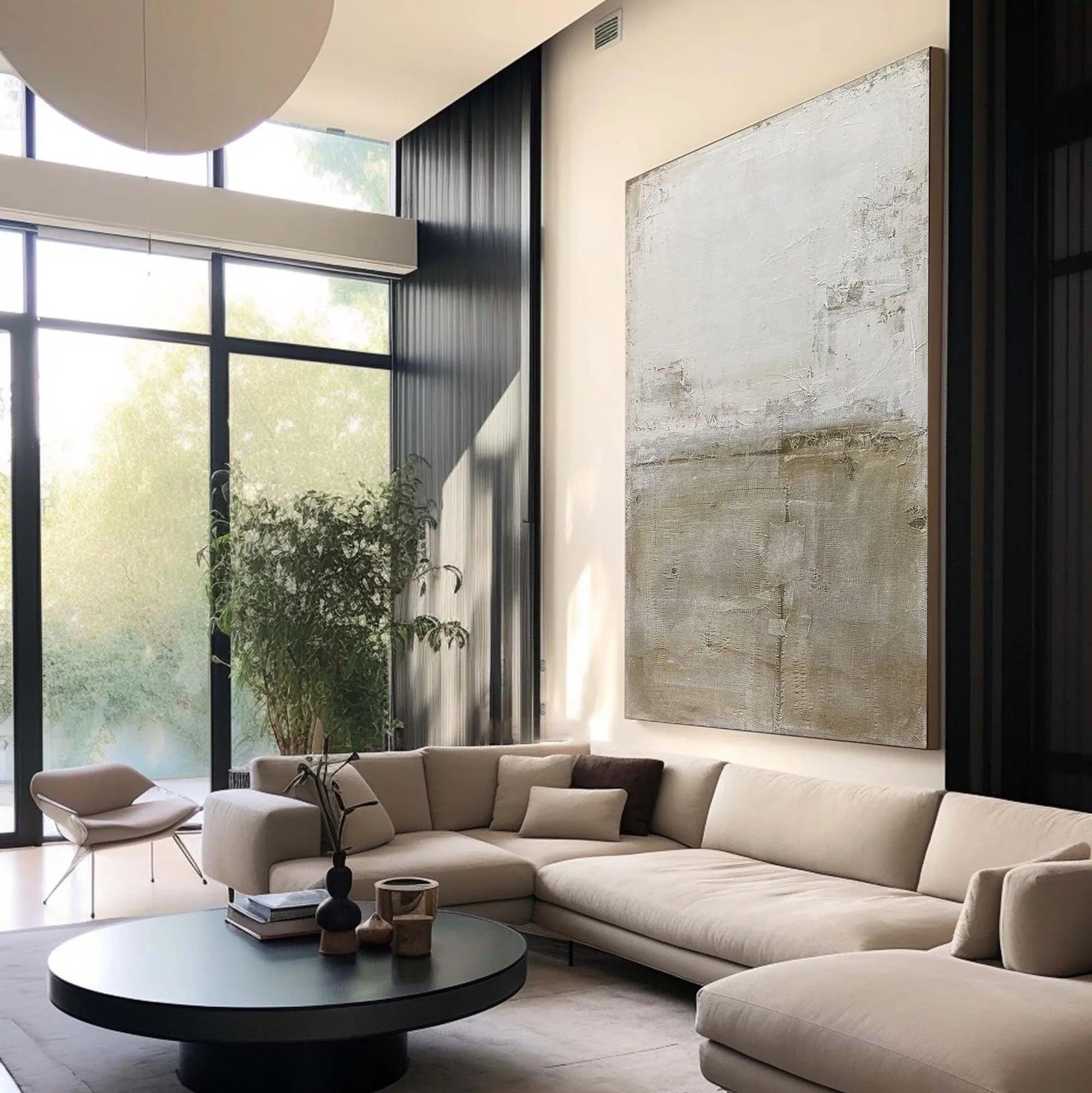
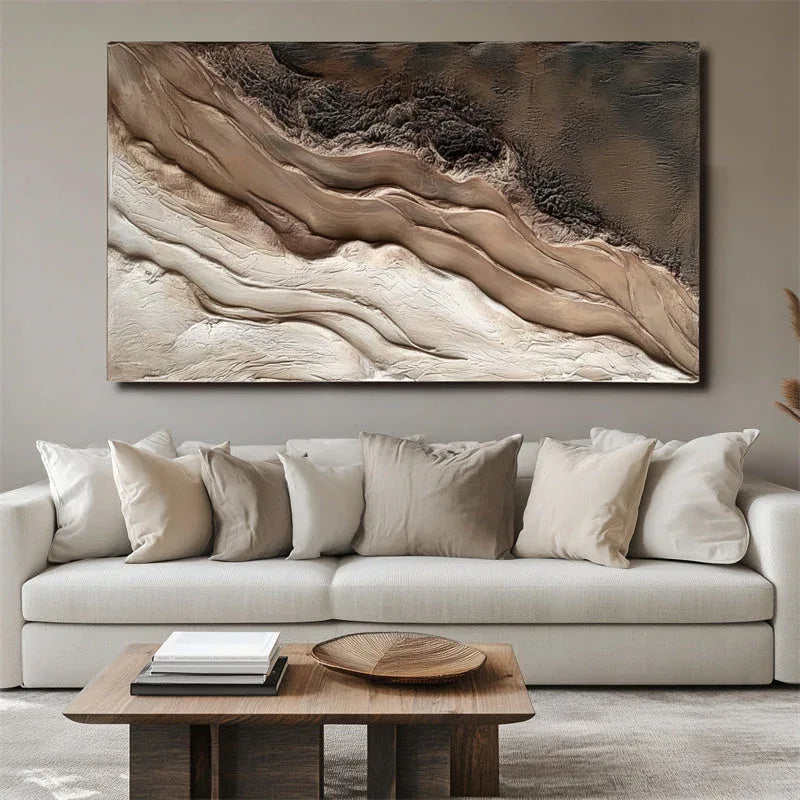
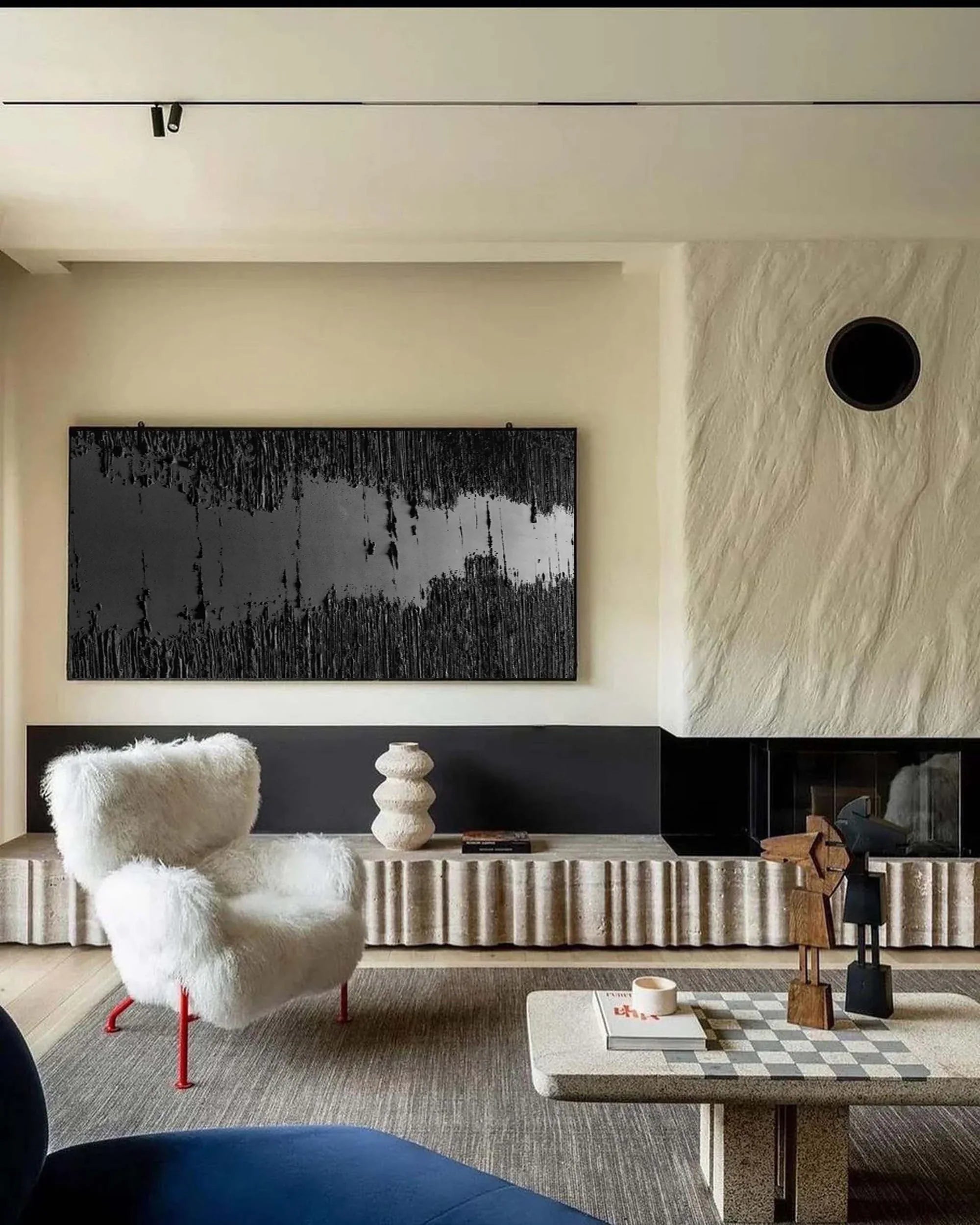
Earthborn Sophistication: Our wabi sabi wall art collection celebrates subtle imperfections, bringing a grounded, meditative presence to minimalist luxury homes.
-
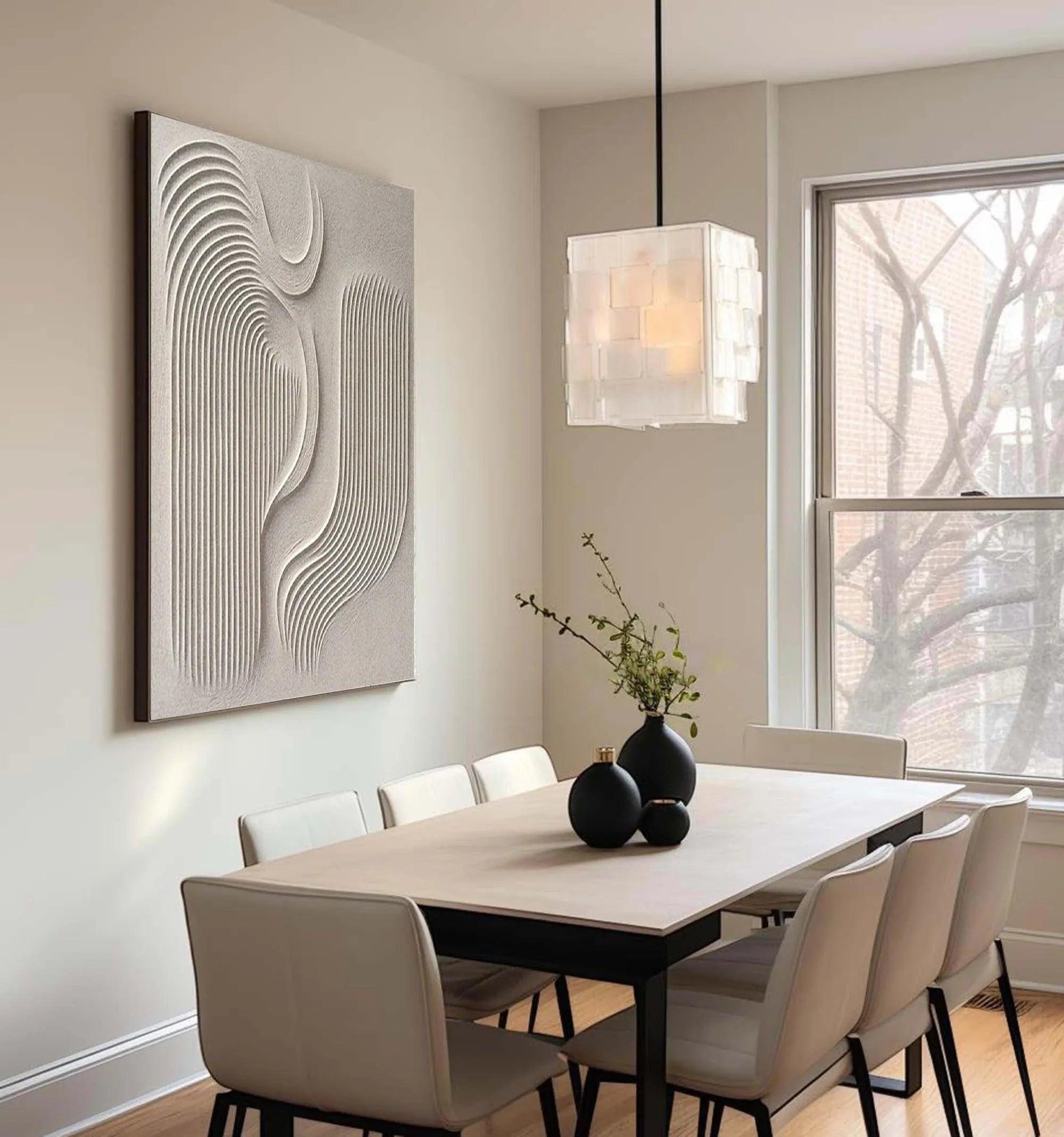
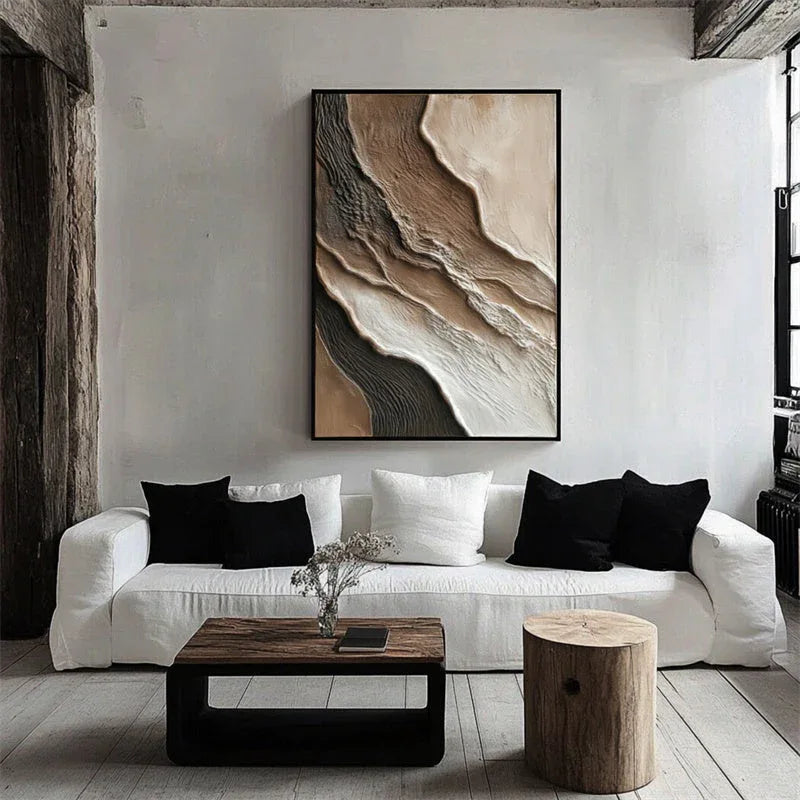
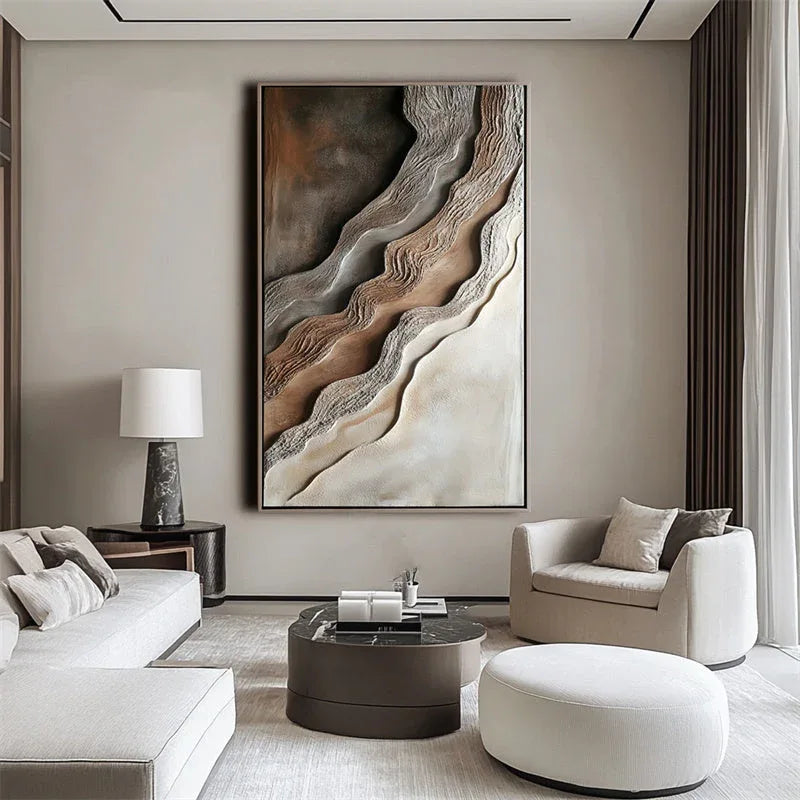
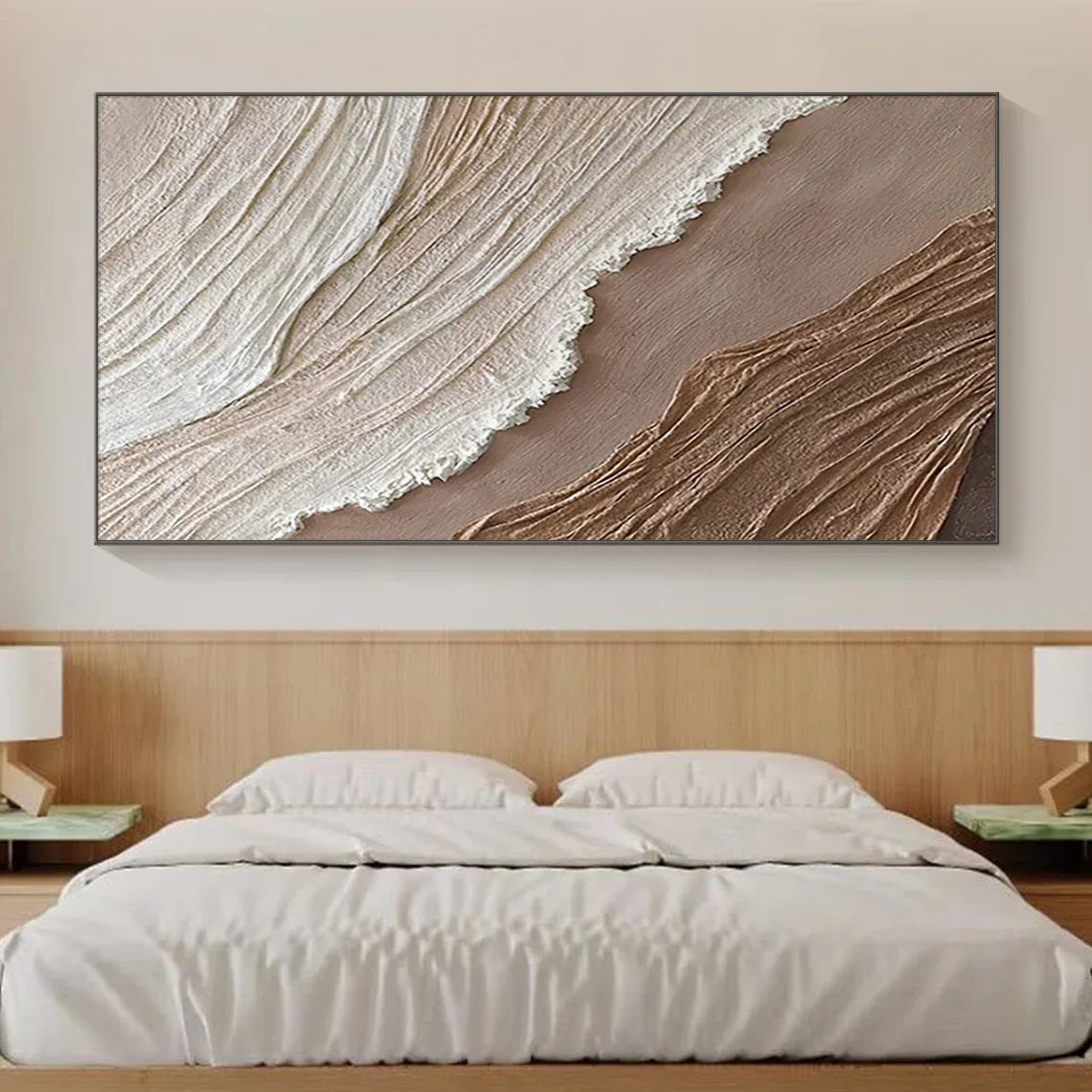
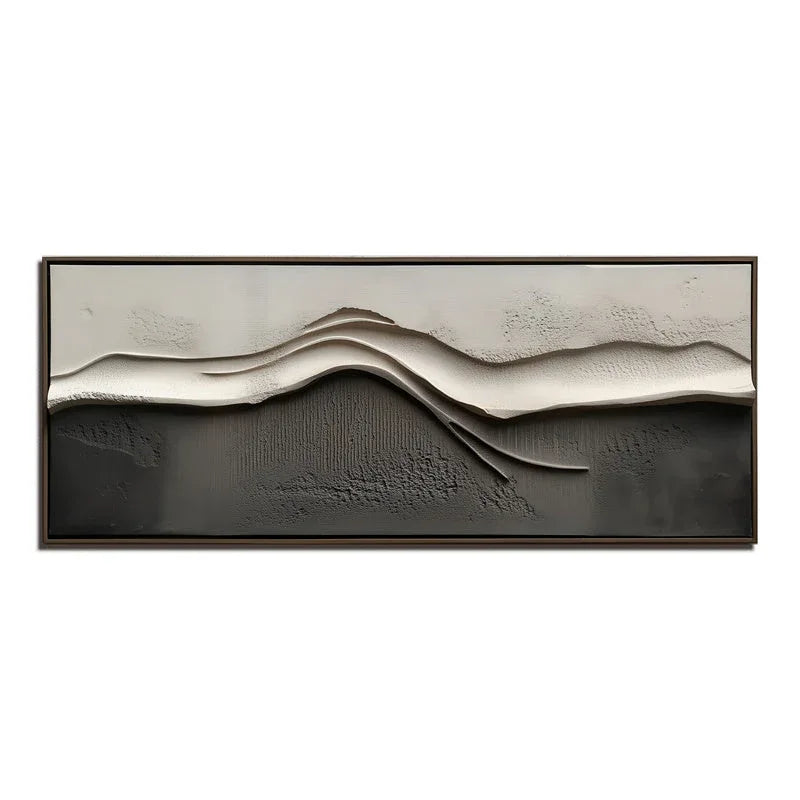
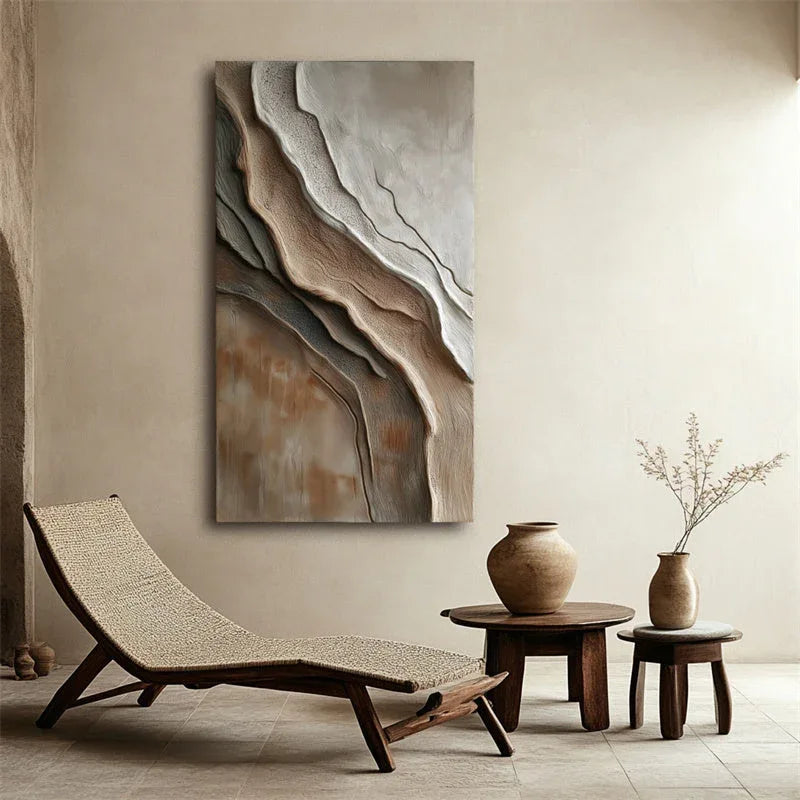
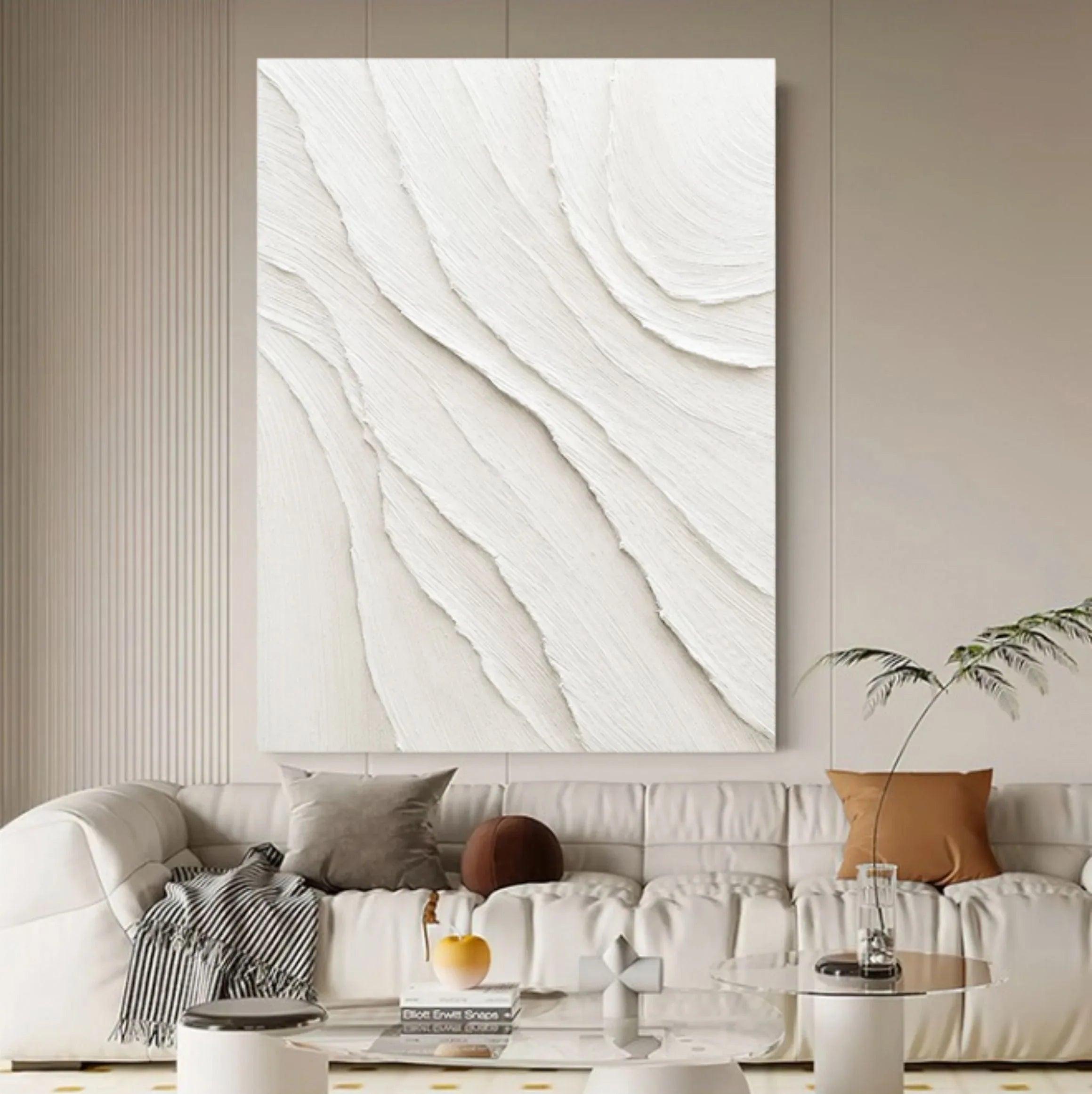
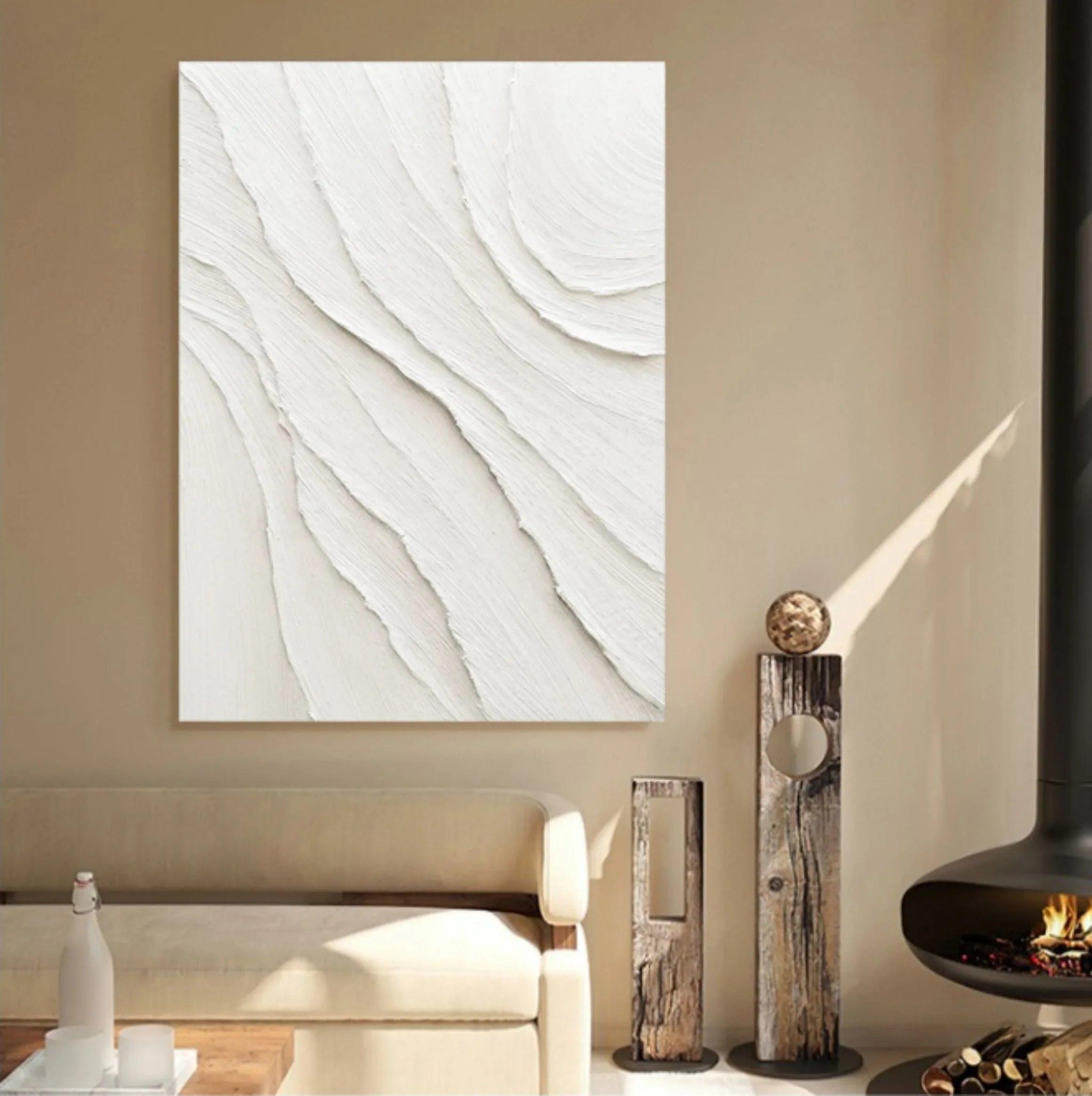
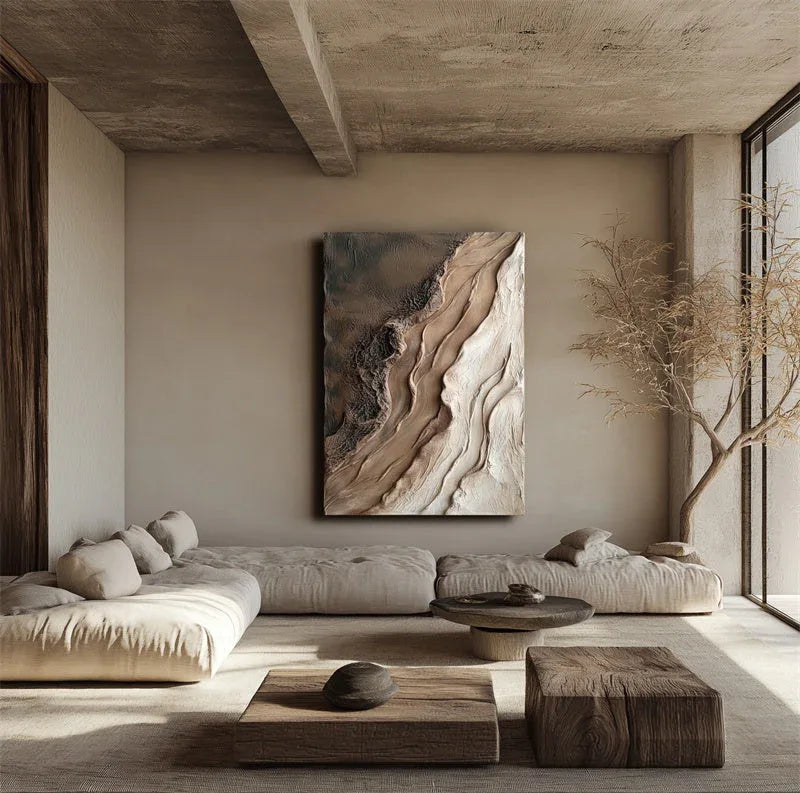
Tactile Minimalist Design: Choosing a large-format organic textured canvas art piece introduces a rich, plaster-like depth that transforms blank surfaces into storytelling walls.
-
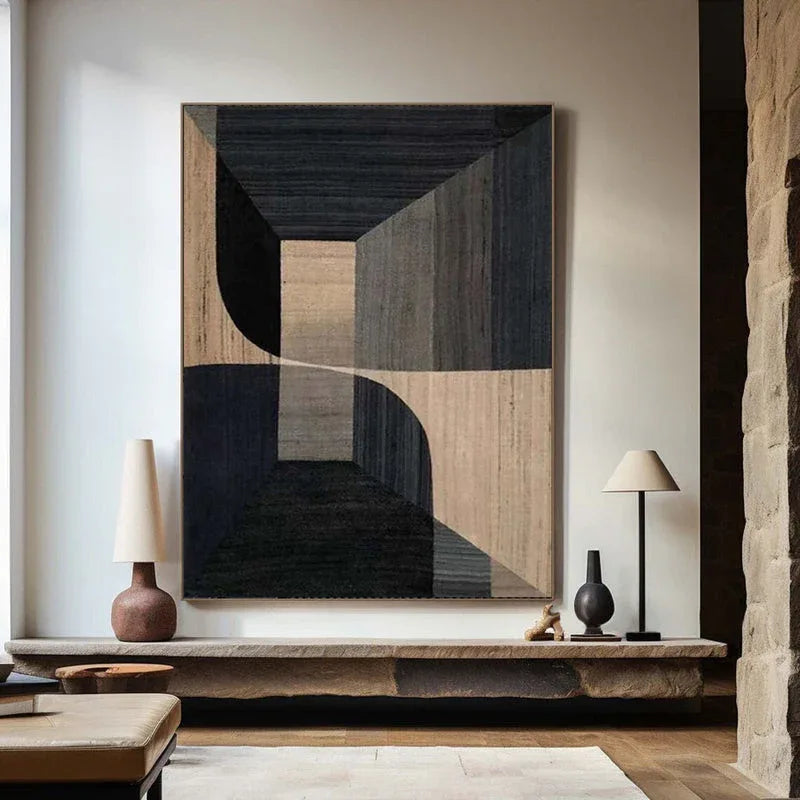
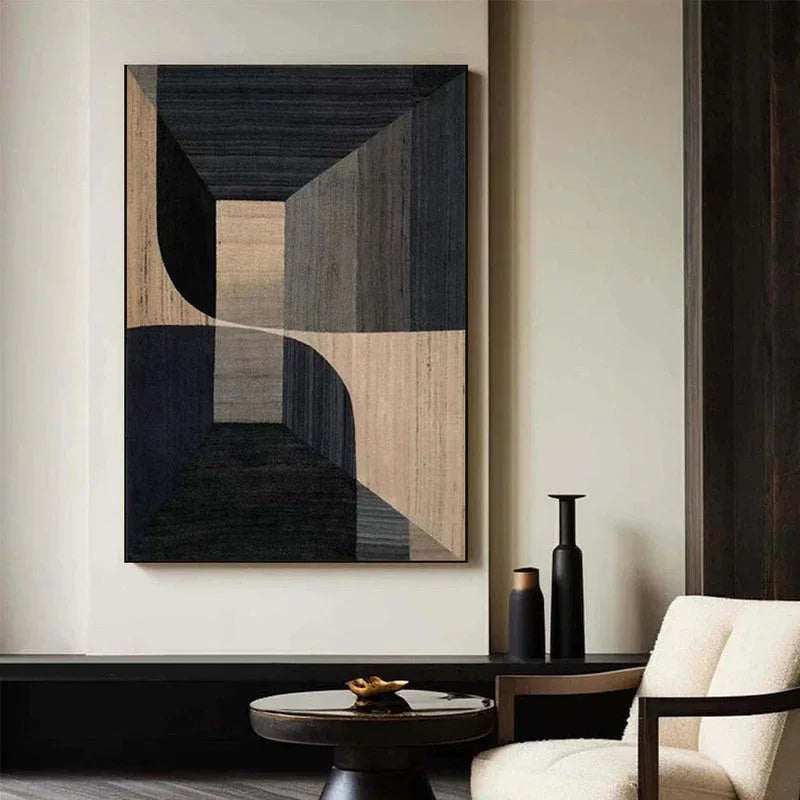
The Artextured Touch: Every neutral-toned panel ensures that japandi minimalist decor looks incredibly authentic, upscale, and effortlessly connected to natural elements, whether curated as single focal points or paired together in a balanced set of 2 format.
2. Auditory Serenity: Zen-Inspired Acoustic Control
A peaceful sanctuary cannot exist in a noisy, reflective room. True Zen design requires acoustic comfort to achieve a state of calm.
-
Whispering Walls: Our high-density sound absorbing wall art panels target harsh room reflections, dissolving echo into a soft, quiet ambiance.
-
Invisible Engineering: This specialized acoustic wall art series hides high-performance porous cores behind fine mineral-textured fabrics, offering a complete soundproofing solution without looking industrial.
-
Aesthetic Sound Treatment: We capture the organic feeling of stone and clay to deliver a highly effective noise reduction surface that enhances the quiet luxury of modern bedrooms, yoga studios, or action-inspired spaces like a ski or surf retreat.
3. Crafted Plaster Reliefs & Earth-Toned Styles
The Artextured collective utilizes mixed-media artisan techniques to capture the quiet, shifting interplay of light and shadow across rough surfaces.
-
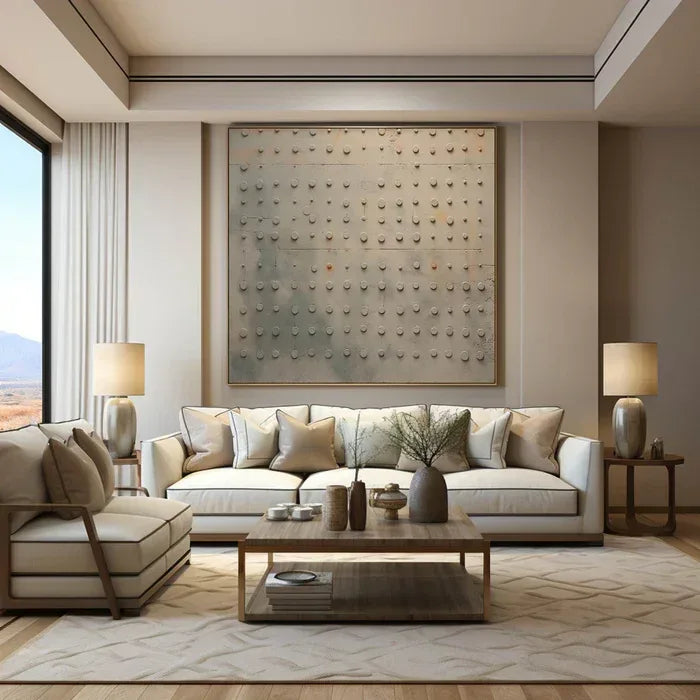
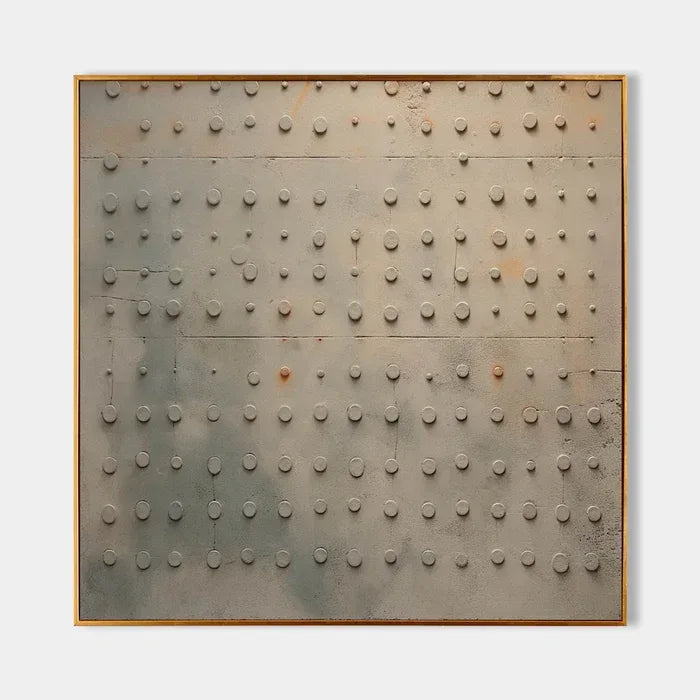
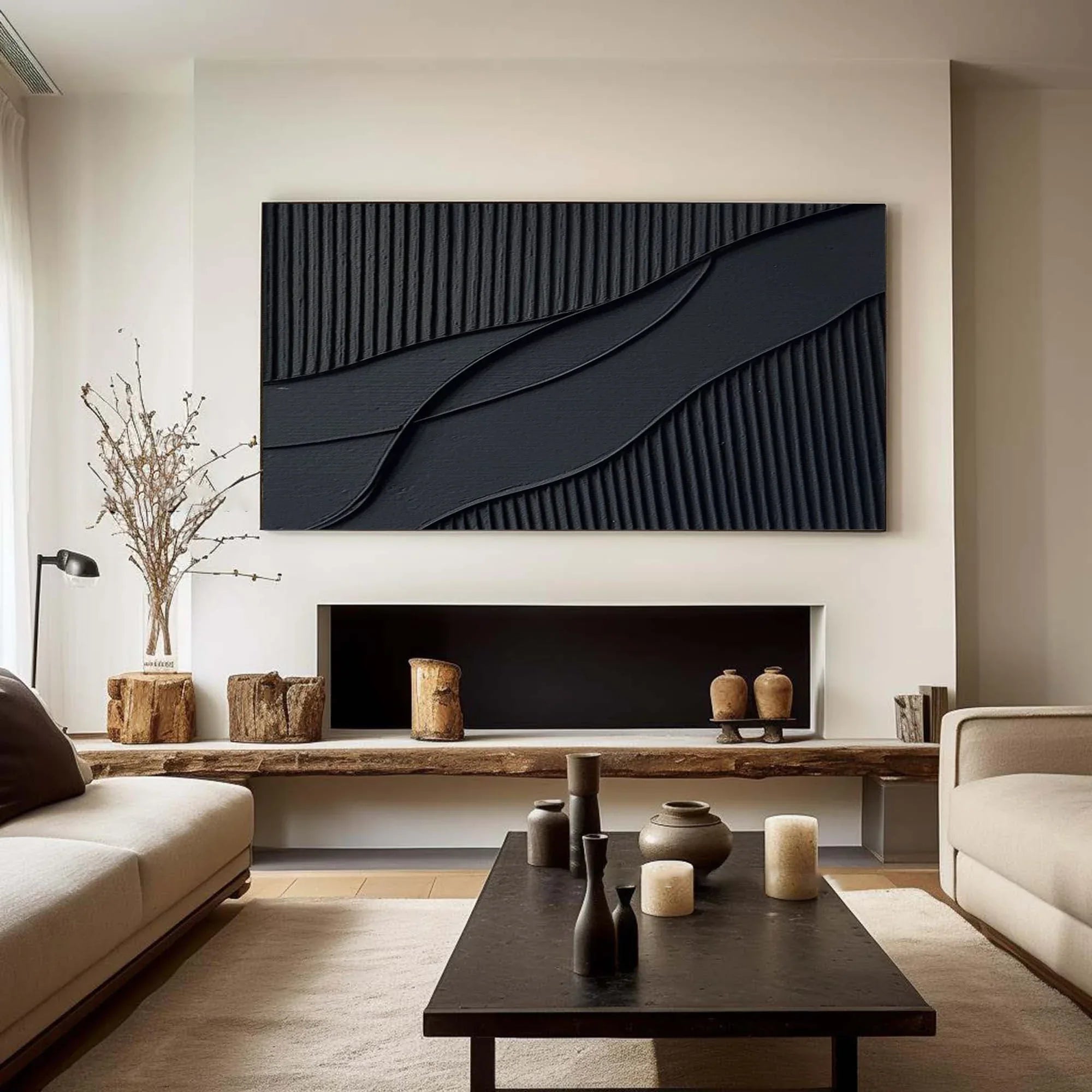
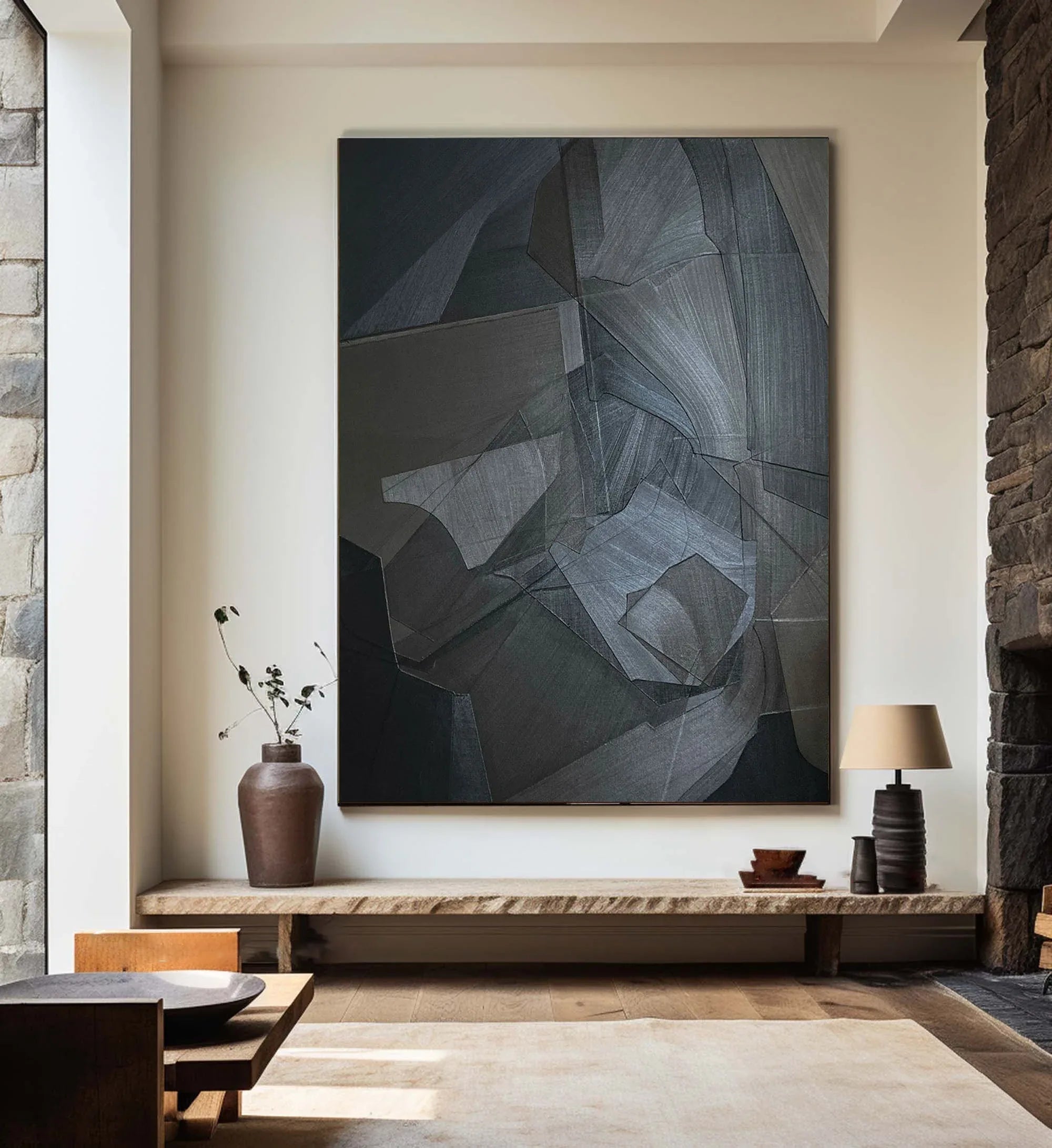
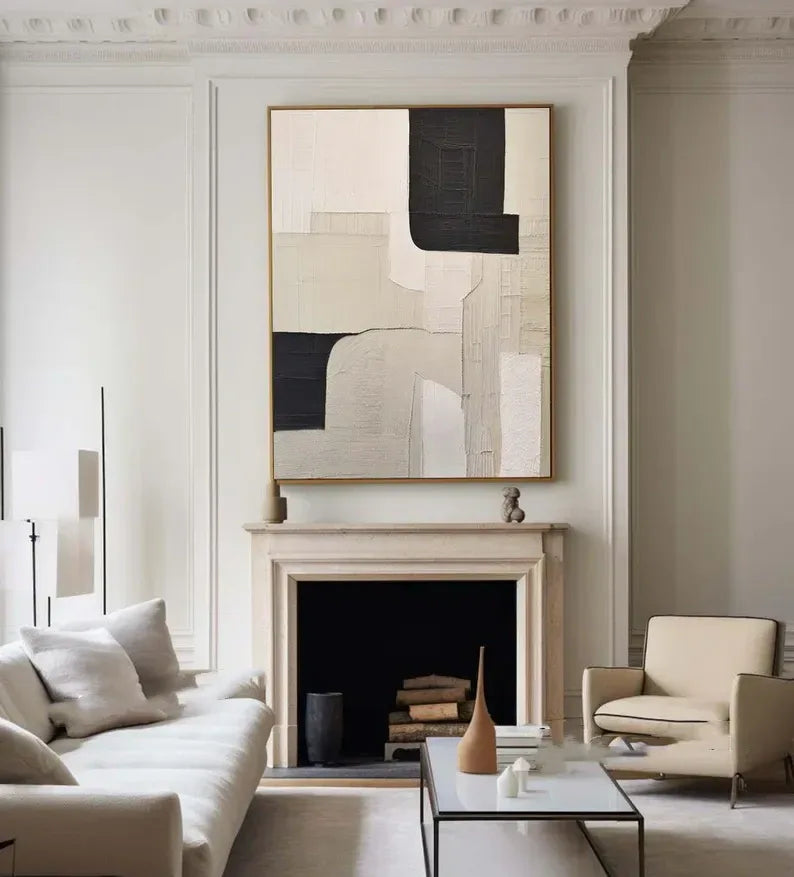
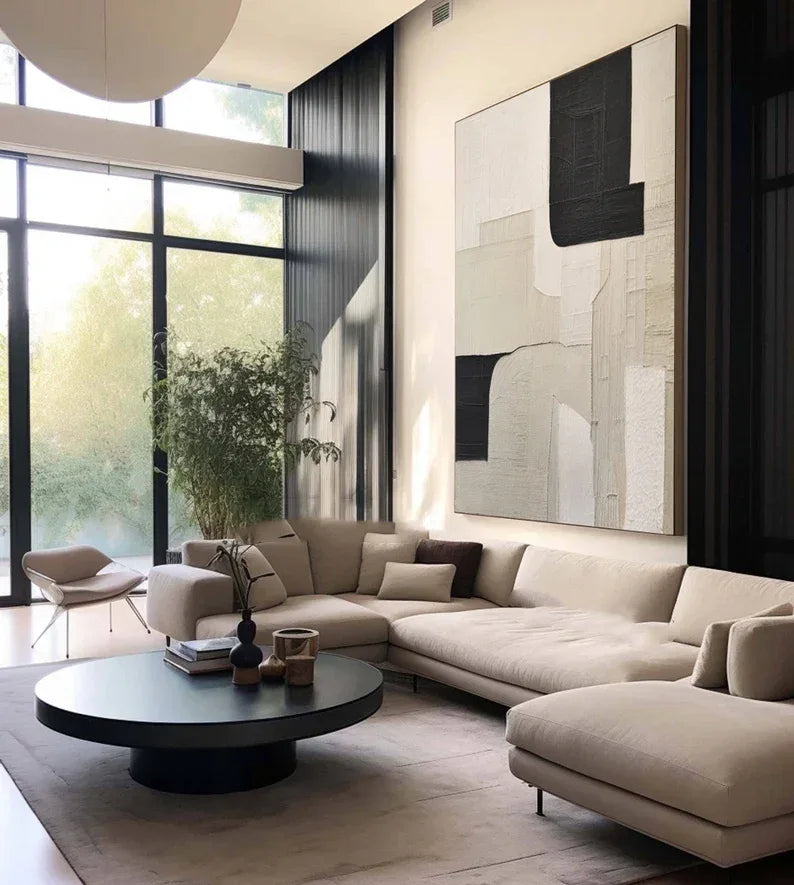
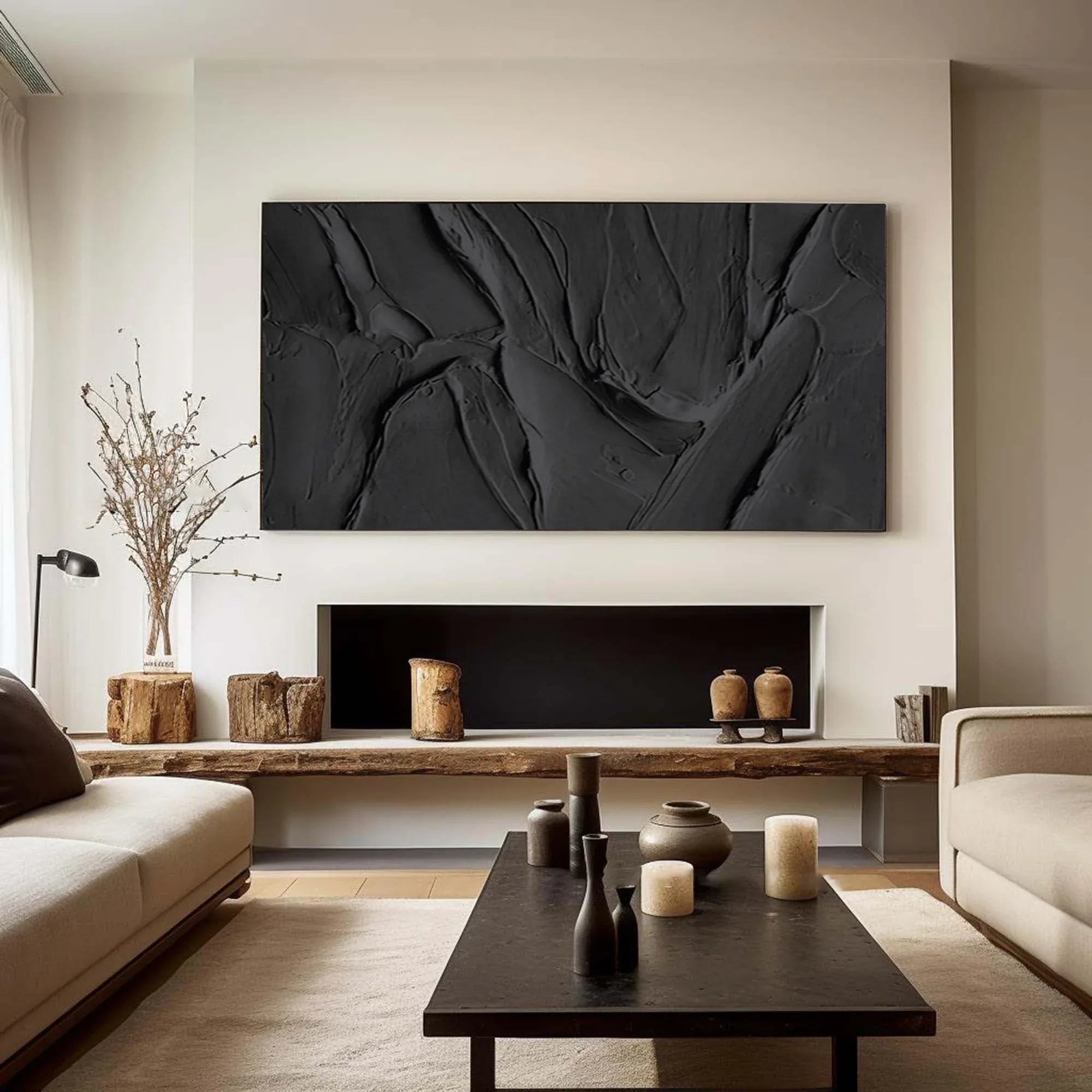
Monochromatic Neutral Textures: Soothing tones of beige, cream, slate, and charcoal that form a quiet background, seen clearly in our beige minimalist abstract avg-003 or the grounding depth of our layered earth texture canvas 241068.
-
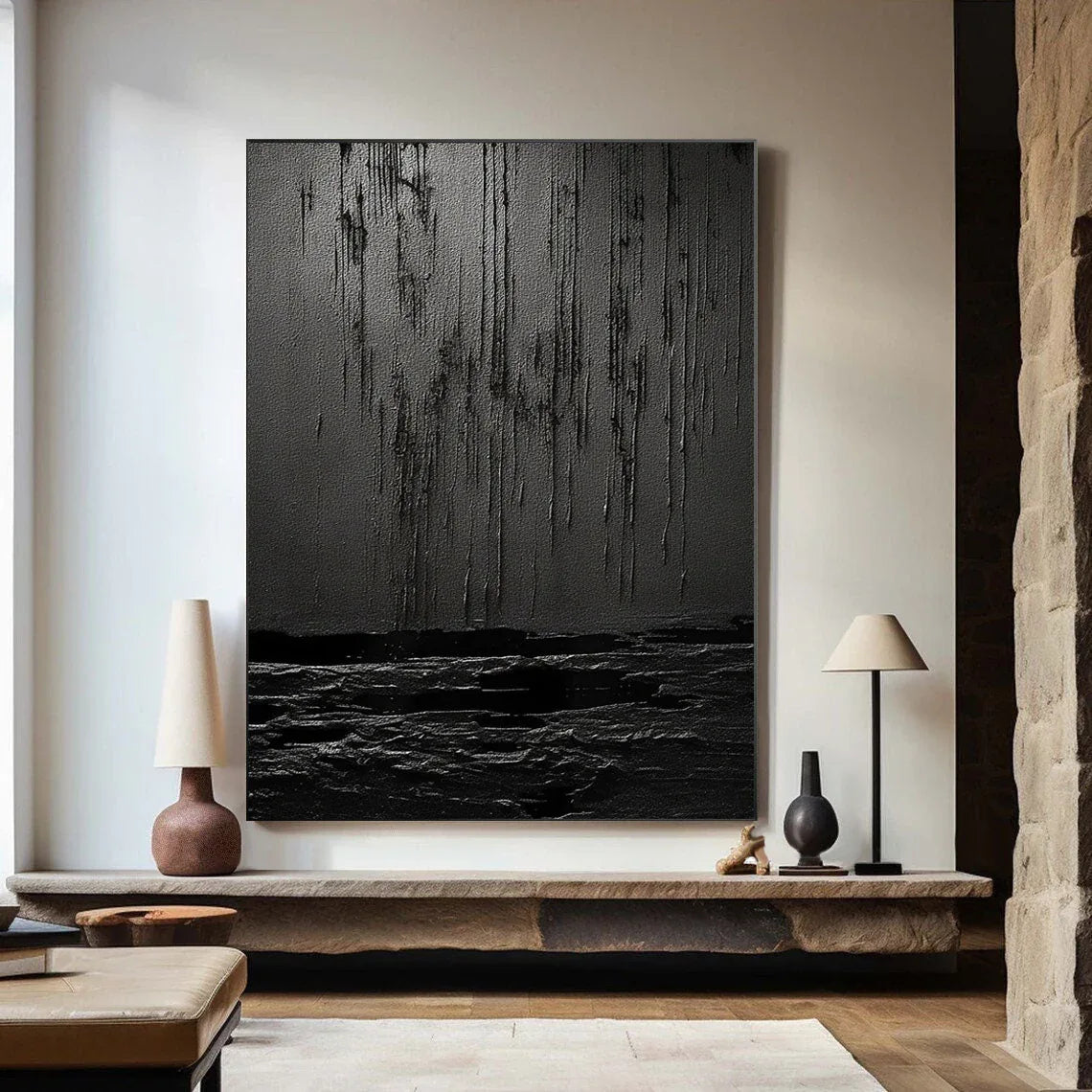
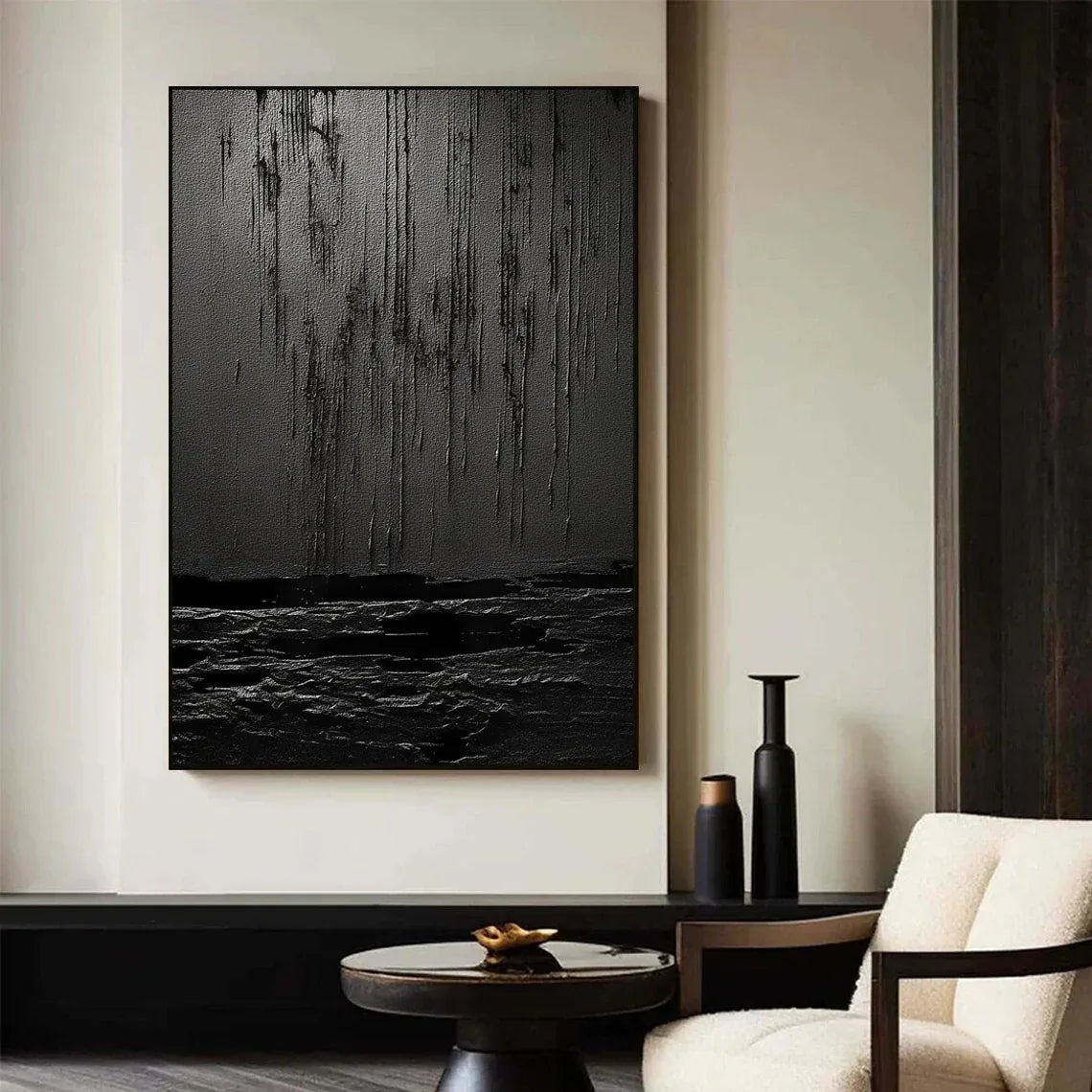
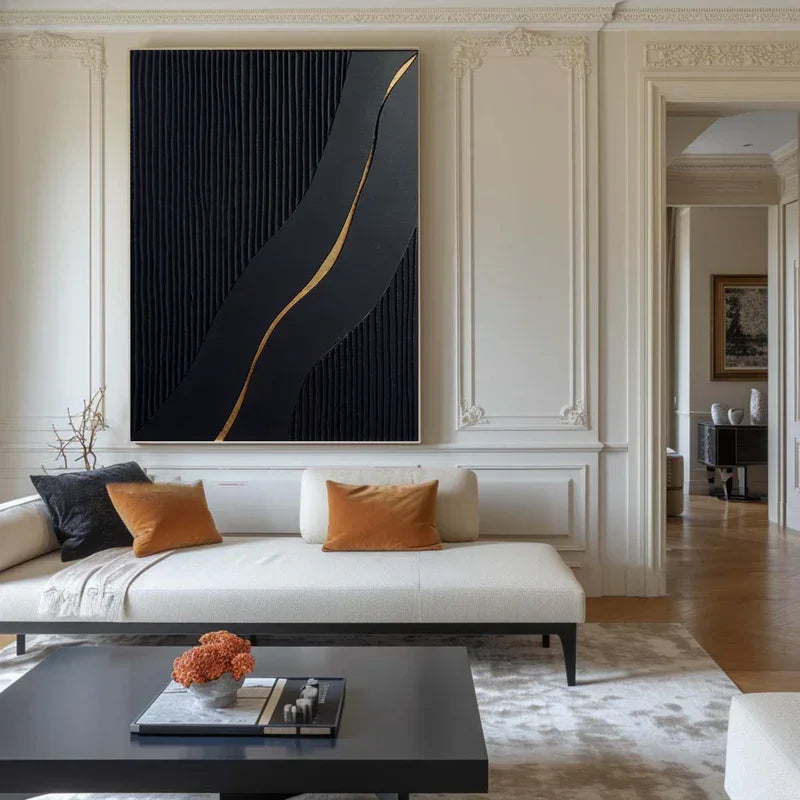
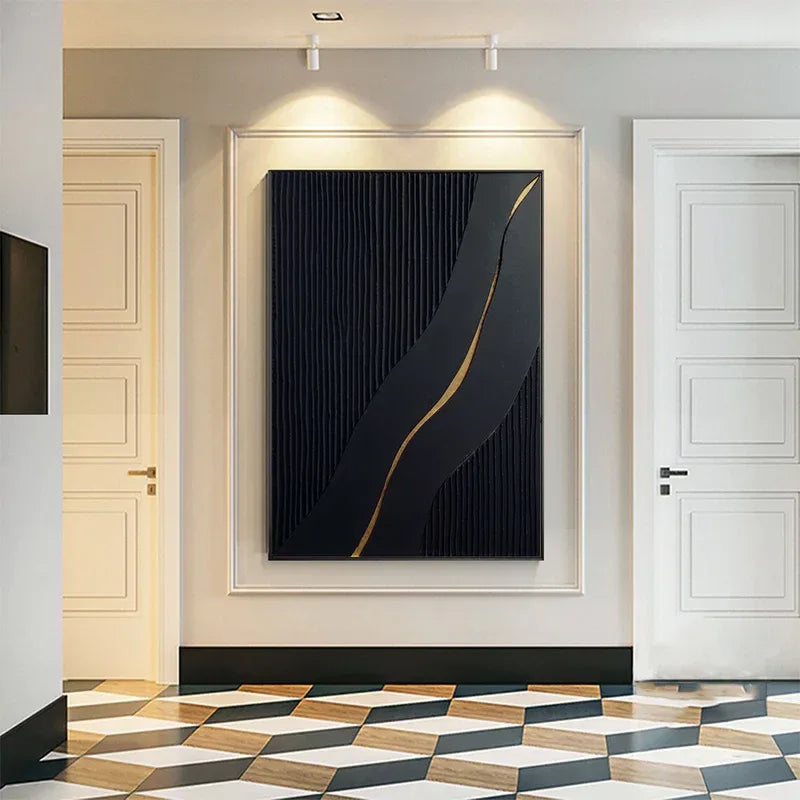
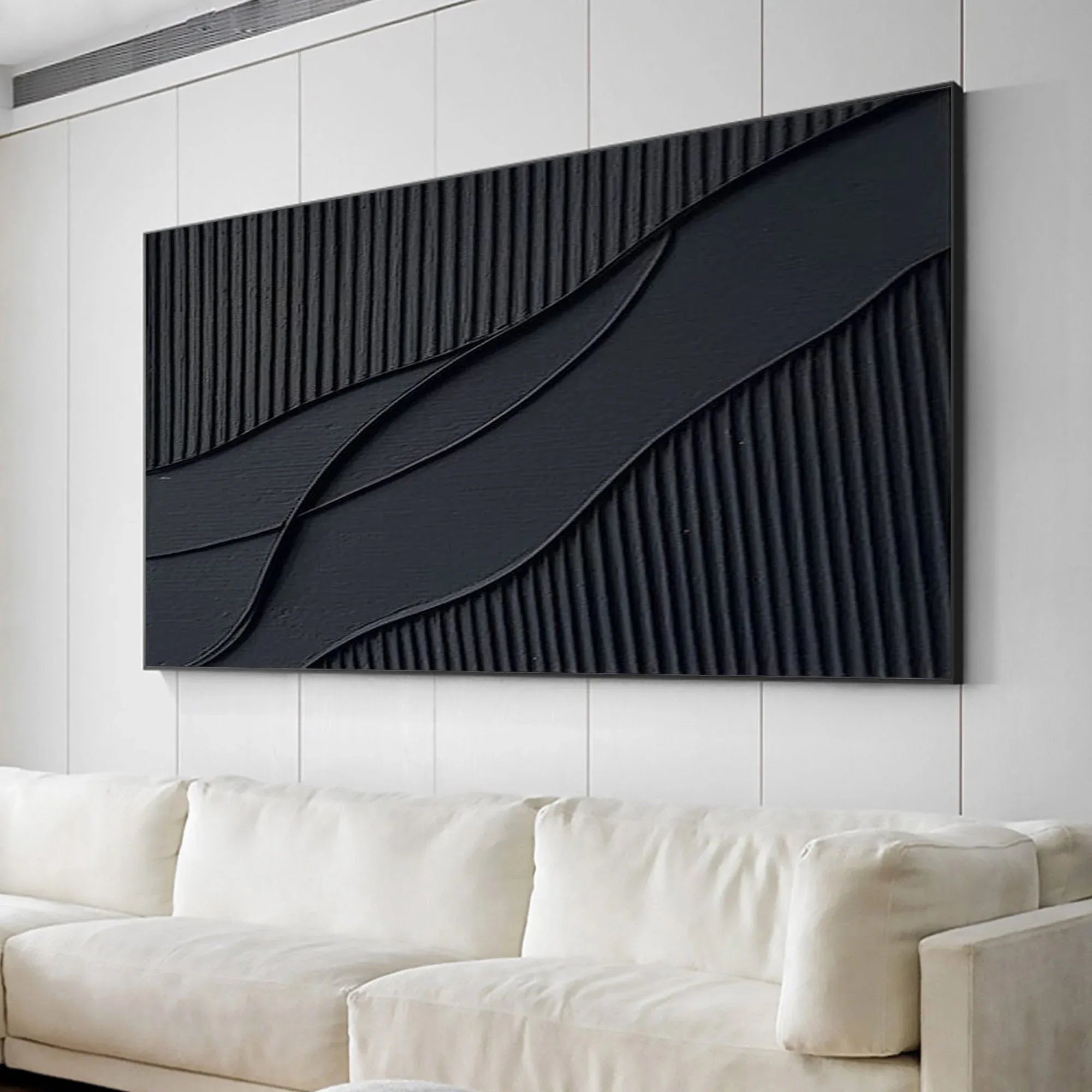
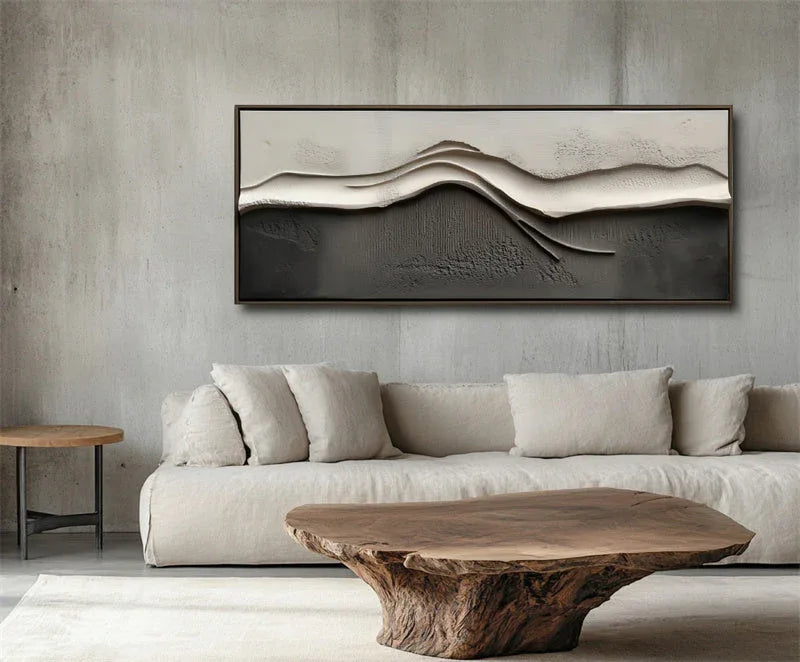
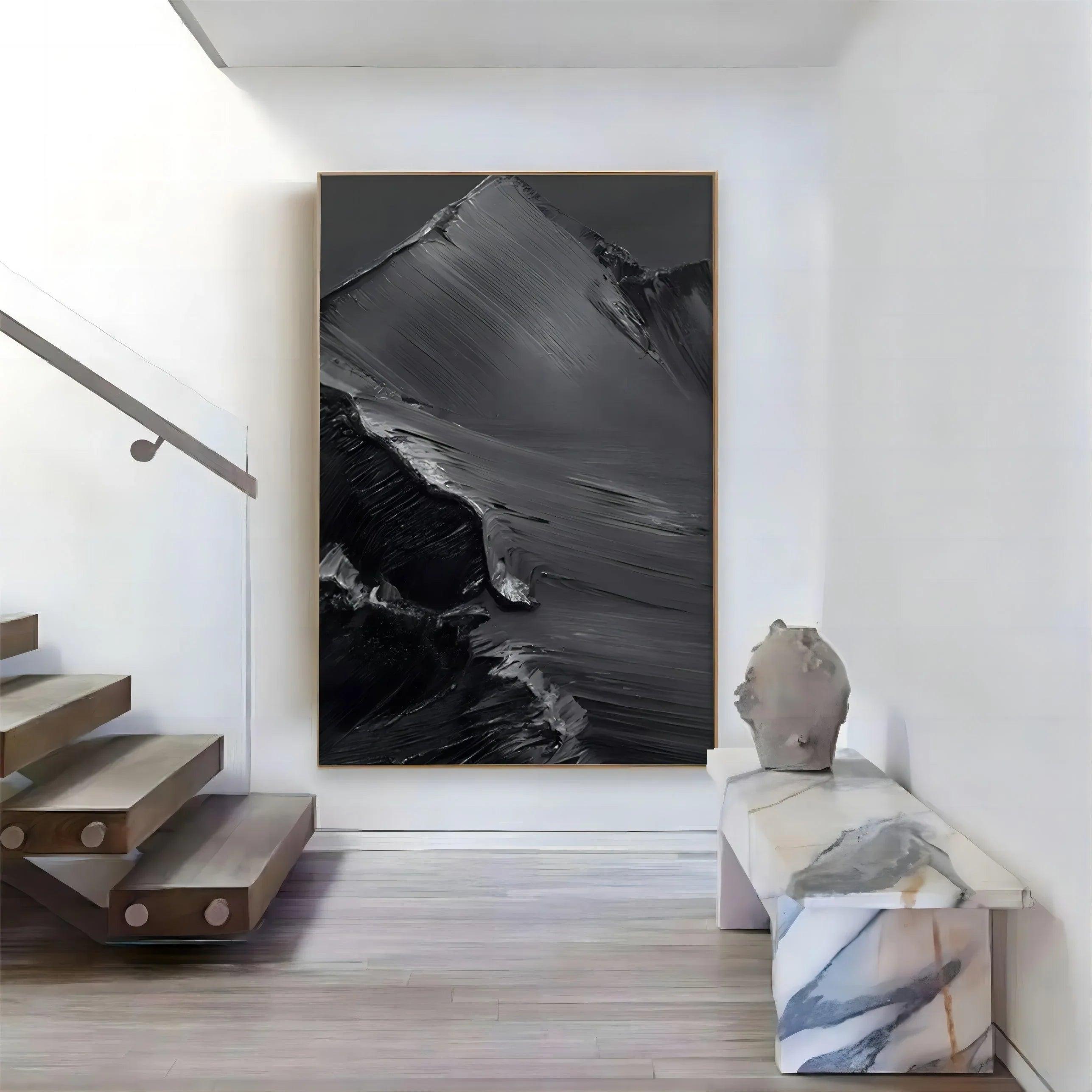
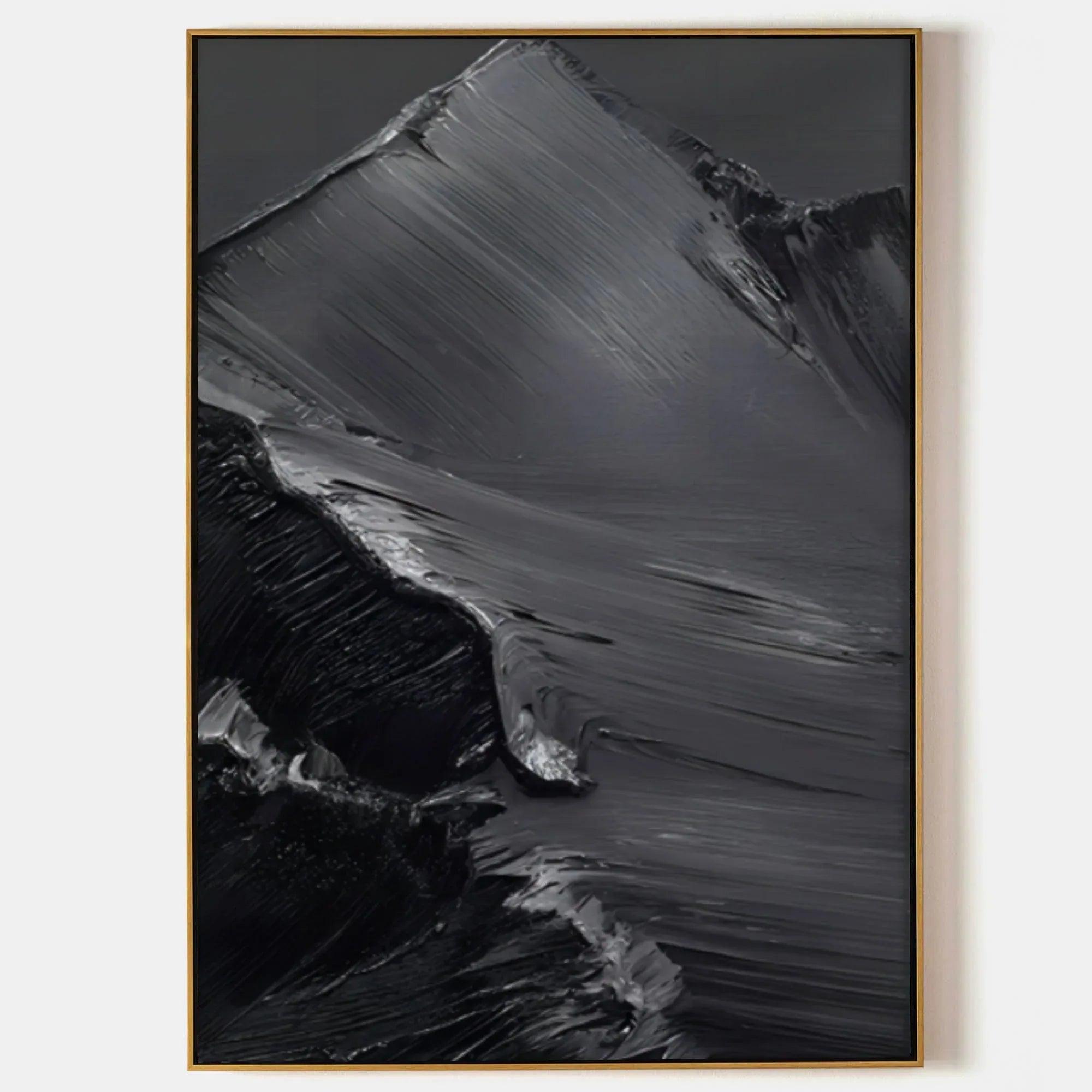
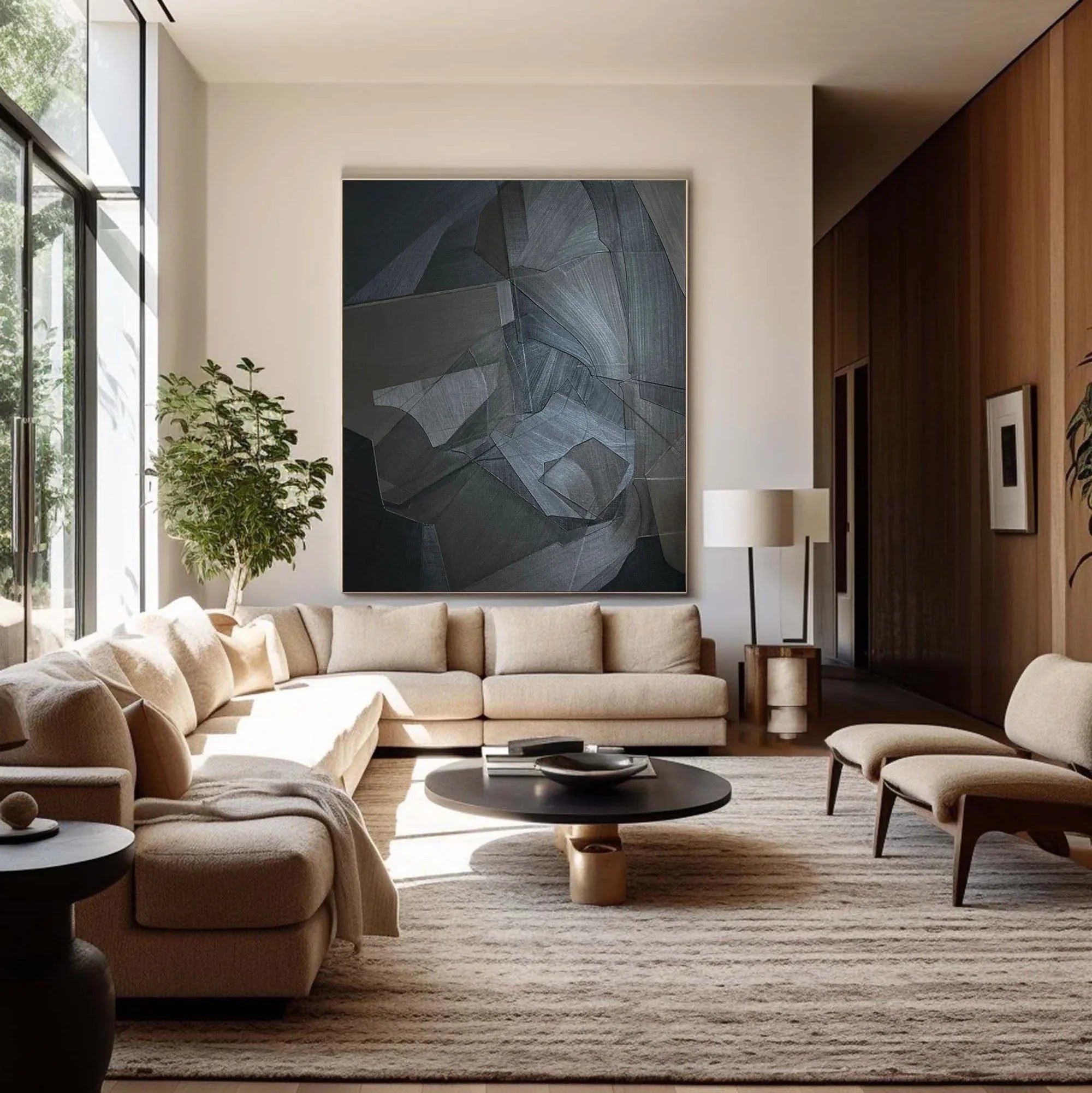
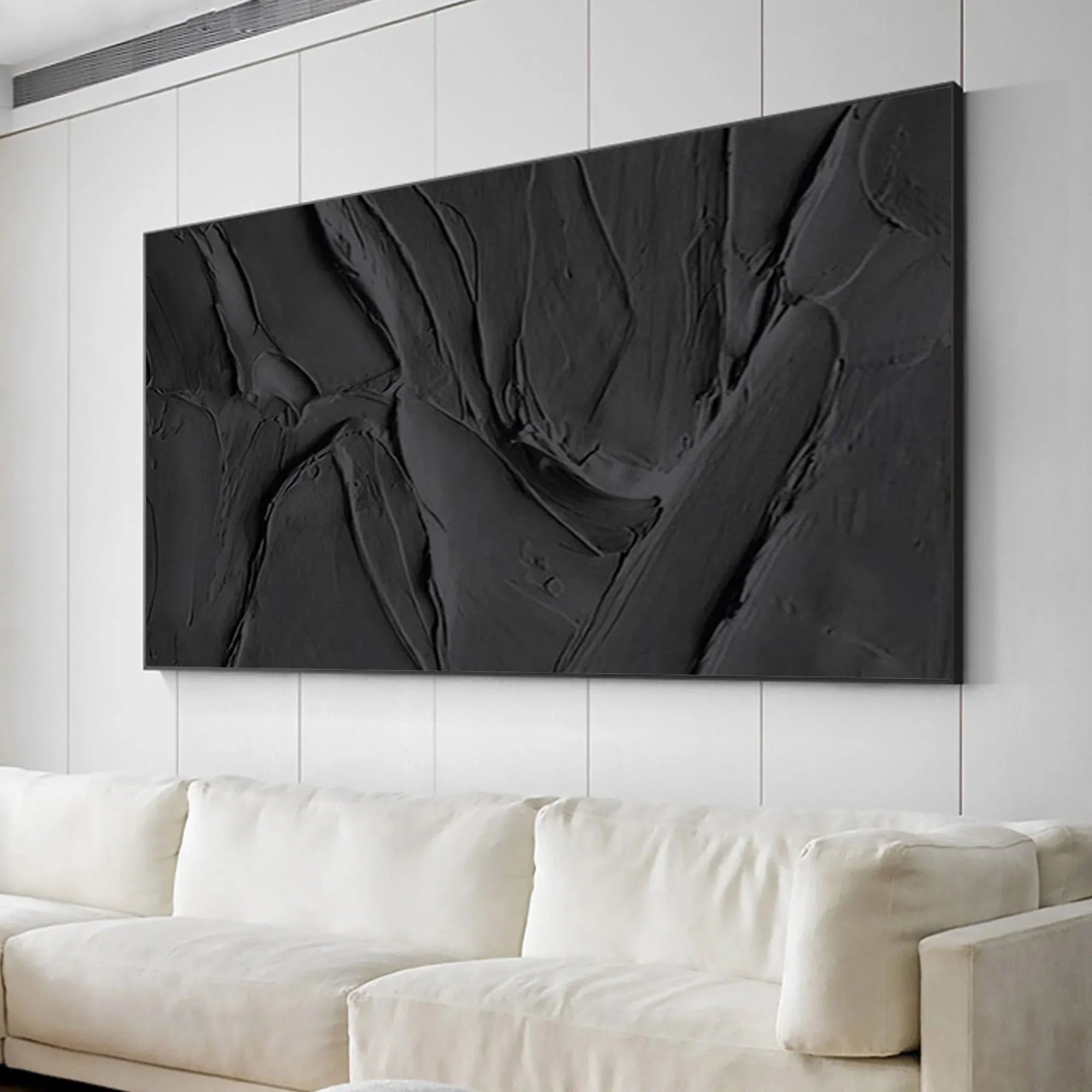
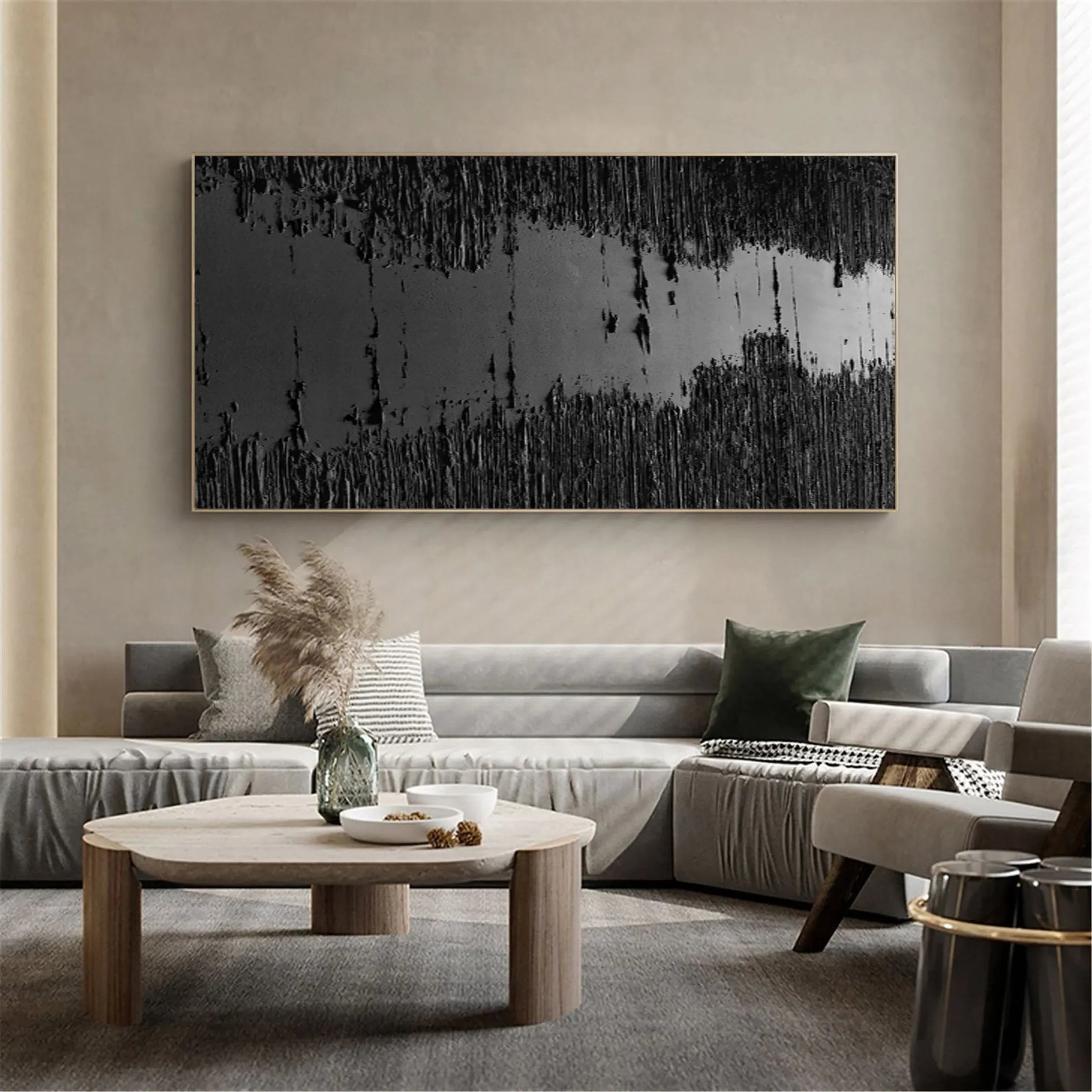
3D Textured Wall Art: Intricate, hand-applied linear fractures that celebrate the slow rhythm of nature, highly prized by professional designers. Explore dark, moody variations like the stark black white abstract cxa-001 or the deep elegance of our black minimalist abstract art2644.
-
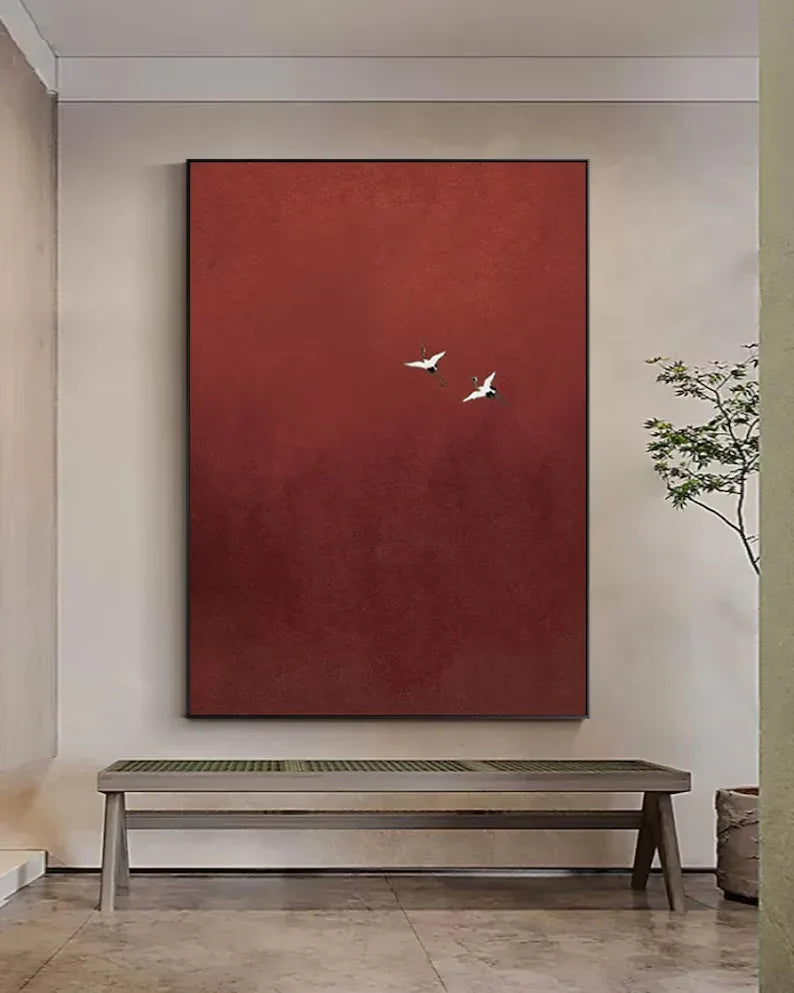
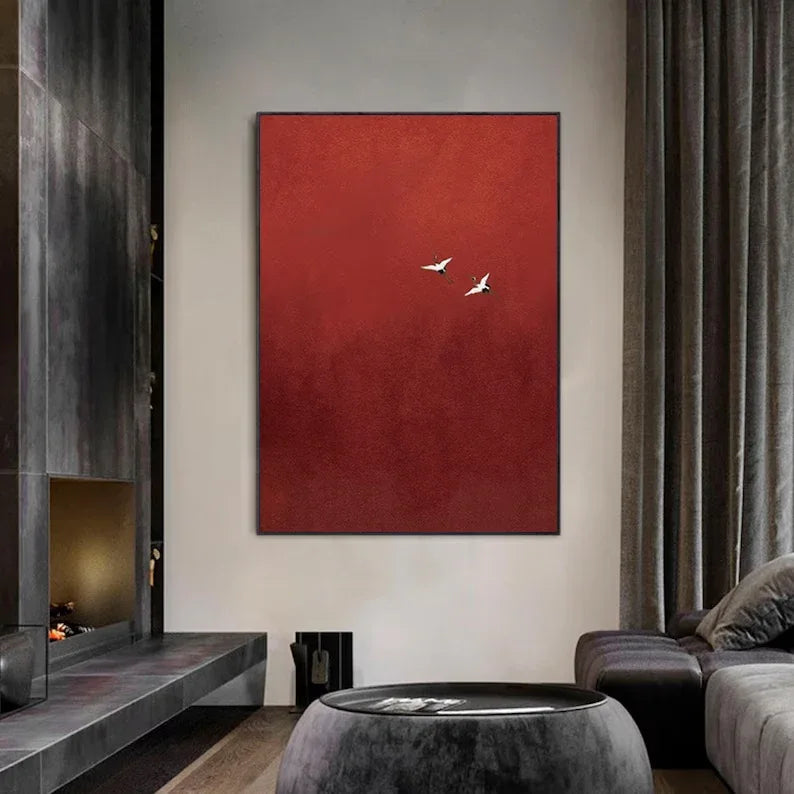
Rustic Minimalist Canvas Art: Distressed finishes and organic forms that break away from machine-made perfection. For a vibrant contrast to raw plaster, consider the bold surrealist crimson sky painting art2639.
4. Choosing Your Path to Serenity
Before making your final choice, consider these expert placement tips to maximize the functional and aesthetic energy of your space:
-
The Focal Alignment: Positioning our panels at eye level in dining rooms or tea salons creates a natural conversational anchor, with calming visual themes selected from our earthy landscape collection or stylized interpretations from our animal category.
-
Bedside Harmony: Centering a piece above a low-profile headboard or lounge chair amplifies a sense of restfulness and enhances acoustic intimacy, matching perfectly with delicate motifs from our flowers selection.
-
Workspace Serenity: For modern executive studios, investing in acoustic panels decorative enough to stand alone as museum-grade fine art ensures your workspace design remains focused, stress-free, and visually timeless.