
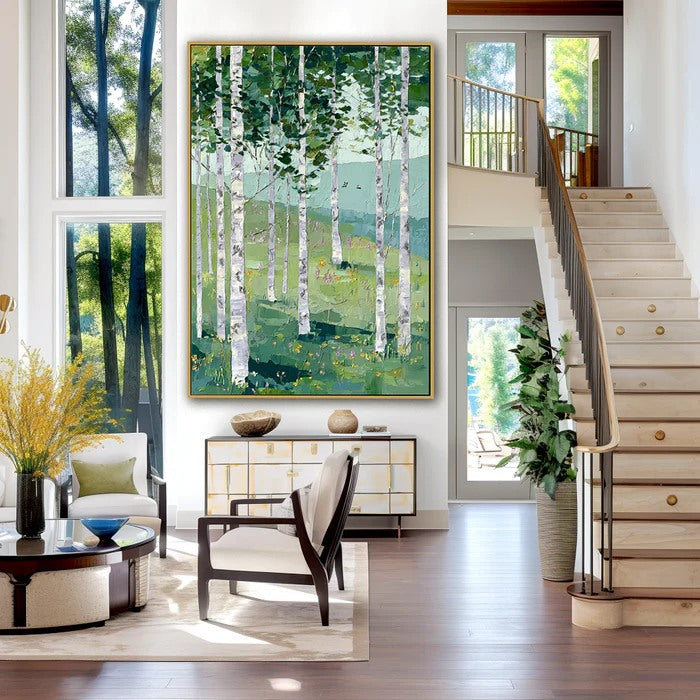
Color artwork plays a powerful role in shaping how we feel inside a space. Whether it’s a vibrant wall art display or a subtle colorful abstract canvas, the hues you surround yourself with can energize, relax, or inspire you. Today’s interior design trend focuses not only on furniture and layout but also on how art colors influence our daily emotions and mental wellbeing. Understanding color psychology allows you to choose artwork that harmonizes with your soft decor style while elevating the mood of your home.
The Science Behind Color and Emotion
Every color on the spectrum triggers a unique emotional response. Warm colors such as red, orange, and yellow are naturally stimulating—they bring warmth, energy, and passion to a room. Cool shades like blue, green, and lavender evoke calmness, clarity, and serenity. Neutral colors like beige, gray, or taupe ground your senses, offering balance amid bolder tones. When choosing color artwork for your walls, think of how you want to feel when entering that space: inspired, peaceful, or cozy.
Psychological studies from design research institutions show that living rooms dominated by cool blues encourage deep focus and conversation, while kitchens or creative studios with bright yellows enhance positivity and mental clarity. By combining color theory with the emotional language of art, you can transform even a neutral environment into an expressive, mood-driven sanctuary.
Matching Color Artwork to Interior Styles
Selecting artwork should always complement your interior palette. For minimalist spaces with white or gray tones, vibrant wall art featuring dynamic reds, oranges, or yellows injects vitality and movement. Modern lofts or industrial interiors benefit from colorful abstract canvas pieces blending turquoise and coral, adding contrast to metallic surfaces. In Scandinavian or Japandi decor, soft pastels and earthy tones maintain clean harmony while enhancing calm energy.
In a bohemian-style room, a colorful abstract landscape featuring layered brush textures in violet, emerald, and burnt sienna captures artistic spontaneity. Meanwhile, for classical interiors, large color artwork pieces using soft browns, golds, and muted greens evoke timeless sophistication. The key is proportion—choose one statement piece per major wall or coordinate smaller framed canvases that echo your existing palette tones for a cohesive flow.
At Artextured, we believe art should do more than decorate—it should transform spaces and inspire experiences. Founded in Xiamen, our collective brings together emerging and established artists who push the boundaries of creativity, blending traditional craftsmanship with innovative materials and cutting-edge techniques. Through our acoustic art and hand-painted textured canvas collections, we continue redefining the connection between visual aesthetics and inner emotional balance.
Market Trends: The Rise of Colorful Abstract Canvas
Over the past three years, online searches for color artwork and vibrant wall art have surged dramatically across home decor markets. Interior stylists report that buyers now seek artwork that reflects mood rather than trend. The colorful abstract canvas segment has grown due to its flexibility—it adapts to multiple decor styles and reflects personal emotion. Paintings dominated by saturated blues and radiant oranges are increasingly favored for living rooms and workspaces, as they combine optimism with focus.
Modern consumers appreciate artwork that feels personal yet modern, investing in large-format art prints or canvas paintings that act as both centerpiece and emotional anchor. This shift aligns with the growing emphasis on mindfulness in home design, where visual softness and emotional clarity are both prioritized.
Choosing the Right Color Artwork for Each Room
For living rooms, warm colors like terracotta, amber, or coral add vibrancy and stimulate connection, making them perfect for social areas. In bedrooms, soothing tones such as soft blues, greens, or lilacs encourage tranquility and deep rest. Dining areas glow with uplifting yellows or muted golds that spark conversation and appetite. Home offices benefit from teal or navy backgrounds—colors proven to enhance cognitive stability and creative thought.
Bathrooms and reading nooks flourish under natural or ocean-inspired palettes; turquoise and white combinations give freshness and calm. Entryways and hallways, often overlooked, become expressive through one bold piece of colorful abstract art that welcomes guests with personality and warmth.
Core Design Tips for Balancing Colors and Mood
Balance is key. Pair energetic artwork with neutral accessories to avoid overstimulation. Use gray sofas or beige rugs to let colorful abstract canvases shine. In contrast, if your walls already feature rich tones, select artwork that uses complementary hues or monochromatic gradients to achieve visual balance. Frame choice also matters—light wood frames amplify calm themes, while black or gold ones add drama and structure.
Texture enhances depth too. A hand-painted textured canvas adds tactile energy that flat prints can’t replicate, inviting both vision and touch. Layering multiple artworks in varying scales can unify an open-concept space, turning blank walls into expressive stories that evolve with the light throughout the day.
Real Case: Emotional Transformation Through Art
One homeowner in Singapore redesigned her neutral apartment by introducing a vibrant wall art series dominated by blue-orange contrasts. After installation, she reported improved motivation and reduced stress—an effect supported by research in sensory design, which links lively yet harmonious color contrasts to positive emotional activation. Similar transformations are common among users who replace static décor with dynamic, color-driven artwork tailored to personal feelings.
Competitor Comparison Matrix
FAQs
How does color artwork affect my emotional wellbeing?
Colors influence our brain’s emotional centers. Warm colors like red raise energy, while cool tones like blue reduce anxiety, helping you design spaces that mirror desired feelings.
What is the best color palette for a relaxing home?
Soft blues, sage greens, and muted neutrals promote serenity. Use colorful abstract canvases in these tones to generate peaceful energy without dulling visual interest.
Can vibrant wall art work in minimalist interiors?
Absolutely. Minimalist settings thrive on contrast. A large splash of color artwork can act as the centerpiece that brings life and depth to white or gray walls.
What size should my color artwork be for maximum impact?
Proportionality matters. Larger pieces anchor wide walls, while grouped smaller canvases create rhythm in compact rooms. Always ensure balance between art scale and furniture layout.
Future Trends: Emotive Color Harmony in Design
The next era of interior art emphasizes emotional personalization through AI-powered design recommendations that match wall colors, lighting, and psychological mood data. Art buyers will increasingly rely on dynamic color-changing canvases or sound-absorbing textured artworks to shape sensory environments. Emotional design and immersive art installations combining light, color, and material will define future living spaces.
As more people acknowledge the influence of color artwork on mental balance and soft furnishing harmony, homes will evolve into therapeutic sanctuaries. Whether through vibrant wall art in work zones or tranquil pastel canvases in bedrooms, the future of home aesthetics lies in harmonizing our visual world with our inner emotions—artwork not just seen, but felt.