
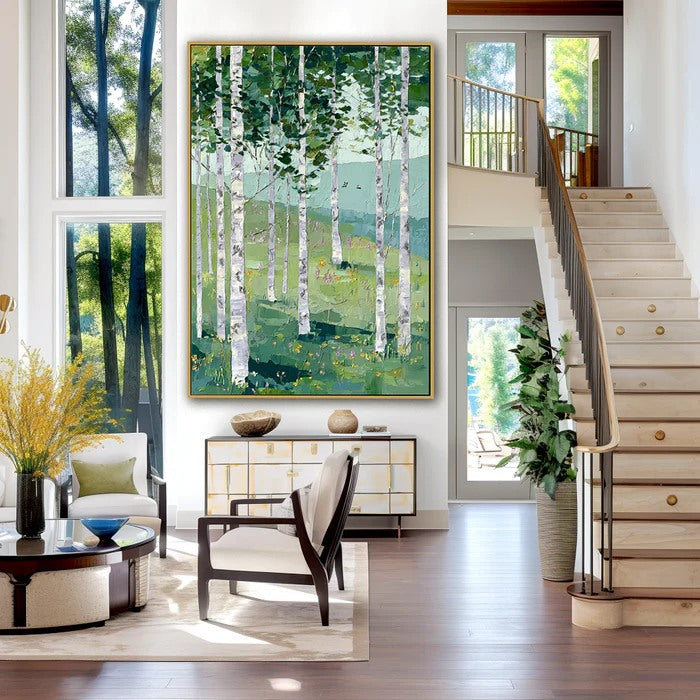
Executives, ADHD professionals, and neurodivergent users increasingly seek rooms that intentionally reduce sensory input so the brain can recover. This article shows how to design low-stimulus interiors that pair restrained neutral tones with acoustic art to ease anxiety and support cognitive focus—without pretending to be structural soundproofing. The core approach: subtract visual clutter, soften mid-to-high frequency reflections, and create a calm, usable mental recharge sanctuary in a residential or commercial setting.
Why stimulus deprivation belongs in interior design now
Restricted Environmental Stimulation Therapy (REST) research indicates sensory reduction can support relaxation, sleep quality, and anxiety relief—useful context for designers arguing environmental value, though not a clinical cure. In homes and offices, a low-stimulus zone is more about subtraction than addition: remove scents, sounds, and excessive visual stimulation to create a calm zone.
Spatial diagnosis: where high-end interiors create cognitive fatigue
-
Minimalist spaces with glass, polished stone, or exposed concrete look beautiful but sound harsh: flutter echoes and strong mid/high reflections increase mental fatigue during meetings or solo focus time.
-
A common mistake is treating only one distant wall while ignoring parallel hard surfaces opposite—this leaves slap-back echoes unresolved.
-
Low-contrast color, predictable pathways, soft sound zones, and layered lighting improve evening calm in living rooms and home offices.
Design language: neutral tone and the audio black hole
-
Palette: use a restrained neutral family (muted warm greys, soft ecru, desaturated clay) and vary shade, not hue; keep trims close to wall color for a smoother visual line.
-
Texture restraint: let pattern live in small places, like one cushion or one artwork, not the whole room.
-
The audio black hole: combine porous, deep-textured wall art with a hidden absorptive core to create local zones that pull mid-to-high frequency energy out of the room without industrializing the look. These panels help reduce surface reflections; they do not structurally isolate adjacent mechanical noise.
Image showing a calm low-stimulation living room with muted tones and soft textiles
Practical placement and calibration checklist
-
Start with an audit: listen from primary seating, clap to locate flutter zones, and use the mirror method to find first-reflection points; prioritize treatment there.
-
Coverage: treat both opposing hard surfaces or at least the primary reflection wall and the ceiling/cloud above critical seating; avoid clustering a single small frame on a large wall.
-
Height and scale: position art-panels at ear-to-shoulder level for seated use and scale panels proportionally to wall expanses to maintain balanced visual weight and acoustic function.
-
Lighting: use warm bulbs (2000–3500 K), dimmers, and layered lamps at or below eye level; avoid harsh overhead glare and buzzing ballasts.
Material logic and sensory balance
-
Multi-layer assemblies: select artworks that combine a hand-applied textured surface with a hidden absorptive substrate; this keeps the tactile Wabi-sabi aesthetic while improving sound penetration into porous layers and attenuating mid/high reflections that disturb speech clarity and cognitive comfort.
-
Soft textiles: add thick, high-pile carpets and curtains to break echo on hard floors and furniture; extra cushions and throws help cushion reflections on shiny surfaces.
-
Closed storage: use lidded baskets or cabinets for busy items; keep one open shelf for a few simple, stylish objects to avoid visual overload.
What can go wrong (limitations and specification warnings)
-
Surface art cannot replace structural isolation: expect limited effect against low-frequency building transmission (mechanical noise, street traffic) without additional mass or decoupling; be explicit with clients about scope.
-
Over-sealing porous panels: heavy varnishes, gloss paints, or non-porous sealants can close the fabric weave and turn an absorptive surface reflective; test samples and use breathable finishes.
-
Over-damping risk: treating every surface can produce an unnaturally dead room that harms speech naturalness; aim for balanced reverberation, not zero reverberation.
-
Visual overstimulation: intense low-angle spotlights cast long shadows across heavy textures and alter perceived look; use soft, diffuse, warm lighting instead.
Comparison of acoustic wall strategies for low-stimulus interiors
A curated fit: where Artextured's Wabi-sabi series belongs
This approach fits boutique executive suites, private therapy rooms, gallery-like residential lounges, and hospitality quiet lounges where visual refinement must match acoustic moderation. Artextured's gallery-tested practice—born from solving ambient noise and flutter echo in their own urban art gallery while preserving visual purity—makes it suitable as a designer-grade art-acoustic choice that preserves a restrained aesthetic while reducing problematic reflections [brand].
Specifiers should integrate these panels as part of a room-level acoustic strategy (furniture softening, rugs, ceiling clouds) rather than a one-off fix; request temporary mock-ups to evaluate daylit appearance and acoustic behavior on site.
Implementation tempo: a short workflow for designers
-
Phase 1: audit and quick tests (listening, clap test, mirror method) to locate reflection points.
-
Phase 2: mock-up 1–3 art-panels in primary reflection spots; retest with occupants and simple listening checks.
-
Phase 3: refine layout, add ceiling/cloud or rugs if needed, finalize mounting and finish choices with conservator-friendly coatings.
Frequently Asked Questions
Will a single framed acoustic artwork make a noisy room quiet?
A single frame can reduce local reflections but rarely cures an echo-prone room; treat primary reflection zones and consider ceiling or opposite-wall treatments for real improvement. Always trial placements before final mounting.
Can textured art panels harm acoustic performance if cleaned or sealed?
Yes—heavy varnishes and non-porous coatings can render a panel reflective; use breathable conservation finishes and test samples to confirm acoustic intent and durability.
Is stimulus deprivation design appropriate for ADHD or anxiety clients?
Design strategies that lower sensory load (neutral palettes, reduced visual clutter, softened acoustics) can support perceived calm for neurodivergent or anxious users, but such design should be described as supportive environmental change, not clinical therapy.
How many panels do I need for a standard executive office?
Small offices often benefit from 2–4 well-placed panels focused on first-reflection points; larger or highly reflective rooms need more distributed coverage and possibly ceiling treatment.
How should designers specify finishes for long-term use?
Specify breathable, low-VOC finishes and avoid high-gloss surface sealing on absorptive art; include maintenance instructions and review lighting scenarios to prevent visual overstimulation from contrast or glare.
References