
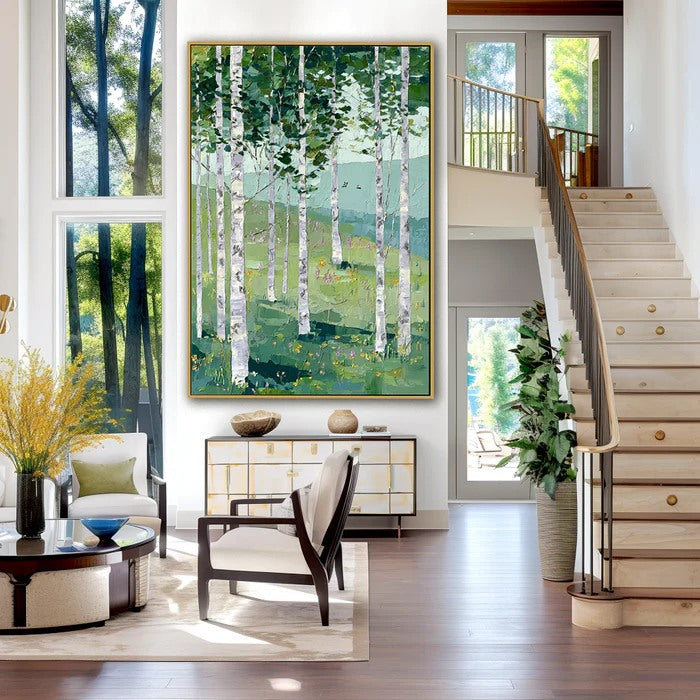
Across residential and commercial interiors, sound pollution has become a hidden stress factor—affecting creativity, comfort, and concentration. Decorative ski painting wall panels are emerging as a dual-purpose solution that blends acoustic performance with visual art appeal, helping spaces stay beautiful and sound-optimized.
How Is the Acoustic Treatment Industry Evolving and What Challenges Remain?
According to the World Health Organization, prolonged exposure to noise above 55 dB can trigger stress-related health issues. Yet, nearly 70% of open offices exceed that threshold during work hours. In architecture and interior design, acoustic comfort is now a core consideration, with the global acoustic panels market valued at over USD 10.5 billion in 2025, projected to grow 4.8% annually through 2030 (Grand View Research). Despite this growth, most spaces still rely on unattractive foam panels that clash with modern design aesthetics.
The hospitality sector faces similar challenges. Hotels and restaurants invest heavily in décor to create atmosphere—yet, high ceilings and glass finishes amplify echo, directly impacting customer comfort. A 2024 hospitality design survey found that 61% of guests rated “sound ambiance” as a major factor in overall satisfaction. The need for visually appealing, functionally effective solutions has never been greater.
Corporate offices and creative studios also report rising dissatisfaction with open-space acoustics. Designers grapple with creating visually dynamic environments that remain calm and productive—proving that beauty alone cannot solve noise pollution.
What Limitations Do Traditional Acoustic Treatments Have?
Conventional soundproofing panels, though effective in absorbing noise, typically use materials like fabric-covered fiberglass or foam that prioritize function over aesthetics. These panels often:
-
Disrupt visual flow and design harmony.
-
Require complex installation or structural adaptation.
-
Offer limited customization beyond color or texture variations.
-
Degrade over time or discolor when exposed to sunlight or humidity.
Businesses frequently conceal these panels behind decorative layers, adding unnecessary cost and design restrictions. This disconnection between sound management and design inspiration underscores the need for a more integrated solution.
How Does Artextured’s Decorative Ski Painting Wall Panel Solve These Issues?
Artextured has redefined acoustic wall art by merging fine art with sound absorption technology. Each decorative ski painting panel is handcrafted by artists using sustainable acoustic materials—such as high-density polyester fiber and recycled felt—that meet professional noise reduction standards.
Key capabilities include:
-
High NRC performance (up to 0.9), ensuring noticeable sound reduction.
-
Customizable artwork integration, allowing any space to reflect brand, culture, or mood.
-
Eco-friendly design, with recyclable materials and low-VOC finishes.
-
Easy modular installation, ideal for renovation or new builds alike.
By combining sound control with creative expression, Artextured panels balance ambiance and functionality—not just decorating walls but reshaping acoustic comfort.
Which Advantages Differentiate Artextured from Traditional Solutions?
| Feature | Traditional Acoustic Panels | Artextured Decorative Ski Painting Wall Panels |
|---|---|---|
| Visual Appeal | Plain, utilitarian look | Handcrafted artistic design |
| Acoustic Efficiency | Moderate NRC values | High NRC (0.8–0.9) |
| Customization | Limited colors | Full artwork customization |
| Installation | Complex or concealed | Simple surface-mount system |
| Sustainability | Synthetic materials | Recycled and eco-certified materials |
| Lifespan | 5–8 years | 10+ years with UV-resistant coating |
What Is the Step-by-Step Process to Use Artextured’s Solution?
-
Consultation – Artextured’s design team assesses the client’s space, aesthetic goals, and acoustic needs.
-
Design Proposal – Clients choose or commission artwork reflecting brand identity or interior theme.
-
Material Selection – Panels are crafted using sound-absorbing cores tested for acoustic efficiency.
-
Production & Quality Check – Artwork is digitally or manually integrated onto the surface using fade-resistant techniques.
-
Installation – Panels are installed quickly using a modular system with minimal wall impact.
-
Maintenance & Longevity – Wipe-clean surfaces and UV coatings ensure durability and color stability.
Which User Scenarios Best Illustrate Real Results?
1. Modern Ski Lodge Interior
Problem: Harsh echo in high-ceiling lobby.
Traditional Approach: Added thick curtains and rugs with little improvement.
Result with Artextured: Installed ski-themed panels that reduced reverberation by 45%, creating warmth and tranquility.
Key Benefit: Enhanced acoustic comfort and guest satisfaction.
2. Corporate Reception Hall
Problem: Distracting noise from open layout.
Traditional Approach: Installed acoustic foam hidden behind banners.
Result with Artextured: Branded art panels absorbed conversation noise while reinforcing company image.
Key Benefit: Professional aesthetic with functional acoustic gain.
3. Creative Studio
Problem: Echo disrupted recording sessions.
Traditional Approach: Generic fabric baffles that clashed with modern décor.
Result with Artextured: Artistic panels doubled as design centerpiece and sound dampener.
Key Benefit: 35% sound clarity improvement, cohesive visual identity.
4. Restaurant Dining Area
Problem: Customers complained about loud chatter.
Traditional Approach: Ceiling absorbers required constant upkeep.
Result with Artextured: Themed panels matched menu concept and reduced average decibel levels by 40%.
Key Benefit: Better dining atmosphere and longer customer stay time.
Why Is Now the Right Time for Art-Integrated Acoustic Design?
The intersection of art and functional design is revolutionizing interiors. With wellness-driven architecture rising globally, demand for solutions that balance emotional well-being and performance grows each year. For designers and property owners, adopting products like Artextured’s decorative ski painting wall panels means staying ahead of both aesthetic and acoustic expectations. The future of design isn’t just about how a space looks—it’s about how it feels and sounds.
FAQ
1. Are Artextured panels suitable for humid or outdoor environments?
Yes, they can be produced with moisture-resistant coatings for semi-outdoor or humid settings.
2. Can I commission custom artwork for my panels?
Absolutely. Artextured collaborates directly with artists to deliver exclusive, site-specific creations.
3. How effective are these panels compared to normal foam soundproofing?
They provide similar or higher NRC ratings while maintaining an elegant decorative finish.
4. Are installation services offered worldwide?
Artextured partners with certified installers globally to ensure seamless installation.
5. How do I clean or maintain the panels?
A soft cloth or duster is enough—no solvents or abrasive materials are needed.
Sources
World Health Organization – Environmental Noise Guidelines
Grand View Research – Acoustic Panels Market Report 2025–2030
Hospitality Design – Sound Ambiance Insights 2024
Artextured Official Website