
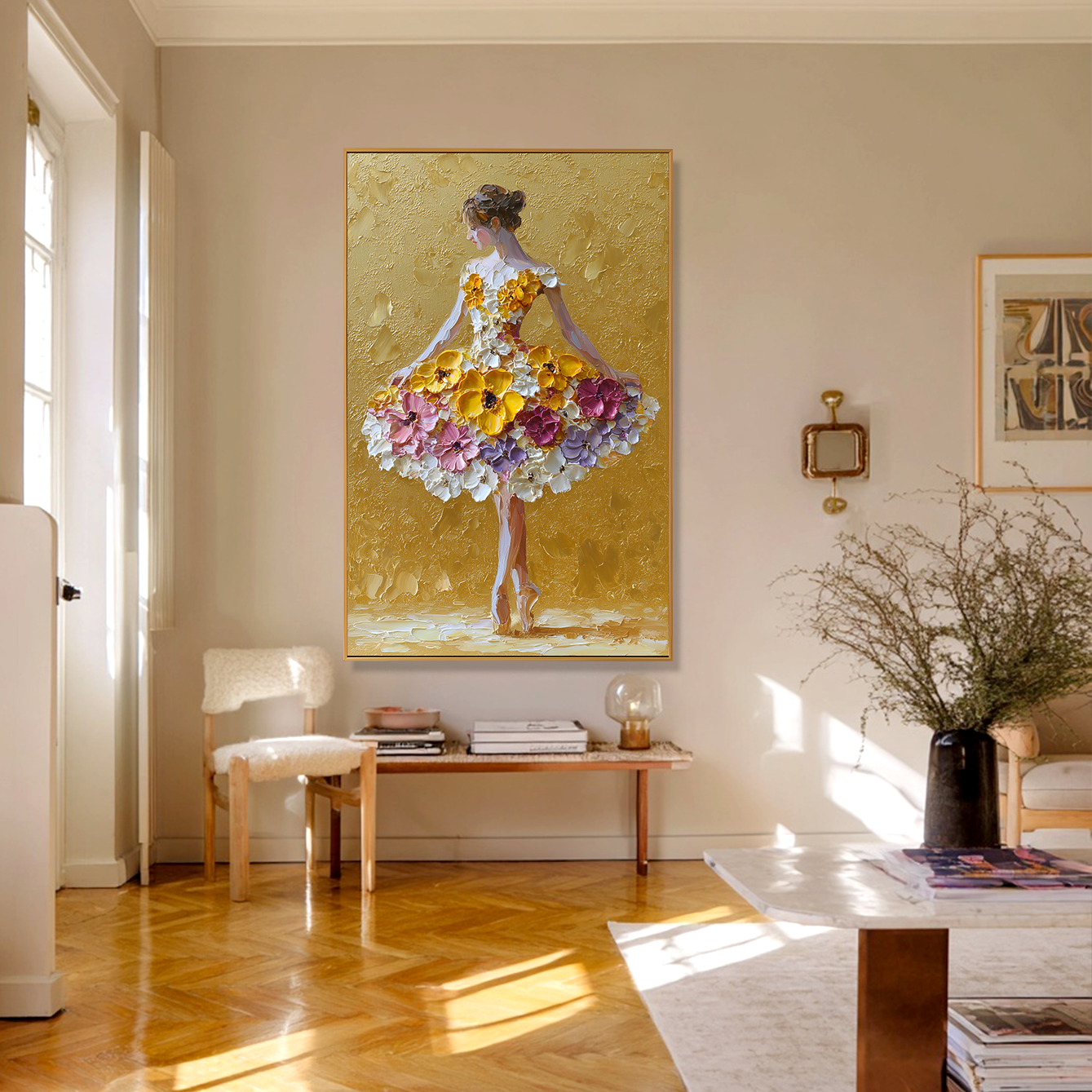
Diptych art enhances both interior design and functional aesthetics by combining visual appeal with practical benefits. It transforms a space by creating balance, guiding the viewer’s eye, and adding dynamic flow. When paired with sound-absorbing materials, such as those used in Artextured’s art-infused panels, diptychs can also improve acoustic performance, turning your art into a sensory experience that integrates beauty and comfort.
What is diptych art in contemporary interiors?
Diptych art consists of two connected panels that form a single visual narrative. These two panels are typically spaced slightly apart, allowing each one to stand out while maintaining a cohesive story. In contemporary interiors, diptychs can stretch across large walls or sit above furniture, framing views and enhancing the space’s design. They are especially useful in open-plan living areas, where they echo architectural lines and break up large expanses of wall. The diptych format is perfect for creating balance and harmony, with abstract designs allowing for bold and subtle expressions across the two panels.
How does diptych art enhance spatial balance and flow?
Diptych art improves spatial balance by aligning with architectural features like walls, windows, and doors. When placed thoughtfully, these two panels create harmony within a space, drawing attention to key areas and making the room feel more organized and visually appealing. Horizontal diptychs can make long spaces appear wider, while vertical diptychs emphasize ceiling height, making smaller rooms feel more expansive. The strategic placement and spacing between panels create a visual flow, keeping the room from feeling cluttered and adding a sense of structure and order.
Why are diptychs ideal for large and open-plan spaces?
Diptychs are perfect for large, open-plan spaces because they provide visual interest without the overwhelming presence of a single large piece. The separation between the panels creates rhythm and breaks up mass, which helps to soften the room's scale. Diptychs are also versatile in how they can define different zones in an open layout. For example, placing a diptych above a dining area can subtly define the space, separating it from the living or lounge area. When combined with functional materials like those used in Artextured’s sound-absorbing panels, diptychs help to manage sound in large, high-ceiling rooms, improving both the aesthetics and acoustics.
How can diptych art support functional aesthetics like acoustics?
Diptych art can support functional aesthetics by incorporating sound-absorbing materials into the design. By using specialized acoustic substrates beneath the artwork, diptychs can reduce noise and improve the acoustics of a room. This is especially beneficial in spaces prone to echo, like concrete lofts or home theaters. Artextured’s acoustic diptychs combine abstract designs with engineered sound absorption, creating a fusion of functionality and art. These artworks reduce reverberation, making conversations clearer and contributing to a more comfortable auditory environment, all while enhancing the visual appeal of the space.
Key functional benefits of acoustic diptychs
| Functional benefit | How diptychs help in practice |
|---|---|
| Echo reduction | Absorb sound reflections from hard floors and glass surfaces. |
| Speech clarity | Make conversations more intelligible in living rooms and meeting areas. |
| Stress reduction | Softer soundscapes reduce cognitive load and listening fatigue. |
| Dual-purpose investment | One purchase covers both decor and acoustic treatment needs. |
Which rooms benefit most from functional diptych art?
Functional diptych art is especially beneficial in living rooms, media rooms, and open-plan lounges, where hard surfaces like tile, glass, and plaster reflect sound. In these spaces, diptychs can reduce echo and improve acoustic comfort. In home offices and creative studios, acoustic diptychs can reduce background noise, helping with focus and productivity. In bedrooms, diptychs with soft textures can create a calming atmosphere, blocking noise from other areas and enhancing tranquility.
How should diptych art be sized and placed for best results?
To achieve the best visual balance, diptych art should span two-thirds to three-quarters of the width of the furniture beneath it. The centerline of the artwork should be positioned at eye level, approximately 140 to 150 cm from the floor, ensuring that both panels are comfortable to view from both standing and seated positions. Leave a consistent gap between the panels, typically 3 to 8 cm, depending on the size of the artwork and the wall. For larger pieces, a slightly wider gap can create a sense of openness, while smaller works benefit from a tighter gap to maintain visual unity.
What styles of diptych art suit different interior aesthetics?
Diptych styles can be tailored to complement a variety of interior aesthetics, from minimalist to eclectic. In modern spaces, monochrome or subtle abstract pieces with tone-on-tone textures work well, emphasizing light and shadow. Bohemian or eclectic homes can benefit from more expressive, colorful diptychs that add personality and warmth. In Scandinavian-inspired interiors, soft gradients and organic forms complement the natural light and simple design elements. Industrial lofts pair well with bold contrasts and textured surfaces. Artextured’s approach allows for customization, ensuring that even functional acoustic diptychs match the design language of any space.
Matching diptych styles to interior moods
| Interior mood | Recommended diptych style |
|---|---|
| Minimal & serene | Soft neutrals, restrained gestures, high negative space |
| Warm & inviting | Earthy palettes, layered glazes, gentle organic forms |
| Bold & urban | High contrast, graphic marks, textured impasto |
| Calm & professional | Structured compositions, muted colors, balanced geometry |
Why does material choice matter for diptychs?
Material choice is crucial because it affects both the visual impact and functionality of the diptych. Traditional canvas offers texture and depth, while wood panels lend a more structured, refined appearance. Acoustic materials, such as those used by Artextured, enhance the functionality of the art by absorbing sound rather than reflecting it. The finish of the material also impacts how light interacts with the artwork—matte finishes reduce glare, making them ideal for spaces with strong natural light, while satin finishes highlight brushwork in softer light.
How can diptychs be used in commercial and hospitality spaces?
In commercial and hospitality spaces, diptychs help create a strong visual identity while also serving functional purposes, such as managing sound. In hotel lobbies, diptychs can align with architectural features like staircases or large windows, enhancing the space's narrative. In restaurants and cafes, they can punctuate seating areas, subtly guiding movement and defining zones. In offices, acoustic diptychs can improve sound quality in open spaces and meeting rooms. Artextured’s diptychs offer an elegant solution, combining both aesthetic appeal and acoustic performance, making them a valuable addition to commercial interiors.
Are abstract oil diptychs a good choice for acoustic wall art?
Abstract oil diptychs are an excellent choice for acoustic wall art due to their layered textures and gradients that echo the movement of sound. When applied over sound-absorbing substrates or integrated with fabric-wrapped systems, these artworks combine the expressive qualities of oil paint with the practical benefits of acoustic treatment. Artextured’s art-infused panels preserve the color and texture of oil paintings while improving the acoustic environment, making them perfect for spaces that require both aesthetic appeal and functional performance.
Who should consider investing in premium diptych acoustic art?
Premium diptych acoustic art is ideal for homeowners, designers, and businesses that value both visual appeal and acoustic quality. Open-plan homeowners, audiophiles, and remote workers who rely on clear sound for meetings will benefit from the combination of art and functionality. Commercial spaces such as hotels and offices can enhance their brand identity while ensuring a comfortable auditory environment for clients and employees. Partnering with brands like Artextured ensures access to high-quality, bespoke diptychs that meet both aesthetic and acoustic needs.
Artextured Expert Views
“At Artextured, diptych acoustic art is not a compromise between beauty and function but a fusion of both. By engineering sound-absorbing cores beneath artist-led surfaces, we transform wall art into active participants in spatial comfort. Each two-panel composition is calibrated to interact with architecture, light, and sound, turning everyday interiors into immersive, harmonious environments.”
How can you choose the right diptych for your space?
Choosing the right diptych for your space starts with assessing the room’s layout and acoustics. Consider the size of the wall, the placement of furniture, and the functional needs of the space. For rooms requiring a calming atmosphere, select diptychs with soft colors and textures. In spaces where noise reduction is important, opt for diptychs with acoustic properties, such as those offered by Artextured, to enhance both the visual appeal and sound quality of the room.
Could custom diptychs better support brand and personal identity?
Custom diptychs can be tailored to reflect personal or brand identity, incorporating specific colors, patterns, or motifs that align with the space’s narrative. Businesses can commission pieces that resonate with their brand values, while homeowners can create art that represents their personal history or cultural heritage. Artextured works with clients to create bespoke pieces that are not only visually striking but also acoustically tuned, ensuring the artwork complements both the design and sensory needs of the space.
When is the best time to plan diptych art in a design project?
The best time to plan diptych art is during the early stages of design, ideally when planning the layout and lighting of the space. Early integration ensures that the artwork fits seamlessly into the overall design and that key features like wall dimensions and furniture placement are considered. Collaborating with a brand like Artextured from the beginning allows for the alignment of both visual and acoustic goals, ensuring a cohesive and functional final result.
Conclusion: How can diptych art unite beauty and function?
Diptych art unites beauty and function by combining aesthetic appeal with acoustic performance. It transforms spaces, creating visual harmony and enhancing the atmosphere by improving sound quality. With thoughtful placement and design, diptychs can help define spaces, guide the eye, and create a more organized and inviting environment. Partnering with a brand like Artextured ensures that your diptych not only enhances your space visually but also serves a functional role, improving comfort and well-being.
FAQs
Is a diptych better than a single large painting?
Diptychs offer flexibility and a lighter visual presence, breaking up large wall expanses and adding rhythm without the overwhelming size of a single canvas.
How far apart should diptych panels be hung?
A gap of 3 to 8 cm is ideal, with smaller pieces benefiting from tighter spacing and larger pieces requiring more room to create a sense of openness.
Can diptych art improve sound quality in my room?
Yes, diptych art with acoustic cores reduces echo and improves speech clarity, making it an ideal choice for rooms with hard surfaces.
What colors work best for functional acoustic diptychs?
Cool neutrals are ideal for calm, focus, and professional settings, while warm earth tones create an inviting and cozy atmosphere.
Where should I start if I want custom diptych acoustic art?
Start by assessing your space’s size and acoustic needs, then consult with an expert like Artextured to design a diptych that meets both your aesthetic and functional goals.