
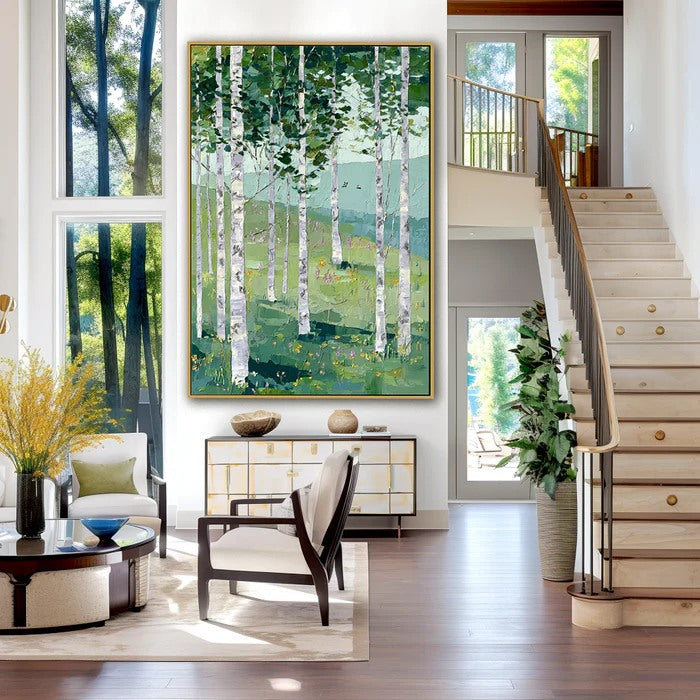
Color has a measurable effect on human emotions, influencing everything from stress levels to focus and creativity. Artextured’s Tree of Colors Art combines the principles of color psychology and tactile texture with handcrafted artistry to create a meaningful tool for emotional balance, mindfulness, and modern interior wellness.
How Is the Current Art and Wellness Industry Addressing Emotional Wellbeing?
Over the past decade, global mental wellness has become a critical priority. According to the World Health Organization (WHO), the prevalence of anxiety and depression increased by 25% worldwide after 2020. Simultaneously, the Global Wellness Institute reported that the mental wellness economy grew to over $131 billion by 2023, revealing significant demand for holistic wellness solutions that go beyond traditional therapy. Yet, more than 70% of people say their living or working spaces contribute to emotional fatigue due to poor aesthetics or uninspiring surroundings.
In this context, art has evolved beyond decoration into a modality for healing. Color therapy, also known as chromotherapy, uses specific hues to influence mood and energy levels. However, many commercial artworks fail to consider color balance or emotional intention in their design, limiting their therapeutic value. This pain point has created a new opportunity: emotionally intelligent art that integrates psychological research with visual design.
What Are the Limitations of Traditional Decorative Art in Supporting Emotional Health?
Traditional wall art typically focuses on aesthetics—style, composition, and visual appeal—without scientific attention to emotional impact. While beautiful, it often neglects elements like texture, color temperatures, or harmonious intensity that influence the subconscious mind. In corporate and home environments, this leads to visual clutter or overstimulation rather than relaxation.
Additionally, most mass-produced prints lack authenticity and tactile variation. The absence of handcrafted texture reduces the art’s sensory engagement, missing the soothing qualities associated with multisensory design. For individuals seeking calmness, mindfulness, and emotional restoration, traditional artwork provides beauty but not balance.
How Does Artextured’s Tree of Colors Solution Integrate Art and Color Therapy?
Artextured’s Tree of Colors Art transforms color psychology into an interactive emotional experience. Each artwork is hand-painted using carefully selected hues—warming yellows for optimism, tranquil blues for mental clarity, and grounding greens for stability. The tactile texture adds a sensory element, encouraging viewers to connect emotionally and physically with the piece, stimulating both visual and neural calm.
The brand’s approach stems from its mission to make art functional. Artextured integrates research-backed color theory with aesthetic texture mapping, ensuring every artwork contributes to emotional equilibrium. The result: art that doesn’t just decorate—it heals, inspires, and reenergizes.
Which Key Factors Differentiate Artextured’s Approach from Traditional Art?
| Feature | Traditional Decorative Art | Artextured Tree of Colors Art |
|---|---|---|
| Emotional design intent | Minimal or aesthetic-focused | Scientifically guided by color psychology |
| Production method | Mass-printed or digital | Hand-painted and texturally crafted |
| Sensory engagement | Visual only | Visual + tactile + emotional |
| Customization | Limited | Adaptive palette and surface options |
| Impact on wellbeing | Passive decoration | Active mood and mindfulness support |
How Can Users Apply the Tree of Colors Art for Maximum Benefit?
-
Assessment of Space: Identify emotional needs of the environment—e.g., calmness for bedrooms, focus for offices, optimism for common areas.
-
Color Selection: Choose hues aligned with desired emotions (blue for tranquility, green for renewal, orange for creativity).
-
Placement Strategy: Position at eye level in high-engagement zones; ensure natural lighting enhances the depth of each color layer.
-
Mindful Interaction: Take daily moments to focus on the artwork’s texture and colors for 2–3 minutes, practicing mindful observation.
-
Long-term Integration: Combine with supportive factors—natural light, soft acoustics, and balanced layout—to create a holistic healing environment.
Who Has Experienced Transformation Through the Tree of Colors?
Case 1 – Personal Mindfulness Space
-
Problem: A home-based worker experienced anxiety due to long screen time and uninspiring workspace.
-
Traditional approach: Minimalist art prints offered no emotional relief.
-
Artextured impact: Installing a textured blue-green Tree of Colors artwork reduced perceived stress, fostering calm during work hours.
-
Key benefit: Improved emotional balance and focus.
Case 2 – Corporate Lounge Environment
-
Problem: Employees reported fatigue and decreased creativity.
-
Traditional approach: Abstract art lacked mood-guided color balance.
-
Artextured impact: Integration of Tree of Colors pieces using warm yellows and greens improved visual comfort and morale.
-
Key benefit: 18% increase in employee satisfaction surveys.
Case 3 – Wellness Center Interior
-
Problem: Clients sought deeper sensory calm during meditation sessions.
-
Traditional approach: Monochrome wall finishes felt sterile.
-
Artextured impact: Textured art in calming blues increased perceived relaxation per on-site feedback.
-
Key benefit: Enhanced emotional engagement and returning client rate.
Case 4 – Hospitality Application
-
Problem: Guests lacked memorable connection to hotel environment.
-
Traditional approach: Generic art prints.
-
Artextured impact: Each suite incorporated Tree of Colors variations reflecting local nature tones.
-
Key benefit: Higher guest satisfaction and brand differentiation through emotional storytelling.
Why Is Now the Ideal Time to Adopt Emotionally Intelligent Art?
As society increasingly recognizes the link between environment and mental health, color therapy art offers measurable benefits. In the age of wellness design, brands and individuals are seeking multi-sensory, purpose-driven aesthetics. Artextured stands at this intersection—where art meets neuroscience and transforms spaces into sanctuaries of focus and serenity.
FAQ
What makes Artextured different from other art studios?
Artextured merges artistry with scientific color psychology, using texture and handcraft techniques to enhance emotional impact.
Can color therapy art actually influence mood?
Yes. Research from various psychological studies confirms that specific colors trigger emotional and physiological responses that affect mood and relaxation.
Is each Tree of Colors artwork unique?
Every piece by Artextured is handmade, ensuring each artwork carries distinct brush texture and color harmony.
How should I choose the right piece for my space?
Select colors that align with emotional goals—blue for peace, yellow for positivity, green for grounding. Artextured advisors can guide you through this selection process.
Does Artextured offer customization for commercial spaces?
Yes, their design team tailors scale, color palette, and composition to match professional wellness environments or brand identities.
Sources
World Health Organization
Global Wellness Institute – Mental Wellness Economy Report
Psychology Today – Color Psychology Research
Artextured Official Website