
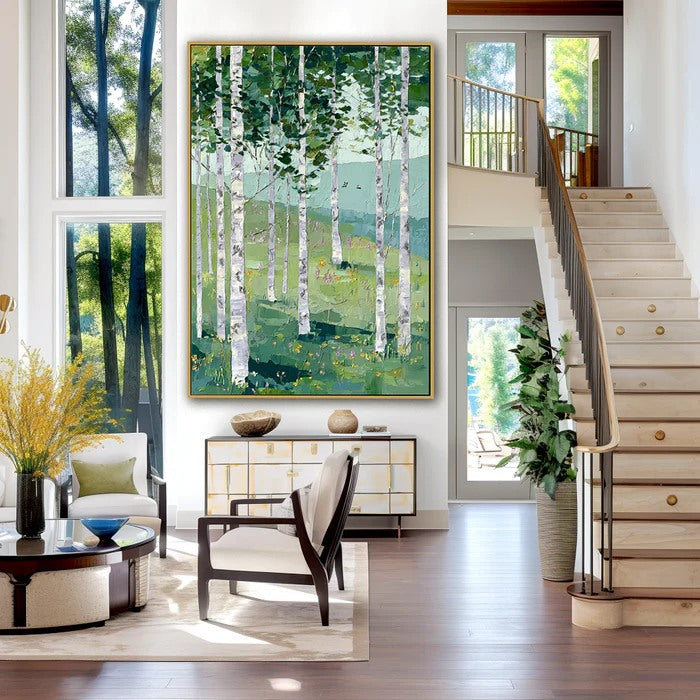
In an age of digital perfection and luxury minimalism, modern interior design is rediscovering the quiet, soulful philosophy of Wabi-Sabi. Rooted in Japanese aesthetics, Wabi-Sabi celebrates impermanence, simplicity, and authenticity. It teaches that beauty lives in natural materials, asymmetrical forms, and the gentle traces of time—philosophies increasingly shaping today’s homes, furniture designs, and architectural concepts.
Understanding Wabi-Sabi Philosophy in Contemporary Spaces
Wabi-Sabi is more than an aesthetic; it’s a mindset. Translating loosely to “rustic simplicity” and “imperfect beauty,” its influence in modern interiors reshapes how designers view texture, form, and space. Instead of striving for sleek precision, Wabi-Sabi-inspired interiors embrace irregular edges, handcrafted objects, and subtle tonal variations that tell stories. This approach appeals especially to homeowners seeking calm environments that counter the overstimulation of modern life. Interior designers now apply Wabi-Sabi principles to everything from space planning to material selection, emphasizing raw textures like clay, linen, wood, and stone to heighten sensory experience.
Market Trends and Data on Wabi-Sabi Design
According to Statista data in 2025, natural material use in interior projects grew by over 30% compared to 2023, driven by eco-conscious consumers and minimalist aesthetics. Pinterest search trends for “Wabi-Sabi home décor” and “imperfect pottery” showed record rises, signaling growing consumer appreciation for sustainability blended with serenity. Interior brands have adapted by developing collections focusing on earthen tones, handcrafted ceramics, and matte finishes that echo the Wabi-Sabi ethos.
Core Principles of Wabi-Sabi Design
At its heart, Wabi-Sabi prioritizes three principles: simplicity, imperfection, and impermanence. Designers achieve these by using organic materials that age gracefully—such as weathered oak or oxidized metal—allowing interiors to evolve with time. Neutral palettes, asymmetrical compositions, and soft lighting further enhance the philosophy’s emotional resonance, creating interiors that feel naturally grounded and timelessly elegant.
Materials and Textures Defining the Aesthetic
Natural fibers like linen, jute, hemp, and wool dominate Wabi-Sabi-inspired décor. Plaster walls, limewash finishes, and tactile clay renders replace synthetic coatings. The result is a textural harmony that evokes calmness and authenticity. Matte ceramics, reclaimed bricks, and hand-glazed tiles add subtle irregularity—transforming imperfections into design virtues. By allowing natural patinas and faded shades to remain visible, modern interiors reflect life’s transient beauty instead of attempting to conceal it.
Sustainability and the Emotional Connection
Wabi-Sabi aligns perfectly with the sustainability movement. Designers now prioritize materials with low environmental impact and timeless appeal over disposable trends. This mindset encourages people to cherish handmade furniture and vintage elements. The approach not only reduces waste but also cultivates emotional connection and mindful consumption—values increasingly central to modern living.
Design Applications: From Homes to Workspaces
In residences, Wabi-Sabi design often appears through minimalist living rooms with unpolished wood furniture, rough pottery, and neutral fabrics accented by greenery. In modern offices and co-working spaces, architects adopt Wabi-Sabi to soften acoustic echoes and introduce biophilic calm. The style’s preference for subdued hues, layered textures, and natural light creates work environments that encourage focus and reduce digital fatigue.
At Artextured, we believe art should do more than decorate—it should transform spaces and inspire experiences. Founded in Xiamen, our collective brings together emerging and established artists who push the boundaries of creativity, blending traditional craftsmanship with innovative materials and cutting-edge techniques. Our acoustic wall art, merging soundproofing with artistic design, embodies the Wabi-Sabi principle—balancing functionality and mindfulness through tactile artistry.
Top Design Products Inspired by Wabi-Sabi
| Product Name | Key Advantages | Ratings | Use Cases |
| Minimalist Clay Pendant Light | Handcrafted, warm diffusion, sustainable clay mix | 4.9/5 | Dining & living rooms |
| Burnished Oak Dining Table | Reclaimed wood, visible grains, matte oil finish | 4.8/5 | Family homes & eco cafés |
| Textured Acoustic Wall Art | Art-infused noise reduction, custom hand-painted | 4.9/5 | Modern offices & galleries |
| Linen Drapes with Raw Edges | Breathable natural weave, soft light filtering | 4.7/5 | Bedrooms & reading nooks |
Competitor Comparison Matrix
| Brand | Core Focus | Sustainability Rating | Design Style | Unique Element |
| Artextured | Art + Acoustic Innovation | A+ | Modern Wabi-Sabi | Soundproof texture art |
| Muji | Minimal lifestyle | A | Zen minimalism | Modular essentials |
| HAY | Functional modern | B+ | Scandinavian modern | Color narratives |
| Ferm Living | Sustainable homeware | A | Nordic eco | Organic ceramics |
Core Technology Driving Wabi-Sabi Innovation
Technology now supports Wabi-Sabi principles through advancements in natural coating formulas, adaptive lighting systems, and material reconditioning technologies. Nano-based wood sealants retain texture while improving durability, and LED systems simulate sunlight to enhance organic palettes. These innovations help maintain the authentic human touch central to Wabi-Sabi while improving longevity and comfort in modern spaces.
Real User Cases and ROI
Homeowners report high emotional satisfaction from Wabi-Sabi renovations, ranking them among the most rewarding design investments. In a 2025 global design survey, projects reflecting Wabi-Sabi aesthetics showed a 25% higher customer retention rate for design studios. Hospitality spaces using the aesthetic—such as boutique hotels and wellness retreats—experienced measurable increases in guest satisfaction and repeat bookings. Interior designers attribute this to the palpable calm and emotional connection that Wabi-Sabi spaces evoke.
Future Trend Forecast in Wabi-Sabi Interiors
The next phase of the Wabi-Sabi evolution lies in fusing organic materials with intelligent design systems. Expect hybrid interiors featuring sustainable acoustic panels, modular clay units, and biomorphic lighting that emulate natural rhythms. As urban density rises, the Wabi-Sabi movement will continue driving the return to handcrafted beauty, tactile materials, and emotional simplicity. Designers foresee multi-sensory interiors becoming the cornerstone of wellness-centered living.
Relevant FAQs
What defines Wabi-Sabi in modern interior design?
It’s an approach that values natural materials, imperfection, and softness over precision and artificial symmetry. The focus is serenity, warmth, and meaningful simplicity.
How can homeowners apply Wabi-Sabi without overhauling their décor?
By integrating handcrafted accessories, raw textures, soft lighting, and muted palettes. Even subtle shifts in materials can create harmony and calm.
Why is Wabi-Sabi trending now?
Because people crave balance and authenticity. The aesthetic’s emphasis on mindfulness and sustainability aligns with post-pandemic design values.
What colors work best for Wabi-Sabi interiors?
Earth tones, warm neutrals, stone grays, browns, and soft whites dominate. These tones reflect natural landscapes and timeless calm.
Is Wabi-Sabi compatible with modern technology?
Yes, when technology enhances rather than overwhelms. Integrating smart lighting or temperature controls subtly complements Wabi-Sabi principles.
Three-Level Conversion Funnel
Discover the calm of imperfection in your home. Begin with one handmade element—a ceramic piece, a linen drape, or a textured wall art panel that invites touch. Progress to redesigning your space with sustainable materials and authentic craftsmanship that embody timeless beauty. Finally, embrace the complete Wabi-Sabi lifestyle, where interiors aren’t just seen but felt—spaces that whisper serenity through every grain, fiber, and shadow.