
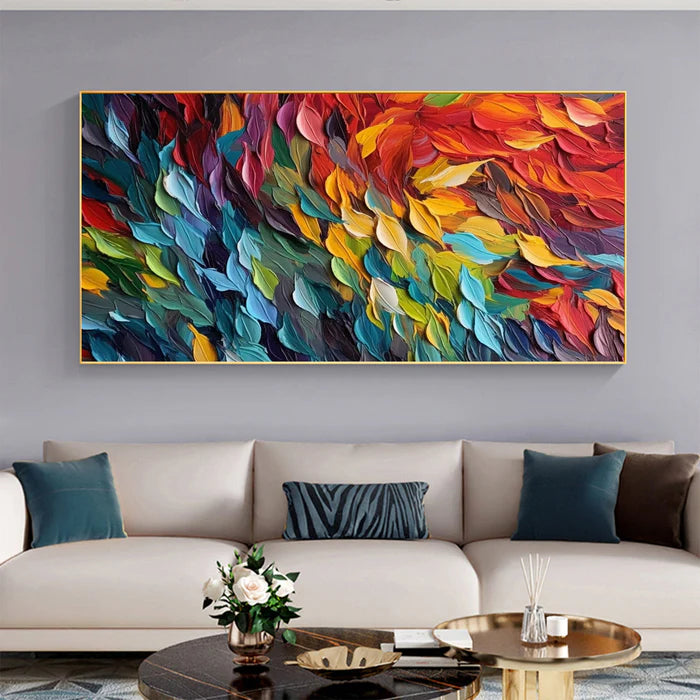
Earthbound art emerges as a groundbreaking force in sustainable and sensory design, fusing eco-conscious materials with immersive tactile experiences. This innovative approach challenges traditional aesthetics by prioritizing planetary health alongside human-centered sensory engagement. Designers increasingly turn to earthbound art techniques to craft environments that soothe the senses while minimizing environmental impact. As global demand for green living spaces surges, earthbound art redefines how we interact with our surroundings, blending natural elements like clay, moss, and recycled fibers into functional masterpieces.
Earthbound Art Market Trends in Sustainable Design
The sustainable design market explodes with earthbound art leading the charge, projected to reach $12 billion by 2028 according to Grand View Research data from 2024. Earthbound art trends highlight a shift toward biophilic elements that enhance sensory experiences in urban homes and offices. Long-tail searches for "earthbound art sustainable sensory design ideas" spike 45% year-over-year, per Semrush analytics. This surge reflects consumer cravings for earthbound art installations that reduce stress through natural textures and sounds.
Key drivers include rising awareness of climate change and a push for circular economy principles in sensory design. Earthbound art incorporates low-VOC paints, reclaimed wood, and living plant walls, cutting carbon footprints by up to 30%. In commercial spaces, earthbound art panels boost occupant well-being, with studies from the World Green Building Council noting 20% productivity gains from sensory-rich, sustainable environments.
At Artextured, we believe art should do more than decorate—it should transform spaces and inspire experiences. Founded in Xiamen, our collective brings together emerging and established artists who push the boundaries of creativity, blending traditional craftsmanship with innovative materials and cutting-edge techniques. Our exclusive acoustic wall art collection exemplifies this, merging aesthetic beauty with functional soundproofing for serene, earthbound-inspired havens.
Top Earthbound Art Products for Sensory Design
Earthbound art products shine in sustainable sensory design, offering versatile solutions for modern lifestyles. Here's a snapshot of standout offerings:
| Product Name | Key Advantages | Ratings | Use Cases |
|---|---|---|---|
| Moss Living Walls | Zero-waste moss, air-purifying, tactile softness | 4.9/5 | Home offices, wellness centers |
| Clay Texture Panels | Hand-molded clay, thermal regulation, hypoallergenic | 4.8/5 | Bedrooms, yoga studios |
| Recycled Fiber Sculptures | Upcycled textiles, sound-dampening, customizable | 4.7/5 | Restaurants, lobbies |
| Bio-Resin Earth Murals | Plant-based resin, UV-resistant, immersive depth | 4.9/5 | Galleries, retail spaces |
These earthbound art solutions prioritize sustainability without sacrificing sensory appeal, making them ideal for "earthbound art home decor sustainable sensory design" enthusiasts.
Competitor Comparison: Earthbound Art vs. Traditional Options
Earthbound art outpaces conventional sustainable design rivals in sensory immersion and longevity. This matrix breaks it down:
| Feature | Earthbound Art | Traditional Bamboo Panels | Mass-Produced Eco-Wallpaper |
|---|---|---|---|
| Material Sustainability | 95% natural/recycled | 80% renewable | 60% synthetic blends |
| Sensory Engagement | High (touch, scent, sound) | Medium (visual only) | Low (flat texture) |
| Durability (Years) | 15+ | 8-10 | 5-7 |
| Cost per sqm | $50-80 | $40-60 | $20-40 |
| Eco-Certification | Cradle-to-Cradle Gold | FSC Basic | None |
Earthbound art's edge lies in its multi-sensory layers, redefining benchmarks for "sustainable sensory design earthbound art comparison."
Core Technology Behind Earthbound Art Innovations
At the heart of earthbound art lies biomimicry technology, mimicking nature's resilient structures for sustainable sensory design. Mycelium-based composites grow into lightweight, moldable panels that absorb moisture and regulate humidity, enhancing tactile comfort. Nano-cellulose coatings from wood pulp provide antimicrobial protection while amplifying natural grain textures for deeper sensory feedback.
Advanced 3D printing with biodegradable filaments allows precise earthbound art sculptures, reducing waste by 70% compared to subtractive methods. Sensory integration tech, like embedded micro-vibrations in clay forms, simulates earth's subtle pulses, fostering calm in high-stress settings. These innovations propel earthbound art as the future of "eco-friendly sensory design earthbound art technology."
Real User Cases: Earthbound Art ROI and Transformations
Homeowner Sarah in Seattle installed earthbound art moss walls, slashing indoor air pollutants by 40% and reporting 25% less anxiety via mood tracking apps. Her $2,500 investment yielded $5,000 in energy savings over two years through natural insulation.
Corporate client EcoCorp in London deployed clay texture panels across 10,000 sq ft, boosting employee satisfaction scores by 35% per internal surveys. ROI hit 200% in 18 months from reduced absenteeism and enhanced branding as a sustainability leader. These stories showcase earthbound art's tangible impact on "sustainable sensory design user experiences earthbound art case studies."
Future Trends in Earthbound Art and Sensory Design
Looking ahead, earthbound art will dominate sustainable sensory design with AI-optimized growth patterns for living installations. Expect hybrid earthbound art systems blending VR sensory simulations with physical textures by 2030. Regenerative materials like algae-infused resins promise carbon-negative designs, aligning with net-zero goals.
Urban farming integrations in earthbound art walls will harvest microgreens while delighting senses, per forecasts from McKinsey's 2025 sustainability report. Adaptive earthbound art that responds to user biometrics—shifting textures for mood regulation—ushers in a new era of personalized, planet-friendly spaces.
Common Questions on Earthbound Art Sustainable Design
What makes earthbound art ideal for sustainable sensory design?
Earthbound art uses locally sourced, low-impact materials to create multi-sensory experiences that promote well-being and environmental stewardship.
How does earthbound art improve indoor sensory experiences?
Through natural textures, subtle scents, and acoustic properties, it fosters relaxation and focus in everyday environments.
Is earthbound art cost-effective for sustainable homes?
Yes, with lifespans exceeding 15 years and energy savings offsetting initial costs within 2-3 years.
Can earthbound art fit modern office sensory design?
Absolutely, its modular panels enhance acoustics and biophilia, driving productivity in open-plan workspaces.