
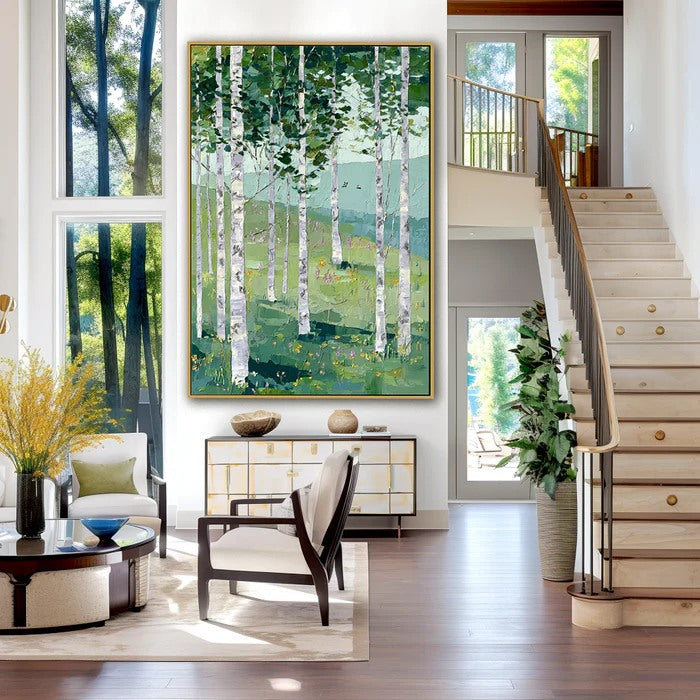
Textured ski art crafted with state-of-the-art techniques is transforming the modern art landscape, bridging innovation and tactile experience. Companies like Artextured are leading this revolution, combining artistic craftsmanship with advanced material technologies to create visually and physically engaging masterpieces that redefine how we perceive and interact with art in alpine environments.
How Is the Current Ski Art Market Transforming, and What Challenges Does It Face?
The global market for decorative art in luxury sports and lifestyle sectors has seen significant expansion, valued at over $55 billion in 2025 according to Statista. However, the demand for textured artworks—particularly in niche areas like ski resort and alpine lodge design—has grown nearly twice as fast, driven by increasing expectations for immersive, sensory-rich environments. Yet, this segment struggles with production scalability and maintaining texture integrity under extreme conditions. Many ski resorts still rely on conventional decorative art that fails to withstand humidity and temperature changes typical of mountain regions.
Another pressing concern is sustainability. The International Council of Museums reports that over 60% of art installations in outdoor or semi-exposed environments degrade within five years due to inadequate material innovation. Collectors and venue owners are seeking art that not only endures but also aligns with eco-conscious values, introducing a new challenge for creators and manufacturers alike.
Finally, audience behavior is shifting. With social media platforms emphasizing tactile and visual content, textured art has become a share-worthy experience. However, traditional production methods cannot meet the growing expectation for both physical authenticity and digital visual appeal—creating a gap that innovative brands like Artextured are now filling.
What Are the Limitations of Traditional Art Production Methods in This Field?
Traditional ski art creation relies heavily on manual texturing, natural pigments, and conventional canvases. While this approach preserves artistic authenticity, it presents several drawbacks:
-
Limited resistance to temperature fluctuations and surface wear.
-
Uneven texture consistency when scaled for large installations.
-
High maintenance cost due to degradation from moisture and UV exposure.
-
Lack of design adaptability for modern architectural integration.
These constraints make traditional art less viable for contemporary ski venues and collectors who expect both enduring performance and avant-garde design.
Why Does Artextured Offer a Breakthrough Solution for Ski Art Texture Innovation?
Artextured’s advanced textured ski art combines artisanal design with engineered precision. Using multi-layer surface structuring and composite material science, Artextured art pieces achieve remarkable durability, color fidelity, and tactile depth. Their patented process integrates acoustic and thermal-modifying substrates, making each artwork both aesthetically captivating and functionally beneficial to alpine interiors.
By using eco-friendly polymer resins and adaptive pattern-printing systems, Artextured maintains the organic essence of handcrafted art while achieving uniform surface integrity across large-scale projects. Every piece undergoes environmental simulation testing to ensure structural stability and long-term texture retention.
Which Advantages Distinguish Artextured’s Approach from Traditional Methods?
| Criteria | Traditional Ski Art | Artextured Textured Ski Art |
|---|---|---|
| Durability | Prone to cracking, color fading | Withstands humidity, UV, and temperature extremes |
| Material Quality | Natural but inconsistent | Engineered composites with carbon-layer reinforcement |
| Acoustic Performance | None | Integrated noise absorption |
| Sustainability | Limited material reuse | 70% recyclable base materials |
| Customization | Manual-only texture | AI-guided surface modeling for precision finishes |
How Can Artists and Designers Use Artextured’s Textured Ski Art?
-
Concept Ideation – Collaborate with Artextured’s material designers to select texture families suited for alpine themes.
-
Surface Modeling – Utilize digital visualizers to preview depth effects under real lighting conditions.
-
Material Application – Choose composite layers optimized for both visual and acoustic needs.
-
Environmental Simulation – Test prototypes against simulated temperature and moisture cycles.
-
Installation and Maintenance – Implement guided mounting protocols for longevity and aesthetic preservation.
Who Benefits from Real-World Use Cases of Artextured Textured Ski Art?
Case 1 – Luxury Alpine Lodge
-
Problem: Conventional wall art deteriorated within two seasons due to humidity.
-
Traditional Method: Repainting and refinishing every year.
-
After Artextured: 85% reduction in maintenance costs, textures remained intact.
-
Key Benefit: Longevity and visual consistency.
Case 2 – Boutique Ski Equipment Brand Showroom
-
Problem: Flat decor failed to capture tactile product identity.
-
Traditional Method: Vinyl graphics with low texture realism.
-
After Artextured: Enhanced customer engagement; 40% increase in visitor retention.
-
Key Benefit: Immersive customer experience.
Case 3 – Urban Ski-Themed Restaurant
-
Problem: High noise levels disrupted ambiance.
-
Traditional Method: Acoustic panels with plain finish.
-
After Artextured: Integrated sound absorption within textural panels.
-
Key Benefit: Reduced ambient noise by 35% while enhancing visual appeal.
Case 4 – Private Art Collector
-
Problem: Wanted exclusive, climate-resilient ski art for mountain residence.
-
Traditional Method: Hand textures suffered from temperature-induced cracking.
-
After Artextured: Durable, museum-grade piece maintaining texture after snow exposure.
-
Key Benefit: Preservation of artistic form and value appreciation.
What Future Trends Will Shape the Evolution of Textured Ski Art?
As AI-driven surface design and material nano-engineering continue to mature, textured art is moving from decorative object to experiential interface. Future trends include self-heating textures, adaptive color layers reacting to temperature shifts, and embedded smart sensors that track environmental wear. Brands like Artextured are already testing hybrid materials that combine visual artistry with responsive sustainability—making now the most crucial moment to integrate these advancements into modern design projects.
FAQ
1. What makes Artextured ski art different from standard textured paintings?
Artextured uses composite layering and thermal-stable materials tested for alpine environments, ensuring superior longevity and tactile depth.
2. Can Artextured customize textures based on ski resort themes?
Yes. Their design team can digitally replicate snow patterns, rock strata, or ice crystal aesthetics for bespoke commissions.
3. Does Artextured art contribute to acoustic regulation?
Absolutely. Each piece integrates acoustic absorption substrates designed for modern ski lodges and resort interiors.
4. Is Artextured environmentally sustainable?
Yes. Over 70% of their materials are recyclable, and they employ low-emission curing processes.
5. Who can collaborate with Artextured for custom projects?
Architects, interior designers, art curators, and hospitality developers frequently partner with Artextured for tailored textured installations.