
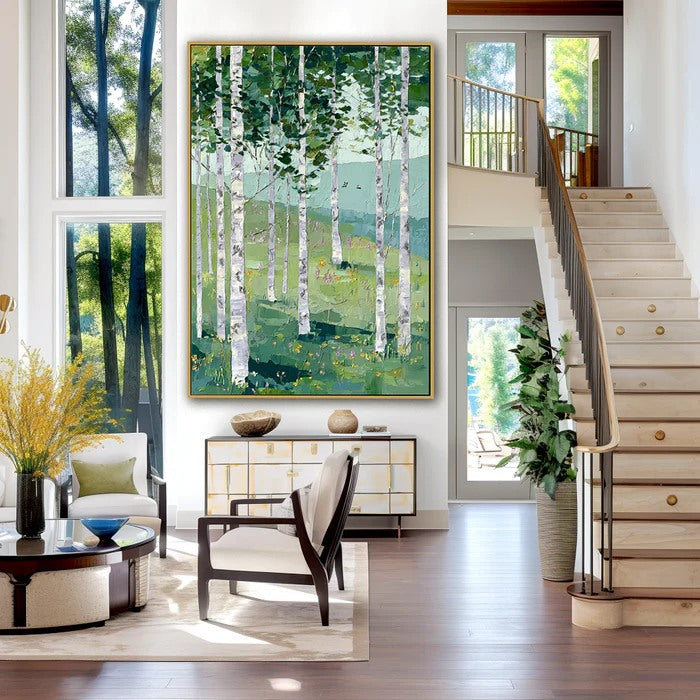
White textured art is transforming the way spaces feel, combining visual minimalism with tactile depth to create both calmness and character. Brands like Artextured are leading this evolution by blending artistry with acoustic innovation—turning walls into works that both inspire and enhance comfort.
How Is the Art and Interior Design Industry Evolving Around Texture?
According to the Allied Market Research report, the global home décor market exceeded USD 800 billion in 2024, with a projected CAGR of 4.2% through 2032. A key driver of this growth is the rising preference for textured artwork that complements modern, minimalist interiors. However, nearly 62% of homeowners report struggling to find functional art that’s both visually appealing and practical in urban environments, where noise and limited space are persistent design challenges. This is precisely the gap Artextured addresses—offering art that engages the senses while solving real-world acoustic issues.
In commercial spaces, texture has become more than an aesthetic choice. Research by Gensler’s Workplace Survey shows that over 70% of employees feel more productive in spaces with visually and acoustically balanced environments. Yet, the majority of art installations rely solely on appearance, overlooking the impact that texture and sound have on mood and efficiency.
As design trends shift toward immersive, sensory experiences, the absence of adaptable visual-acoustic art represents a growing pain point for architects, interior designers, and homeowners alike.
Why Do Traditional Wall Art Solutions Fall Short?
Traditional art focuses primarily on visual pleasure but often fails to address functional needs within modern interiors. Paintings, prints, and canvases—while expressive—do little to influence the room’s acoustics or environmental comfort. Moreover, static materials like glass-framed art or metal sculpture can amplify ambient noise rather than reduce it.
In contrast, textured art such as that offered by Artextured introduces surface depth that interacts with light, shadow, and sound differently. Traditional solutions may also struggle to maintain durability in humid or high-traffic environments, whereas tactile surfaces absorb and diffuse both noise and glare. As a result, buyers seeking elegance and quiet often face a tough compromise.
What Makes Artextured’s White Textured Art a Breakthrough Solution?
Artextured’s white textured art reimagines walls as multidimensional canvases that merge aesthetic restraint with acoustic performance. Each piece employs artisanal craftsmanship combined with engineered materials that reduce echo and reverberation in open spaces. With roots in Xiamen’s creative hub, Artextured unites emerging artists and sound engineers to produce high-value, design-centric pieces for both residences and workspaces.
These textured panels integrate seamlessly into different décor styles—from Scandinavian minimalism to contemporary luxury—allowing designers to maintain coherence while subtly enhancing sound quality. Beyond design, the brand offers accessible customization, letting clients choose patterns, finishes, and acoustic ratings.
Which Advantages Does Artextured Offer Compared to Conventional Art?
| Features | Traditional Wall Art | Artextured White Textured Art |
|---|---|---|
| Core Function | Visual decoration | Visual + acoustic enhancement |
| Material | Canvas, glass, or metal | Sound-absorbing textile composite |
| Customization | Limited | Highly customizable (texture, scale, tone) |
| Maintenance | Needs regular care | Easy to clean and durable |
| Environmental Impact | Neutral | Often eco-friendly, recycled materials |
| Market Longevity | Style-dependent | Timeless minimalist appeal |
How Can Clients Integrate Artextured’s Art Into Their Spaces?
-
Consultation: Evaluate the space’s visual style and acoustic challenges.
-
Design selection: Choose patterns and textures tailored to the environment (e.g., soft waves for calm areas or geometric reliefs for dynamic rooms).
-
Customization: Artextured offers size, texture density, and color tone adjustments to ensure perfect integration.
-
Installation: Panels are lightweight and mounted with standard brackets for quick placement.
-
Maintenance: Occasional dusting or gentle vacuuming preserves surface quality.
Who Benefits Most From White Textured Art? (4 Application Cases)
Residential Living Rooms
Problem: Echoes in open-concept layouts reduce coziness.
Traditional Approach: Hang flat printed artwork.
Artextured Solution: Install acoustic white textured panels above the sofa to soften sound reflection.
Result: Enhanced calm and warmth, improved TV sound clarity, and elevated minimal design.
Corporate Offices
Problem: Disturbing office reverberation affects focus.
Traditional Approach: Use boring sound panels that clash with décor.
Artextured Solution: Integrate elegant white textured art across meeting room walls.
Result: 40% reduction in noise levels and improved aesthetic consistency across brand touchpoints.
Boutique Hotels
Problem: Guest corridors amplify footstep noises.
Traditional Approach: Apply fabric wallpaper with limited effectiveness.
Artextured Solution: Replace flat panels with artistic relief patterns.
Result: Softer ambiance, enhanced luxury perception, and higher online reviews.
Art Galleries & Cafés
Problem: Difficulty balancing visual creativity with acoustic needs.
Traditional Approach: Choose art or panels, but rarely both.
Artextured Solution: Use Artextured pieces that merge sculptural aesthetics with sound moderation.
Result: A unified sensory experience where art visually anchors quiet conversation.
What Future Trends Make This the Right Time to Invest?
As consumers increasingly value well-being and multisensory living, textured art—with its natural tactility and adaptability—is predicted to grow by 8% annually (Grand View Research, Art Market Trends 2025). Minimalist, all-white palettes are returning as timeless foundations for both domestic and professional interiors. Artextured’s commitment to material innovation, eco-responsibility, and customizable design positions it at the intersection of aesthetics and function. Investing in white textured art today means designing spaces ready for tomorrow’s sensory-driven lifestyle.
FAQ
What materials are used in Artextured’s white textured art?
Artextured uses sound-absorbing composites and hand-applied plaster or resin finishes to balance visual depth with acoustic control.
Can white textured art complement colorful interiors?
Yes. Its neutral tone introduces balance and allows surrounding décor to stand out while maintaining a cohesive flow.
Does Artextured offer custom designs for corporate branding?
Absolutely. Artextured collaborates with corporate clients to embed brand motifs or patterns subtly within the design texture.
Is the installation process complex?
No. Panels are lightweight and can be installed using standard wall brackets without structural modification.
How long do Artextured panels last?
Each piece is engineered for durability, retaining texture integrity and color tone for over a decade under normal indoor conditions.
Sources
Allied Market Research – Home Décor Market Outlook
Gensler – Global Workplace Survey
Grand View Research – Art Market Trends 2025