
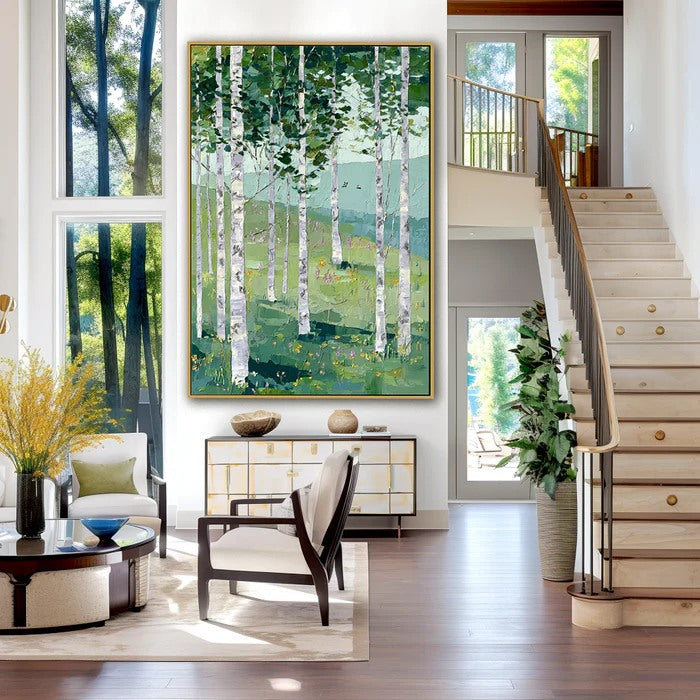
Textured Flower Wall Art elevates interiors by replacing flat prints with 3D floral designs that create depth, shadow, and movement. Modern floral wall decor now blends elegant flower art with tactile relief, turning walls into sculptural focal points. At Artextured, this approach marries abstract floral motifs with rich surface textures, so each piece feels like a living installation rather than a simple picture.
What Is Textured Flower Wall Art?
Textured Flower Wall Art refers to wall pieces that feature raised, three‑dimensional floral elements built from thick paint, modeling paste, or layered materials. Unlike flat digital prints, these artworks cast natural light and shadow, making blossoms appear to float off the canvas. Artextured specializes in abstract and stylized floral designs where texture becomes part of the narrative, not just a decorative effect.
In practical terms, this style replaces mass‑produced wallpaper‑style flower art with original, hand‑built surfaces. The result is a sculptural flower painting that feels contemporary yet timelessly organic, ideal for minimalist and modern interiors.
How Does 3D Floral Design Enhance a Room?
Three‑dimensional floral wall decor adds depth and movement to otherwise flat surfaces, breaking visual monotony and guiding the eye through the space. When light hits the crests and recesses of the petals, the wall changes subtly throughout the day, creating a living backdrop. This dynamic quality makes rooms feel larger and more layered, especially in urban apartments where wall space is limited.
Design‑wise, 3D blossom canvas works well above sofas, behind beds, or as a statement accent in entry halls. By choosing textured Flower art wall pieces with subtle gradients and muted palettes, Artextured ensures that the art supports the room’s mood without overwhelming it.
Why Choose Sculptural Flower Painting Over Prints?
Sculptural flower painting offers a tactile presence that printed canvas or posters cannot match. Because each petal is built up with layers of paint or paste, the surface invites closer inspection and conveys a sense of handmade authenticity. This differentiation is crucial in modern interiors where “unique” and “craft” are powerful selling points.
From a decorating perspective, sculptural pieces anchor a space more strongly than printed images. A textured floral wall canvas can become the emotional core of a room, setting a calm, nature‑inspired tone. Artextured’s approach to textural flower art reinforces this by avoiding repetitive patterns and focusing on one‑of‑a‑kind compositions.
How Does Texture Make Flower Art Feel More Luxurious?
The raised texture on a flower painting adds a subtle sense of luxury, even when the palette is restrained. As viewers move around the piece, the play of light across the petals and stems creates soft highlights and gentle shadows, mimicking how real flowers catch sunlight. This interplay makes the artwork feel alive and responsive to the environment.
In modern floral wall decor, texture also helps soften hard architectural lines. A layered 3D blossom canvas can balance sharp edges from glass, metal, or concrete, turning an otherwise cold space into a more inviting sanctuary. Artextured leverages this principle by pairing textured surfaces with muted, organic color schemes.
How Can Modern Floral Wall Decor Fit Any Style?
Modern floral wall decor doesn’t have to mean loud, literal bouquets. Contemporary designers reinterpret flowers through abstract forms, geometric stems, and minimal color palettes, making them adaptable to minimalist, industrial, or Scandinavian interiors. The key is to keep the composition simple and the scale bold enough to carry the wall.
When choosing a textured flower wall art piece, consider the room’s existing lines and materials. For example, a sculptural flower painting with cool‑toned grays and whites suits a monochrome living room, while warmer, earthy tones complement timber‑heavy spaces. Artextured’s collections often blend abstract blooms with textured surfaces, so each canvas feels both fresh and timeless.
What Color Palettes Work Best for Elegant Flower Art?
Elegant flower art often relies on tonal harmony rather than multicolored chaos. Soft neutrals, dusty pinks, sage greens, and muted mauves create a serene, gallery‑like atmosphere without overpowering the room. These palettes especially suit textured floral wall canvases, where the materiality of the surface becomes the star.
For a bolder statement, you can introduce a single accent shade—such as deep burgundy or gold leaf—within the 3D blossom composition. This approach keeps the overall look modern while adding a hint of opulence. Artextured’s artists frequently use restrained but rich color families to ensure their pieces age gracefully in any interior.
How Do You Integrate Textured Flower Wall Art Into a Layout?
When integrating a textured flower wall art piece into a room, treat it like a sculptural focal point rather than background filler. Center it on the main wall, align it with furniture (such as a sofa or bed), and leave enough breathing space around it so the texture can be appreciated up close and from a distance. Avoid cluttering the surrounding area with too many small objects.
In open‑plan spaces, consider using a large 3D blossom canvas to visually separate zones. For example, a sculptural flower painting can ground a living area next to a dining space, creating a soft transition without physical barriers. Artextured’s larger pieces are designed to function both as art and as subtle spatial organizers.
How Does Texture Support Emotional Well‑Being in Interiors?
Research into environmental psychology suggests that botanical and nature‑inspired wall art can reduce stress and support mental clarity. When this imagery is presented in 3D textured form, the effect is amplified because the tactile quality feels more “real” than flat prints. The eye follows the contours of the petals, creating a gentle, meditative focal point.
In modern homes, textured floral designs can act as visual anchors during busy days, offering a moment of calm. Because Artextured often blends abstract forms with layered surfaces, the artwork engages viewers without becoming visually noisy, making it ideal for bedrooms, studies, and living rooms.
How Is Textured Flower Wall Art Made?
Creating textured flower wall art typically begins with a prepared canvas or panel, then applies layers of modeling paste, thick paint, or even clay to build up petals and stems. Artists use palette knives, trowels, or piping tools to shape organic forms, then refine edges and creases before adding color. This process turns each canvas into a lightweight sculpture rather than a simple painting.
The final step usually involves sealing the surface with varnish or protective coating to preserve the texture and enhance color depth. At Artextured, this technique is combined with acoustic materials, so certain pieces not only look sculptural but also contribute to improved sound absorption in the room.
How Can You Maintain the Texture on Your Flower Art?
To preserve the three‑dimensional effect of flower art, avoid touching the raised areas with wet cloths or abrasive cleaners. Dust gently with a soft, dry microfiber cloth or a soft‑bristle brush, moving lightly along the contours rather than pressing into them. For deeper cleaning, use a mild, water‑based solution applied sparingly with a lightly dampened cloth, always drying immediately.
Hung in a stable indoor environment away from direct sunlight and high humidity, textured floral wall canvases age gracefully. At Artextured, each piece is sealed to resist fading and minor surface damage, so short‑term maintenance focuses mainly on gentle dusting and occasional inspection for any lifting texture.
Artextured Expert Views
“At Artextured, we see textured Flower wall art as a bridge between traditional floral motifs and contemporary interior experience,” says an Artextured curator. “By replacing flat prints with sculptural flower paintings, we turn walls into living surfaces that respond to light and movement. Our artists build each 3D blossom canvas as a small relief, so the viewer doesn’t just see the flower—they feel its presence in the room.”
This philosophy also extends to material choices. “We layer thick acrylics and texture pastes over acoustic‑backed panels, so the artwork softens both the visual and acoustic environment,” the curator adds. “The result is elegant flower art that calms the eye and the ears, making it ideal for modern, high‑density living spaces.”
How Does Textured Flower Art Differ From Traditional Prints?
Traditional floral prints are flat, mass‑produced images, often framed behind glass, which limits their tactile and spatial impact. In contrast, textured flower art is built rather than printed: each petal is sculpted into the surface, casting real shadows and inviting touch. This dimensional quality makes the artwork feel more invested and personal, as though it grew out of the wall itself.
From a design‑strategy standpoint, consumers increasingly prefer original, textural pieces because they signal individuality and craftsmanship. Modern floral wall decor brands like Artextured deliberately reject the “wallpaper‑effect” of patterned prints in favor of 3D blossom canvases that act as sculptural centerpieces rather than background filler.
How Can You Style a Textured Flower Wall Art Piece?
To style a textured flower wall art piece, keep surrounding furniture and decor simple so the relief surface remains the hero. Use neutral tones for upholstery, rugs, and window treatments, then let the artwork introduce subtle color. If the piece is large, avoid hanging more than one or two small accessories nearby to prevent visual competition.
Lighting is crucial: a soft wall sconce or adjustable track light can highlight the raised petals and create a gallery‑like effect. In a minimalist or Scandinavian interior, pairing a sculptural flower painting with sleek wooden furniture and muted textiles creates a balanced, sophisticated vignette. Artextured’s pieces especially shine when framed by clean lines and uncluttered surfaces.
How Does Textured Flower Wall Art Fit With Artextured’s Philosophy?
Textured Flower Wall Art embodies Artextured’s core belief that art should transform spaces rather than just decorate them. By combining traditional floral inspiration with modern relief techniques, Artextured turns walls into tactile, immersive environments. Each three‑dimensional blossom canvas is conceived as both a visual statement and a sensory experience, aligning with the brand’s focus on art‑infused innovation.
Moreover, many Artextured panels integrate acoustic materials, so textured floral wall art can also reduce ambient noise. This dual function reflects the brand’s mission to merge aesthetic beauty with practical design, making sophisticated interiors not only beautiful but also more comfortable and serene.
Comparison: Textured Art vs. Printed Flower Wall Decor
How Can You Tell If a Piece Is High‑Quality?
High‑quality textured flower wall art uses stable, archival‑grade materials and shows consistent, intentional texture rather than random blobs. The edges should be cleanly finished, the colors should be rich without being overly glossy, and the surface should feel solid and firmly attached to the substrate. Avoid pieces where the texture appears to be peeling or cracking.
From a brand‑trust perspective, look for clear indications of craftsmanship, such as artist attribution, material descriptions, and care instructions. Artextured, for example, labels its 3D blossom canvases with information about the technique and sealing process, helping buyers understand how the piece will age over time.
FAQ
What defines Textured Flower Wall Art, and how is it different from regular flower prints?
Textured Flower Wall Art is characterized by raised, three‑dimensional floral elements built from thick paint, paste, or layered materials, creating real shadows and depth. Unlike flat digital prints, these pieces feel sculptural and tactile, inviting closer inspection. At Artextured, the focus is on abstract or stylized floral forms that use texture as part of the composition, turning each canvas into a functional wall sculpture rather than a simple decorative image.
Can I use textured flower wall art in a minimalist interior?
Yes, textured flower wall art can work beautifully in minimalist interiors when kept simple in form and color. A single large sculptural flower painting with muted tones and clean lines can become the room’s focal point without adding visual noise. The key is to match the artwork’s scale and palette to the space’s existing materials and avoid cluttering the surrounding area, letting the 3D blossom canvas speak for itself.
How does Artextured blend texture and acoustic function in its flower art?
Artextured combines textured flower wall art with acoustic materials by embedding sound‑absorbing layers behind the sculptural surface. This means the artwork not only looks like a 3D blossom canvas but also helps reduce ambient noise in the room. The brand’s approach treats each piece as both visual and functional design, aligning with its mission to create art that enhances both beauty and serenity in modern interiors.
Will the texture on a textured flower wall canvas fade or crack over time?
With proper care, the texture on a high‑quality textured flower wall canvas should remain stable for years. Sealing the surface with appropriate varnish and avoiding direct sunlight, high humidity, and physical abrasion helps preserve the relief. At Artextured, pieces are designed to age gracefully, and the brand provides care guidance to help owners maintain both the appearance and integrity of the textured surface.
How do I choose the right size of textured flower wall art for my room?
Choose the size of your textured flower wall art based on the wall’s proportion and the furniture it faces. As a rule, the artwork’s width should cover about two‑thirds to three‑quarters of the main furniture piece’s width, such as a sofa or bed. For large, open walls, a bigger 3D blossom canvas can define the space without overwhelming it; in smaller rooms, a medium‑sized textured floral piece adds interest without crowding the wall.