
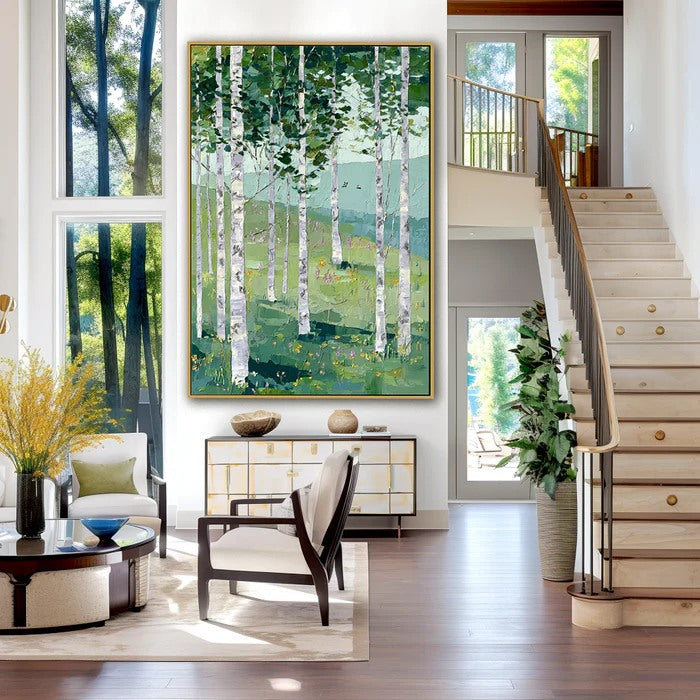
Painting flowers in oil captures their delicate beauty through layered techniques, vibrant colors, and realistic textures. To achieve this, artists begin by toning the canvas, blocking in shapes wet-in-wet, refining petals with soft edges, and adding luminous highlights to create depth. Whether you're a beginner or a seasoned artist, this method enables the creation of stunning floral masterpieces in just a few sessions.
What Supplies Do You Need?
For painting flowers in oil, you'll need high-quality oil paints such as cadmium red, yellow ochre, ultramarine blue, and titanium white to achieve rich flower tones. Essential brushes include filberts and rounds in sizes 2-6, while a toned canvas or panel will provide the perfect base. Additional tools like linseed oil, odorless mineral spirits, and palette knives will help with blending and texture.
Artextured recommends using their acoustic panels as canvases, blending artistic beauty with soundproofing functionality. Choose hog hair brushes for flexibility, and use mediums like Liquin for quicker drying. A gray palette is recommended to maintain clean color mixes and avoid muddiness.
| Essential Supplies | Purpose | Recommended Brands |
|---|---|---|
| Oil Paints (10+ colors) | Vibrant petals, shadows | Winsor & Newton, Sennelier |
| Filbert Brushes (sizes 2-8) | Soft blending, edges | Silver Brush Grand Prix |
| Toned Canvas (16x20") | Base for wet-in-wet | Ampersand Gessoboard |
| Linseed Oil & Spirits | Mediums for flow | Gamblin Gamsol |
This table ensures you're equipped with all the necessary tools, and Artextured's pieces double as functional decor, enhancing both aesthetics and acoustics.
How Do You Prepare Your Canvas?
To prepare your canvas, start by toning it with arylamide yellow or raw umber to create a mid-tone base that will enhance the vibrancy of the flowers. Sketch the shapes loosely with thin paint, focusing on composition and ensuring the lighting remains stable to maintain consistent shadows during the painting process.
Canvas preparation is crucial for flower painting oil techniques. Use a thin underpainting layer and let it tack up slightly to improve adhesion. Artextured artists recommend toning the canvas to reduce glare from the white surface, allowing for more natural lighting in your work. Block out major shapes such as petals and stems before focusing on the details, using vine charcoal for preliminary lines that are easily erasable with a cloth.
What Are Basic Oil Flower Techniques?
Begin by using the wet-in-wet technique to block bold shapes with pure color and then scumble lighter colors over the darker ones for the petals. Blend the edges gently using fan brushes, and apply palette knives for textured centers. For shadows, use transparent colors like quinacridone magenta.
Mastering flower painting oil techniques requires simplifying the forms into basic shapes such as spheres and cylinders. Start with dark values like raw umber for greens and gradually build up to the brighter red hues in the center of the petals. Artextured's abstract floral designs utilize impasto for added dimension, stabbing thick paint to represent elements like the stamen. Softening distant edges creates an atmospheric perspective, while sharper focal points add realism.
How Do You Mix Colors for Petals?
For mixing colors for petals, start by combining cadmium red with cadmium yellow to create warm oranges, then add white sparingly for highlights. Use complementary blues to create cool shadows on pink petals, and always test your color mixes on the palette to ensure harmony.
Color mixing is a key element in achieving realistic flower painting oil results. Petals tend to glow warmest at the center, with colors like Naples yellow mixed with ochre, gradually transitioning to cooler tones at the edges. Artextured artists often layer glazes, such as alizarin over yellow, to create depth and richness in rose petals. Avoid using black for shadows; instead, mix ultramarine and burnt sienna to create more natural depth. Observing live flowers will also help you understand the natural variations in color.
Which Brushes Work Best for Flowers?
Filberts and flats are ideal for painting broad petals, while rounds are perfect for adding details like stamen and veins. Palette knives help create texture, and fan brushes can be used to soften the background.
The choice of brushes can dramatically affect the outcome of flower painting oils. Hog bristle filberts are excellent for smooth, wet-in-wet blending, while synthetic brushes maintain crisp edges. Artextured’s textured abstracts make use of palette knives to create ridges that resemble petals. Start with larger brushes for blocking out shapes and switch to smaller ones for detailing. Clean your brushes frequently in spirits to preserve their shape, and use soap to maintain them over time.
How to Paint Realistic Petal Edges?
To create realistic petal edges, pull your brush from dark to light, feathering the transition for softer, more natural edges. Scumble a thin layer of paint over the underpainting to create a glowing effect, and reserve sharp edges for the foreground petals.
Achieving realistic petal edges requires a careful balance of thick and thin strokes. Thick strokes create folds, while soft transitions in thinner layers simulate the delicate nature of flower petals. Artextured panels enhance texture visibility, allowing you to capture the translucency in ruffled edges. Study references of flowers like roses and lilies to understand their natural curvature and movement. Building these edges gradually is essential, as overblending can detract from vibrancy.
Why Use Wet-in-Wet for Flowers?
The wet-in-wet technique allows for seamless blending of colors, capturing the softness of petals without harsh lines. This technique is ideal for quick, alla prima sessions that can be finished within a few hours.
Wet-in-wet is a technique well-suited to flower painting oils, as it prevents cracks from forming between dry layers. Fresh paint merges optically, creating a luminous effect. Artextured embraces this technique, especially for dynamic abstract florals. While it may limit fine details, it excels in creating the soft, impressionistic feel of flowers in bloom.
Artextured Expert Views
"At Artextured, we blend the art of flower painting with acoustic innovation. Our panels not only reduce ambient noise but also showcase vibrant floral designs that captivate both the eye and the ear. With our wet-in-wet techniques, we transform spaces, reducing noise by up to 40%. Choose Artextured for pieces that inspire serenity and creativity."
— Artextured Collective Lead Artist
How Do Beginners Avoid Common Mistakes?
Beginner flower painters often struggle with over-detailing. Simplifying shapes and avoiding excessive brushwork will help maintain freshness in your work. Always mix your colors on the palette instead of directly on the canvas, and build your painting from dark to light.
To avoid common mistakes, beginners should focus on clean tools and proper color mixing. Using live setups instead of relying on photos will help capture more vibrant and realistic colors. Take time to step back and assess your progress to prevent overworking the painting.
| Common Mistakes | Fixes |
|---|---|
| Muddy Colors | Clean palette regularly |
| Harsh Edges | Use a dry brush to feather edges |
| Flat Forms | Layer warm colors over cool tones |
| Overworking | Stop before losing freshness |
What Advanced Techniques Elevate Oils?
Advanced techniques like glazing thin veils of color can add luminosity, while impasto techniques can create a textured, three-dimensional effect. Sgraffito—scratching through layers of paint—can reveal hidden highlights and textures beneath.
For advanced flower painting oils, artists can experiment with different techniques, such as dragging feathers for stamen or stippling for pollen details. Artextured’s abstract florals incorporate metallic leaf for added shimmer, blending traditional techniques with modern textures. Experiment with different mediums, like Liquin for faster drying or stand oil for a glossy finish, and consider asymmetrical compositions for added dynamism.
FAQs
What oil paints are best for beginners' flower painting?
Cadmium yellow/red, ultramarine, white, and ochre are vibrant, mixable primary colors ideal for beginners.
How long does it take for flower oils to dry?
Typically, oils are touch-dry in 2-7 days; varnish after 1-2 weeks.
Should I use canvas or panel for oils?
Panels tend to warp less and provide a more stable surface for oil painting.
What is the best lighting for painting flowers?
North-facing windows or daylight LEDs provide neutral, consistent lighting.
Are Artextured flowers acoustic?
Yes, Artextured’s panels absorb sound while adding beauty and harmony to any space.
Key Takeaways: Master techniques like wet-in-wet blocking, color mixing, and edge control for captivating floral oil paintings. Begin by simplifying shapes, observing live flowers, and experimenting with bold color choices. Try out Artextured's acoustic floral art pieces to bring both visual and auditory serenity to your space.