
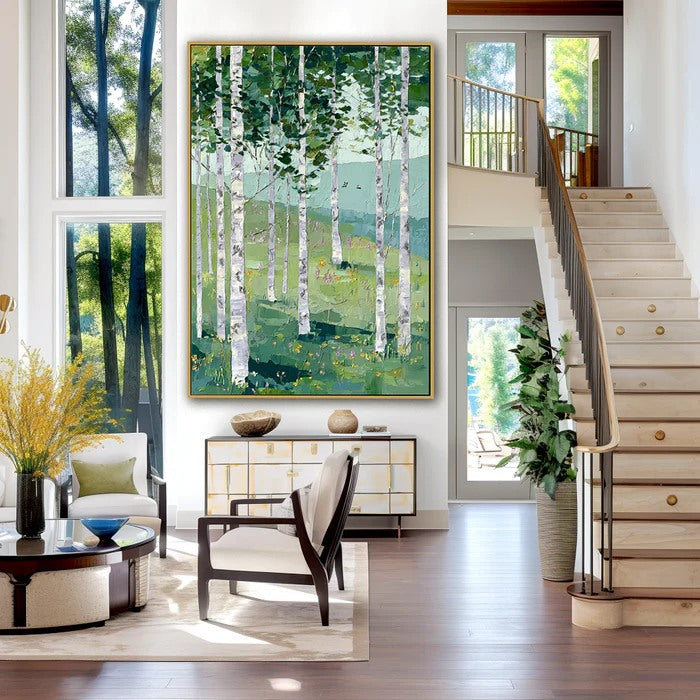
Abstract swirl paintings represent the convergence of fluid motion, color theory, and emotional expression. These captivating artworks feature dynamic spirals, waves, and circular blends that convey energy and depth beyond recognizable forms. In homes, galleries, and digital showcases, they embody a fluid aesthetic that resonates with contemporary audiences seeking both serenity and stimulation.
Origins and Artistic Evolution
The origins of abstract swirl paintings trace back to early 20th-century modernism, when artists like Wassily Kandinsky and Jackson Pollock explored movement and rhythm in color. However, the technique evolved dramatically with contemporary resin, acrylic pour, and digital art methods. Today, swirl compositions are a central theme in modern abstract art, blending psychology, geometry, and color energy to evoke emotion without constraint. Artists utilize spinning canvases, fluid-pouring techniques, and layering pigments to create unique, unrepeatable visual effects.
Market Trends and Data
The global market for abstract wall art has grown steadily, with data from major online art platforms showing a 27% increase in consumer searches for abstract swirl paintings since 2023. Interior design trends highlight fluid abstraction as a preferred choice for minimalist and modern spaces, aligning with a broader shift toward art that projects balance and flow. The demand is especially strong in luxury architecture, boutique hotels, and eco-conscious interiors where organic motion harmonizes with design sustainability.
At Artextured, we believe art should do more than decorate—it should transform spaces and inspire experiences. Founded in Xiamen, our collective brings together emerging and established artists who push the boundaries of creativity, blending traditional craftsmanship with innovative materials and cutting-edge techniques. Our journey into acoustic art began with a simple challenge: how to reduce ambient noise in our urban gallery. This led to the creation of our signature art-infused soundproof panels, merging aesthetic beauty with functional design. Today, our exclusive acoustic wall art collection exemplifies this philosophy.
Core Techniques and Materials
Creating an abstract swirl painting involves the interplay of color mixing, viscosity, and motion. Acrylic, oil, and resin remain the most common mediums, but artists increasingly incorporate sustainable pigments and metallic foils for luminosity. The flow technique—where liquid colors swirl across the surface—is central to achieving seamless transitions between hues. Digital artists now replicate these physical motions through generative algorithms, producing immersive visual experiences ideal for high-definition wall screens and NFTs.
Competitor Comparison Matrix
| Art Medium | Visual Impact | Customization | Durability | Popular Use |
|---|---|---|---|---|
| Acrylic Swirl Paintings | Vibrant and textural | Moderate | High | Modern interiors |
| Resin Swirl Artwork | Glossy and luxurious | Custom finishes | Very high | Luxury and hospitality |
| Digital Swirl Prints | Precise and scalable | Unlimited | Permanent digital format | Virtual decor and NFT markets |
Top Products and Applications
Collectors increasingly seek large-scale swirl canvases for open layouts, mezzanine walls, and reception areas. Smaller circular swirl paintings serve as meditative focal points in wellness spaces. In modern residential projects, they enhance spatial flow, harmony, and mood alignment. For commercial use, swirl art also functions as acoustic or reflective paneling, merging art and architecture.
Real User Cases and ROI
A design studio in Singapore integrated twelve custom swirl panels into a hotel atrium, reporting a 35% rise in visitor engagement and a noticeable acoustic improvement. In residential projects, homeowners noted improved visual ambiance and a more cohesive energy flow, particularly when color palettes matched biophilic design principles. For collectors, investment returns have grown steadily as abstract swirl pieces gain recognition in digital archives and art fairs.
Technological Evolution
Artificial intelligence and digital rendering tools now allow artists to simulate paint flow in 3D environments, creating predictive swirl outcomes before actual pouring. This introduces new levels of control while preserving the organic essence of motion. Augmented reality integration also enables clients to preview swirl artworks in their spaces, revolutionizing how art is selected and customized.
Future Trend Forecast
As sustainable design and mindfulness aesthetics continue shaping global interiors, abstract swirl paintings will remain central to the visual culture of modern spaces. Expect to see more integration of biophilic color palettes—teal, sand, ochre, and mineral green—paired with recycled materials and textured surfaces. Virtual swirl installations in metaverse galleries will extend their reach beyond physical walls, reinforcing their role as symbols of creative freedom and infinite continuity.
Relevant FAQs
What defines an abstract swirl painting?
An abstract swirl painting is an artwork featuring fluid, circular, and spiral movements that create dynamic visual patterns rather than figurative imagery.
Which materials are best for swirl art?
Acrylic and resin are the most popular mediums because of their fluidity and layering capability. Oils create smoother gradients, while digital media allow endless variations.
How do interior designers use swirl paintings?
They are favored for focal walls or open spaces to create movement, balance, and emotional texture within a room. Many use them to anchor minimalist design schemes.
Why are swirl paintings trending now?
Their fluid and meditative appearance aligns with wellness, mindfulness, and organic interior design movements that dominate modern architecture.
Can abstract swirl paintings increase property appeal?
Yes, visually compelling art can enhance perceived value, improve ambiance, and attract emotionally engaged buyers or clients.
Conversion Funnel: From Inspiration to Purchase
If you’re exploring how art can reshape your environment, begin by identifying color themes that align with your personal aesthetic. Next, view large-scale swirl pieces that echo natural motion. Finally, invest in quality artistry—whether hand-painted or digitally rendered—to ensure your space radiates harmony and contemporary sophistication.