

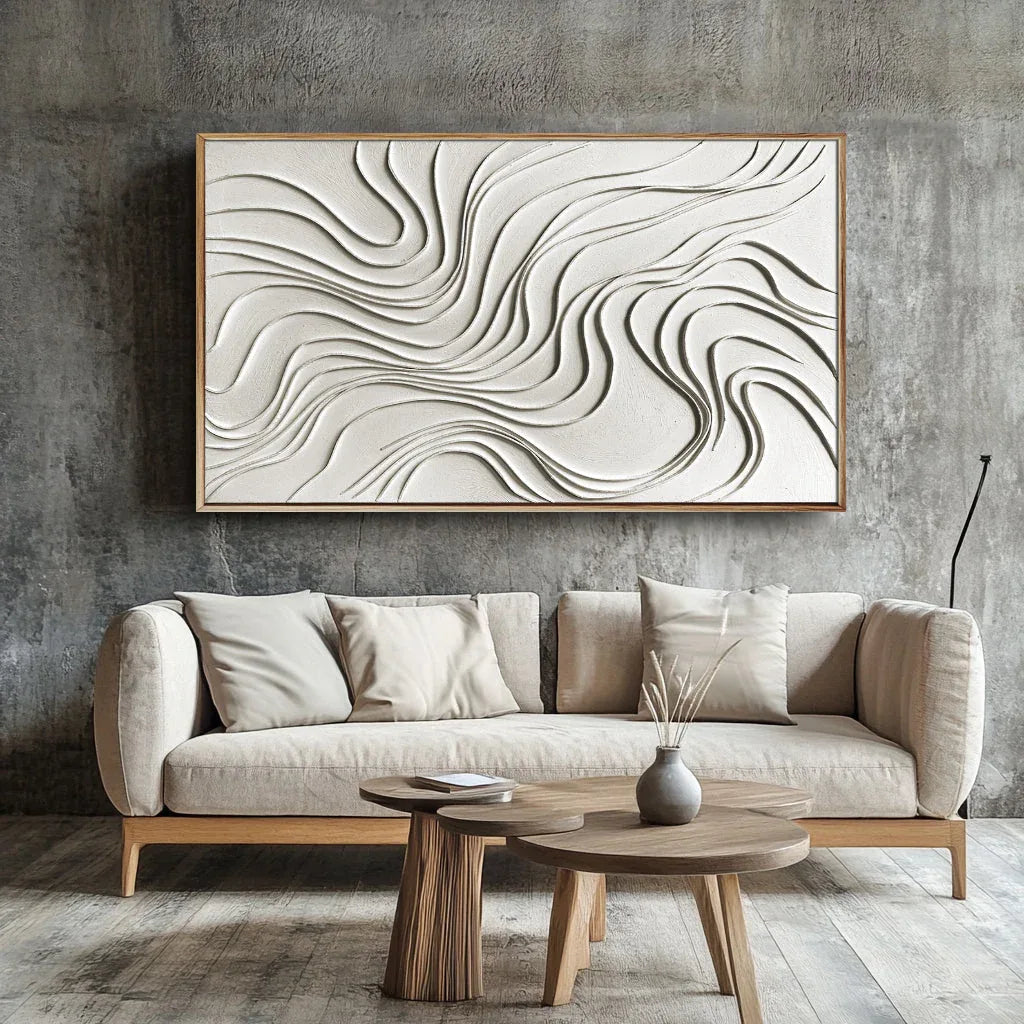
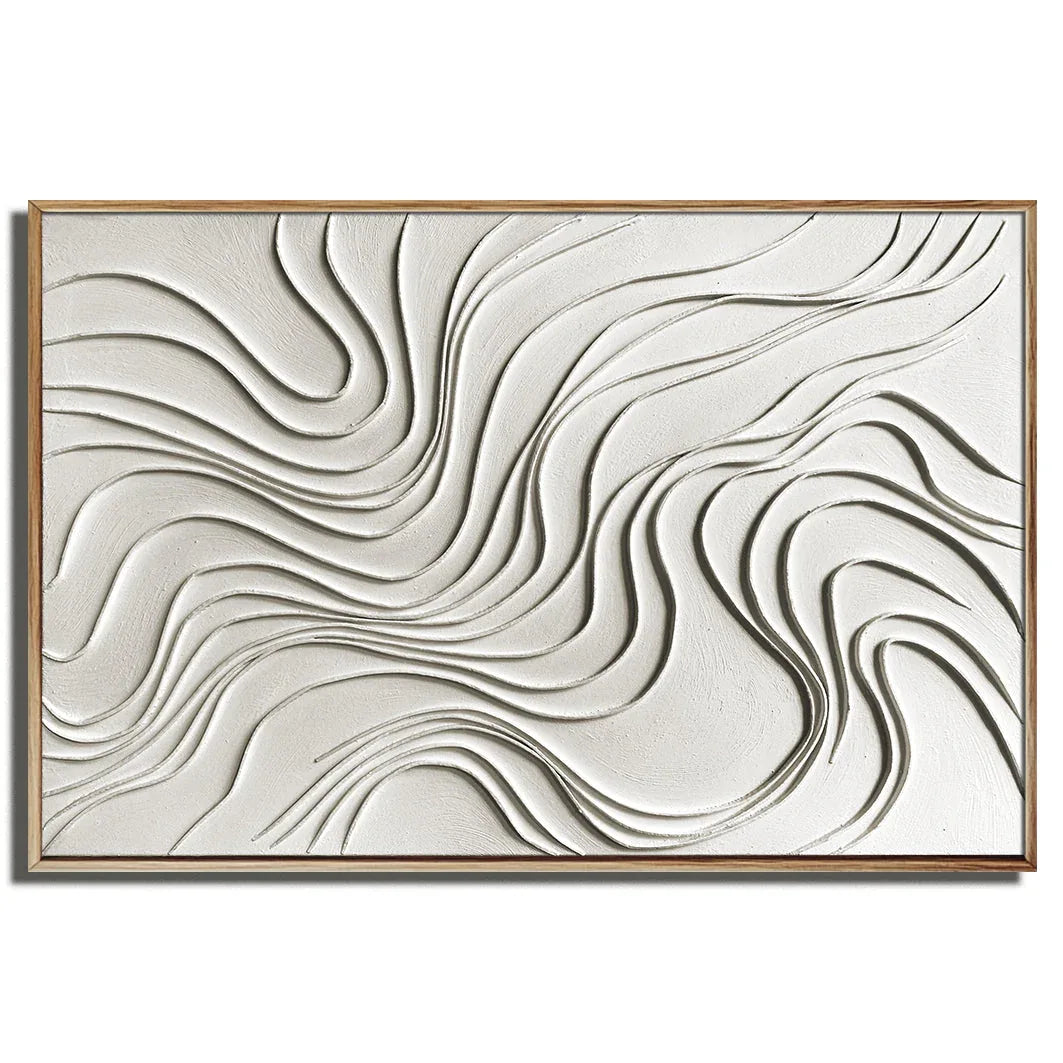
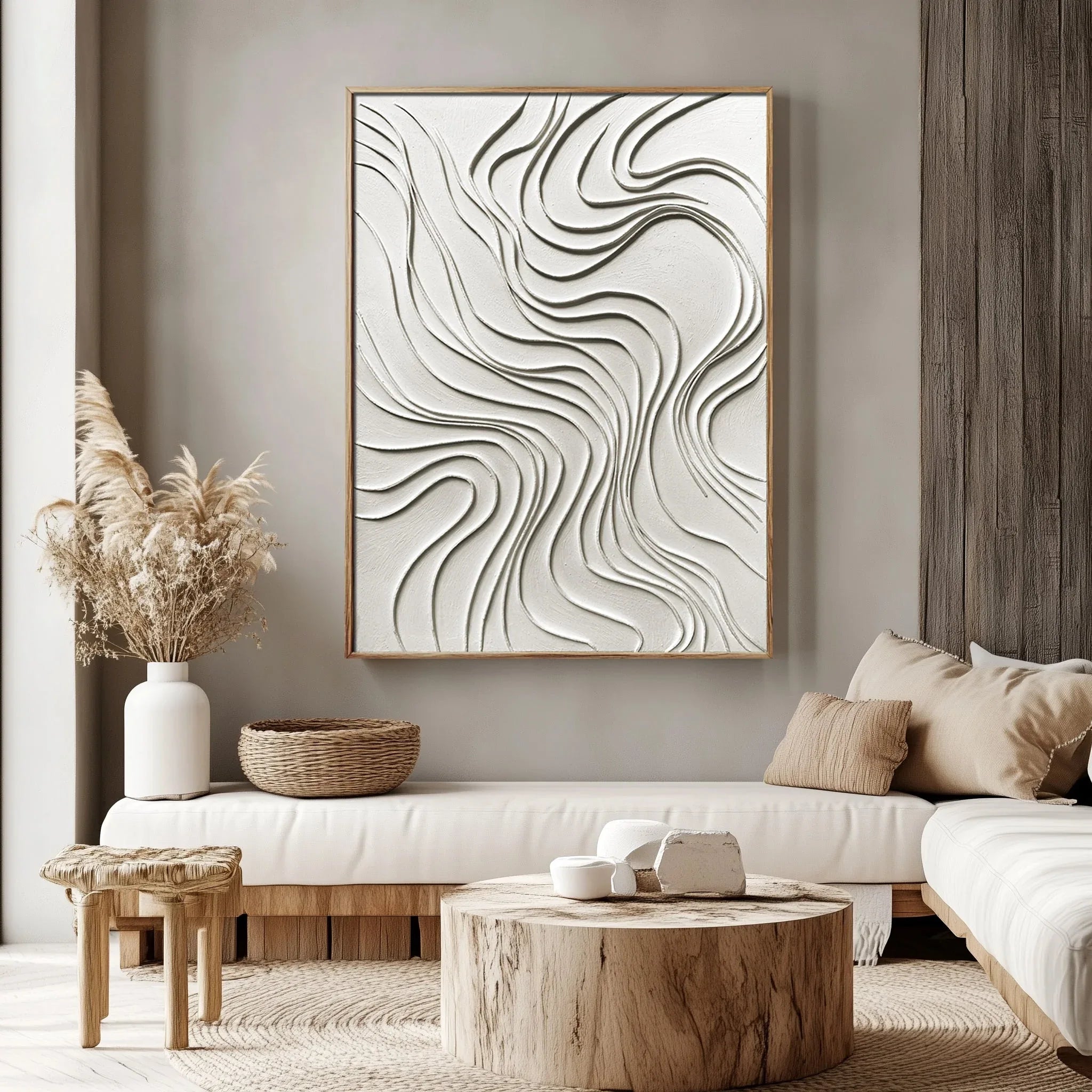
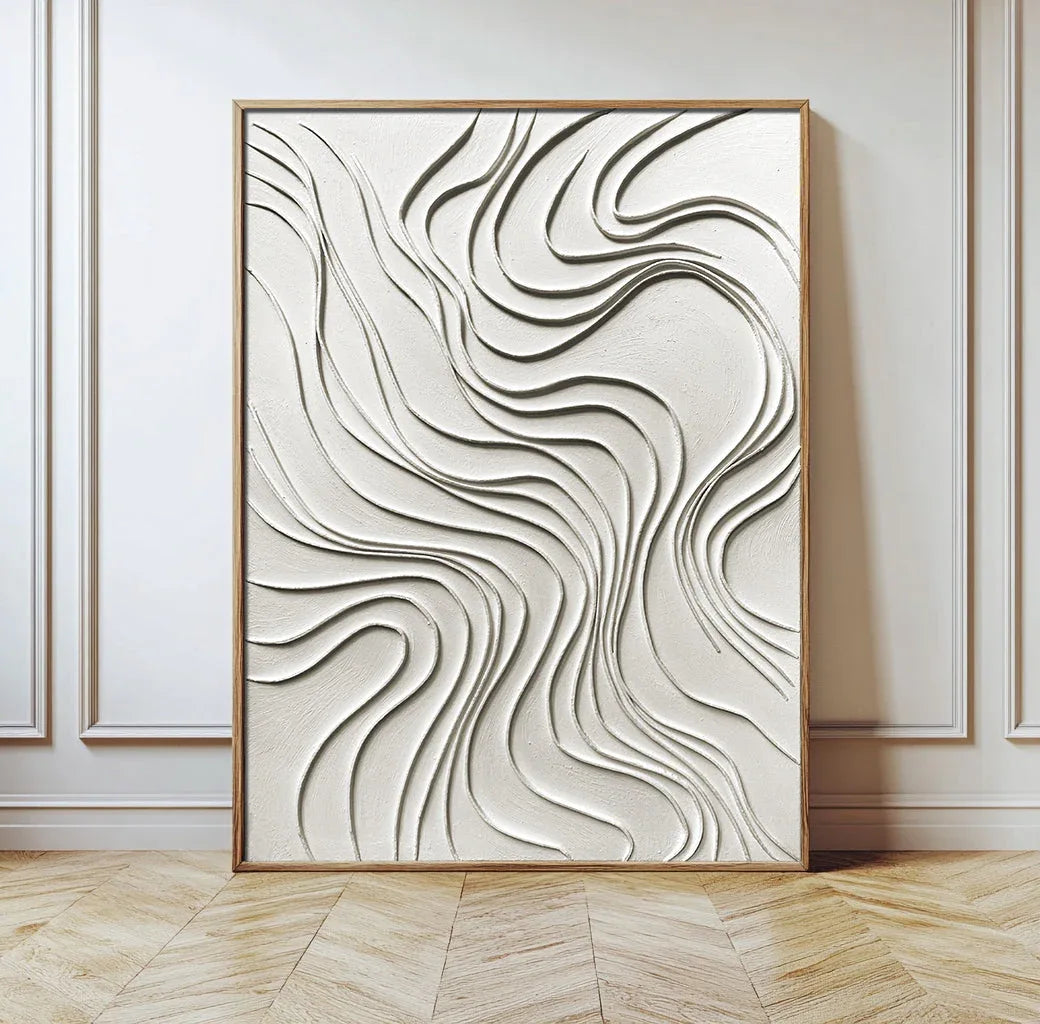
Flowing Serenity Wall Art

Size
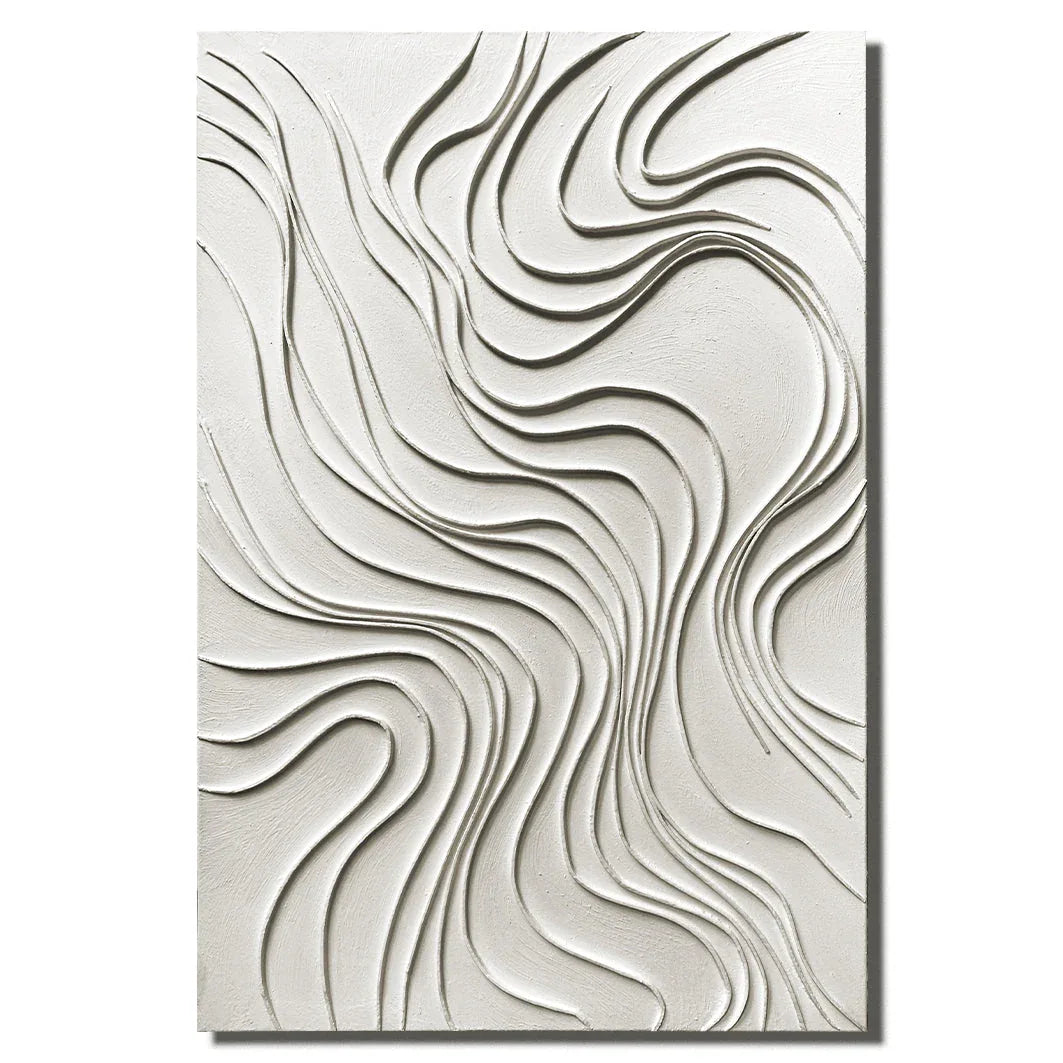
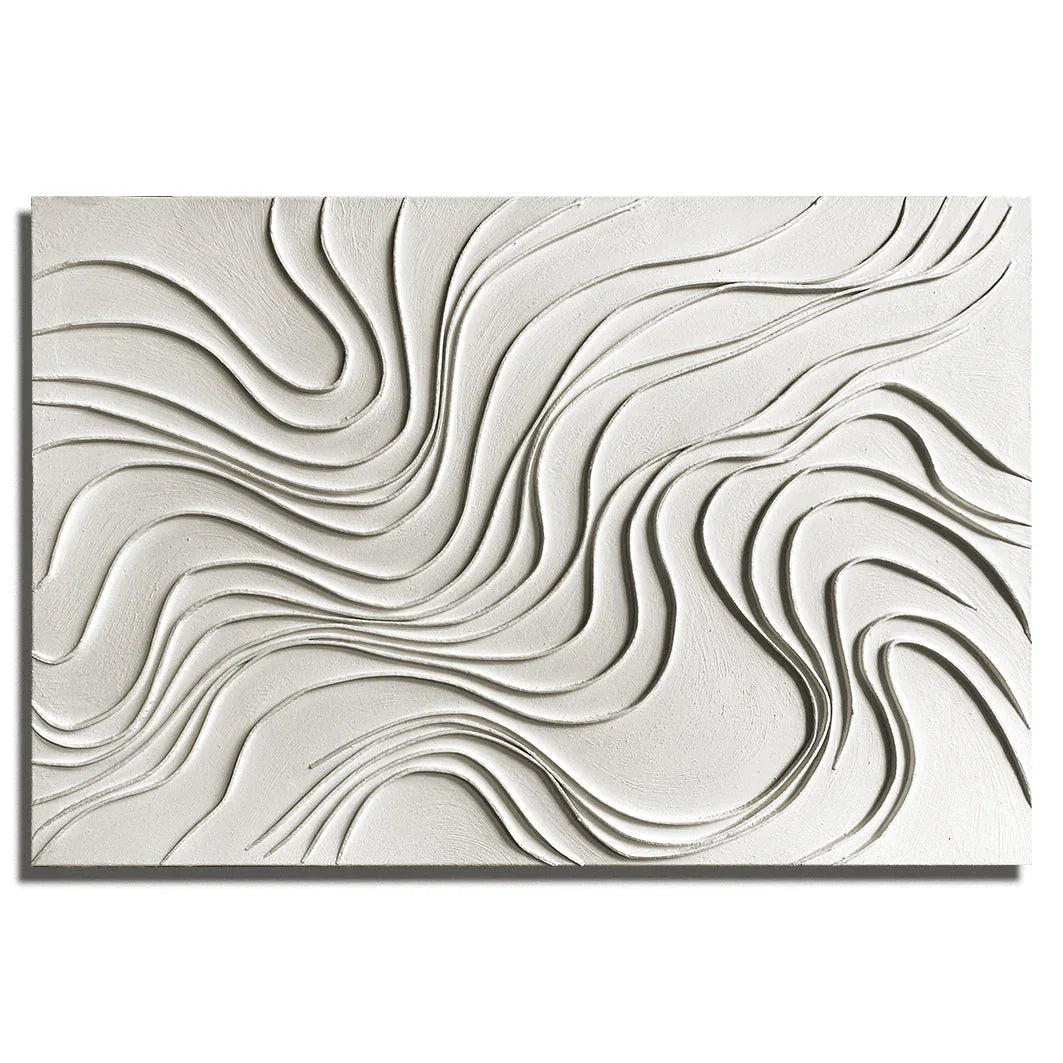
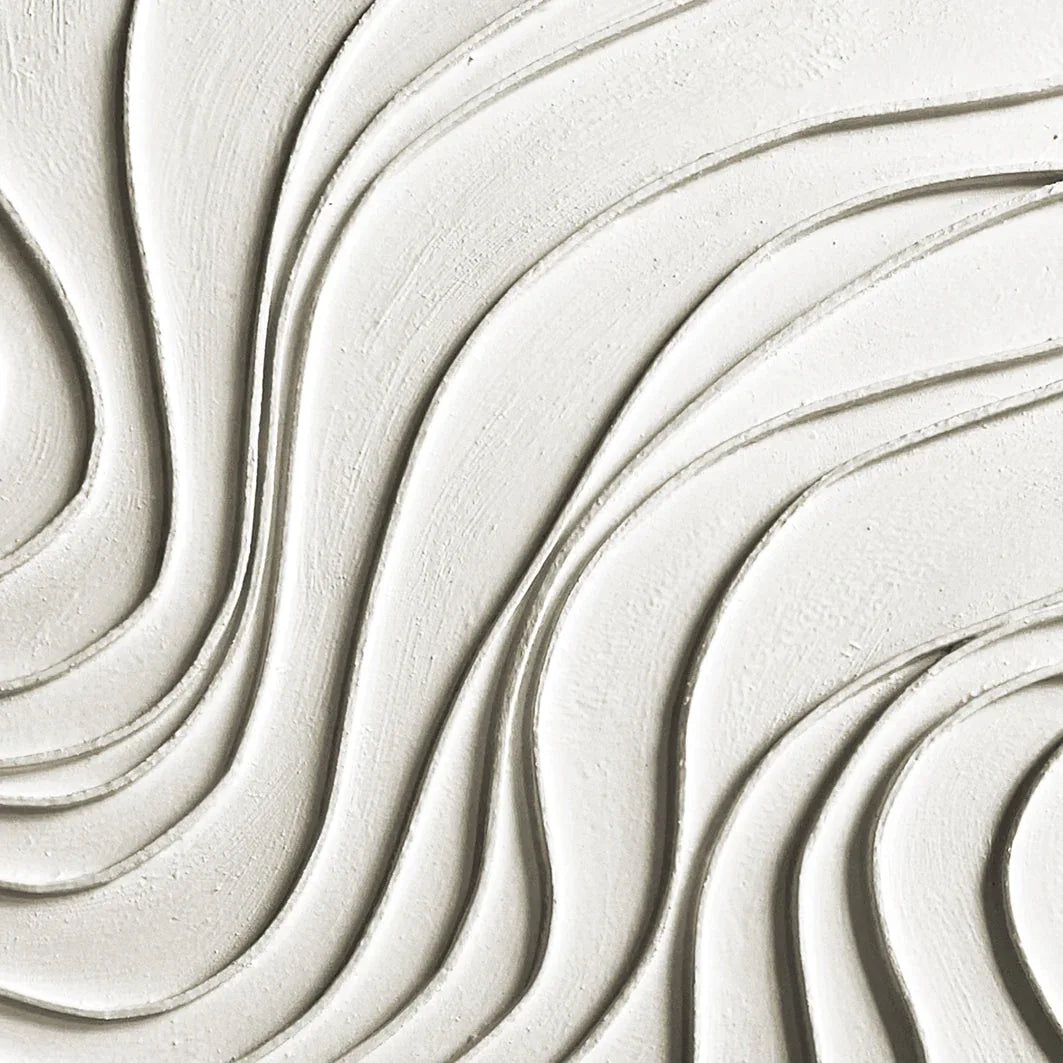
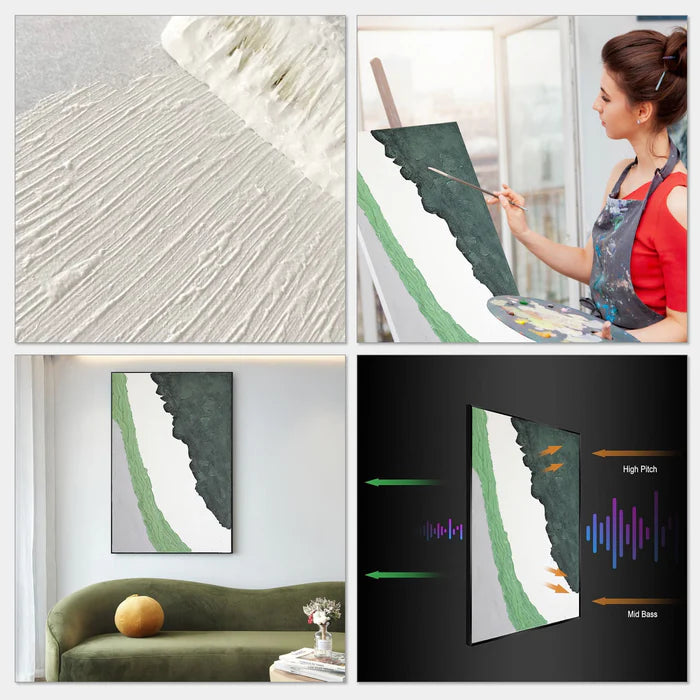
Transform your space with this elegant abstract wall art featuring fluid, wave-like patterns that evoke a sense of calm and movement. The handcrafted textured design creates a multidimensional effect, adding depth and sophistication to any room. Perfect for minimalist, modern, or natural interiors, this artwork serves as a stunning centerpiece for living rooms, bedrooms, or offices. The intricate details and harmonious flow of the design make it a timeless addition to your decor. Mounted on premium-quality canvas and framed with a natural wood finish, this piece is ready to hang and brings effortless elegance to your space.
Availability:Made-to-order
Processing time:1-2weeks by 100% Handcrafted
Shipping time:Generally 5-7 days by FedEx/DHL
Cost to ship:Free
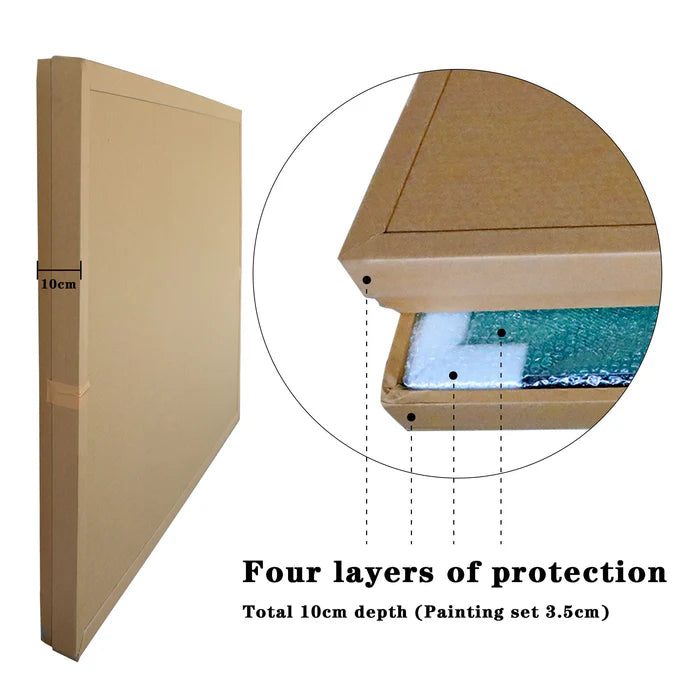
Packing:The work is packaged by artextured follows a standardized packaging process.
Signature:Sign on front at the lower right corner when the customer requires.
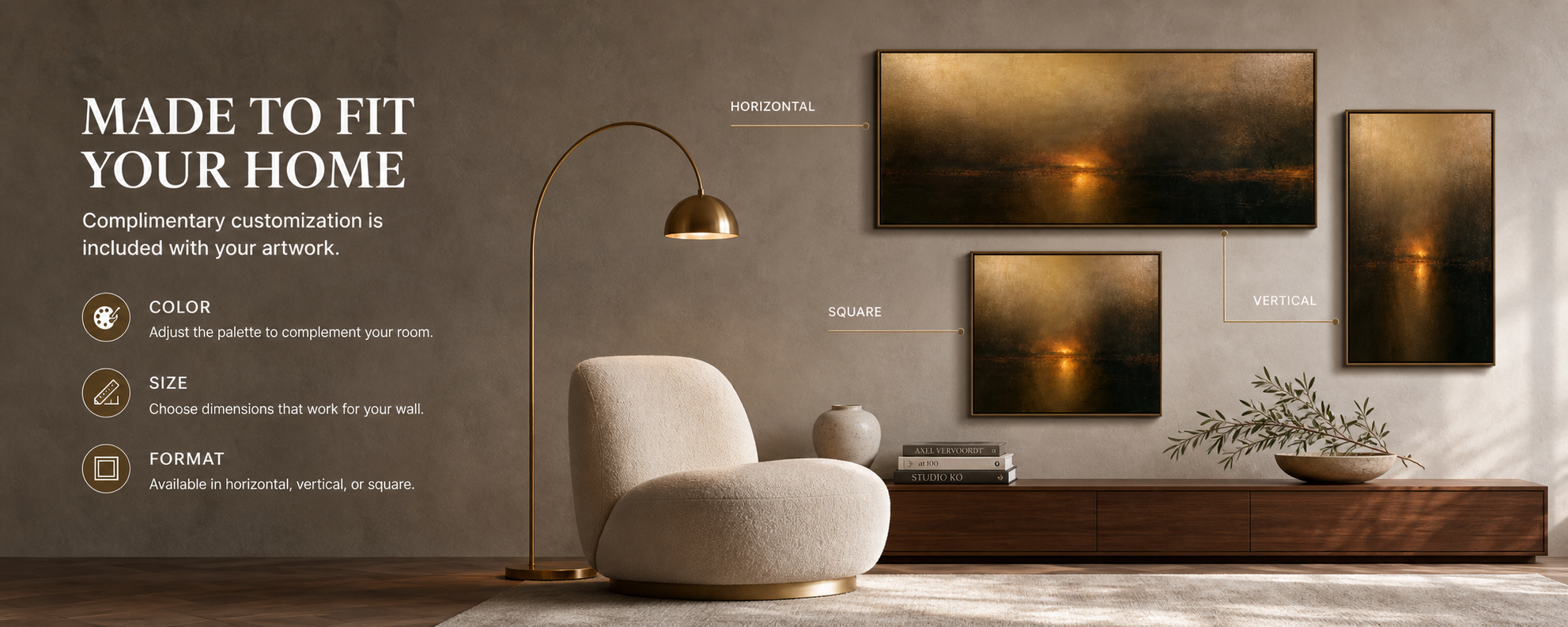
Customization:Custom size is available, please send it to contact for a quote,we would reply you in 24 hours.
Availability:Made-to-order
Processing time:1-2weeks by 100% Handcrafted
Shipping time:Generally 5-7 days by FedEx/DHL
Cost to ship:Free
Packing:The work is packaged by artextured follows a standardized packaging process.
Signature:Sign on front at the lower right corner when the customer requires.
Customization:Custom size is available, please send it to contact for a quote,we would reply you in 24 hours.


30-Day Money Back Guarantee
We will always make sure you are satisfied with your purchase.If you are not satisfied with your purchase, you can return eligible items within 30 days of receiving an orde or get a FULL refund.
We offer complimentary exchange for damaged item. If you have a damaged item during transportation, we thoroughly apologize, and ask that you send us a message and include your order number and a photo of your damaged artwork.Let us deal with courier companies.we will ship out the replacement just in a few days.
Returns Requirements
To initiate a return:
- The request must be within 30 days of receipt.
- Artwork should be in its original condition and packaging.
- Proper packaging is essential for a refund.
- Carefully unpack artworks to avoid damage.
For any questions or assistance with your return, please reach out at info@artextured.com. Our goal is to ensure your experience with Artextured is enjoyable and seamless.
Need Further Assistance?Contact Us - We're here to help ensure your satisfaction and address any questions or concerns.
Art Performance: UNIQUE Texture and Combination made easy.
Acoustic Performance: Diffuse, penetrating, and soft reflective effect on sound waves, making it more effective in sound absorption, noise reduction.
Durability: Durable against light & heat, not prone to damage. It’s also breathable, maintaining appearance for a long time with excellent color retention.
Flame Retardant: Flame Resistance: ASTM E84, UL723 : Class A (Interior Wall & Ceiling Finish Category)
Purchase Protection
Each piece undergoes rigorous quality control to provide you with a worry-free shopping experience.
Quality Assurance
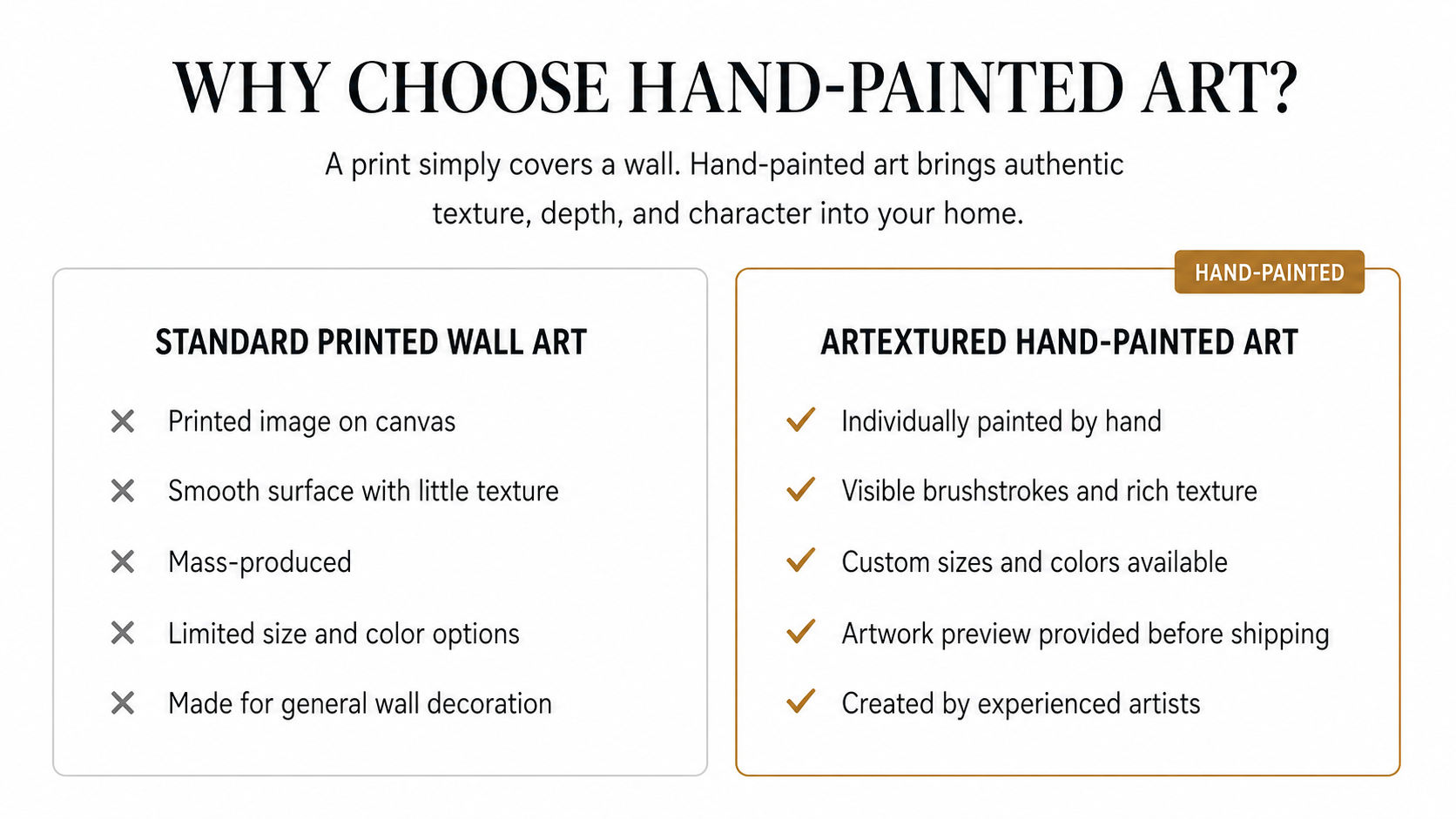
100% hand-painted, each piece undergoes rigorous quality control.
30-Day Returns & Exchanges
If you are not satisfied with the work, you may return or exchange it within 30 days of receipt, no questions asked.
Secure Packaging
Professional protective packaging ensures your artwork arrives in pristine condition.
Direct from the Artist
Directly from the artist's studio—no middlemen, no markup.
Dedicated Customer Service
Dedicated one-on-one customer support, ready to answer your questions at any time.
Authenticity Guaranteed
Accompanied by a certificate of authenticity signed by the artist.
FAQ
- Delivery Estimates: Orders are typically delivered within 3-4 weeks, with complex pieces taking up to 5-7 weeks.
- Completion Time: Artwork completion generally takes up to 14 days, with more intricate designs requiring up to 20 days.
- All-Inclusive Prices: Our prices are comprehensive, covering shipping, duties, and taxes, without hidden fees.
- Order Tracking: Stay updated with email notifications containing your order’s tracking information.
- How to Order: Choose your favorite art piece from Artextured, tailor it to your taste, and confirm your order. Our skilled artists begin crafting your artwork, typically ready in 10 business days. You’ll get a preview through a photo and video for your approval ahead of shipment. Expect the entire process to span 2-4 weeks.
- Craftsmanship: Each artwork at Artextured is authentically handcrafted, celebrating our community of dedicated artists and artisans. Note, the handcrafted nature of our work means slight color variations are natural.
- Artwork Previews: Yes, you’ll receive a photo and video preview of your artwork to ensure it meets your expectations.
- Custom Requests: Artextured welcomes requests for custom dimensions, color adjustments, or other bespoke modifications. Reach out via email with your details.
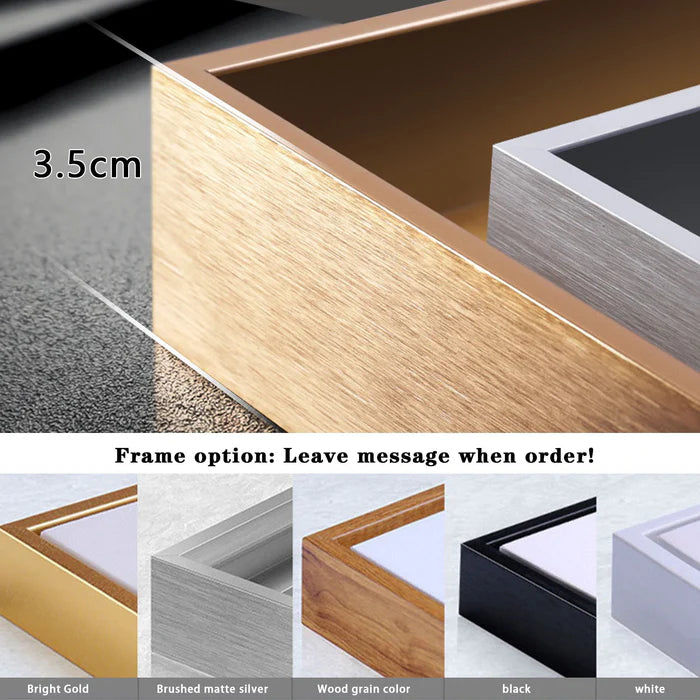
- Framing Options: Choose from Canvas Only, Wrapped Canvas, Framed Canvas, or Framed Acoustic options to complement your art.