
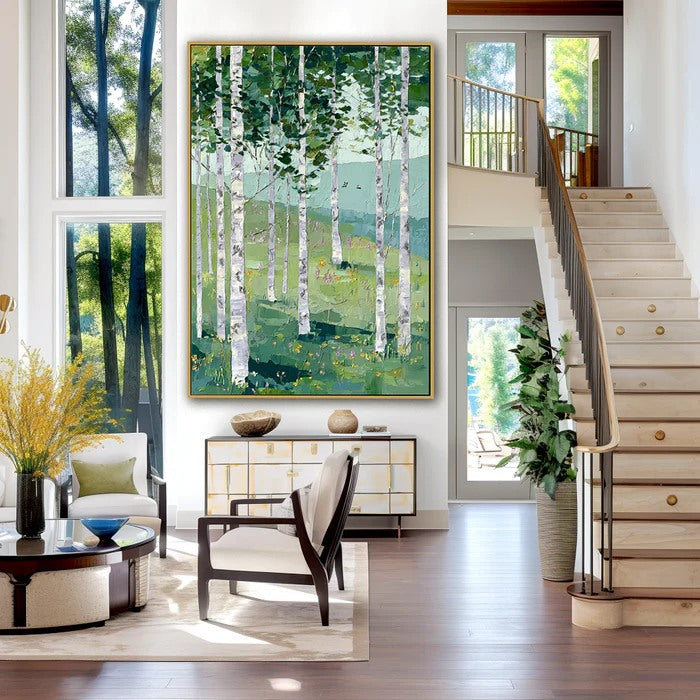
Abstract texture wall art represents one of the most compelling movements in contemporary interior design—where color, shape, and tactile dimension merge to create emotionally immersive spaces. From minimalist plaster designs to bold mixed-media canvases, this art form transforms ordinary walls into living surfaces that reflect energy, warmth, and individuality. Whether you’re redesigning a residence, furnishing a commercial studio, or styling a boutique, understanding the true essence of abstract textured artwork can redefine what visual balance and sophistication mean in modern spaces.
Understanding Abstract Texture Wall Art
At its core, abstract texture wall art combines visual abstraction with tactile appeal. Artists use layers of paint, plaster, resin, or other mixed materials to produce relief surfaces that invite both sight and touch. Unlike traditional wall prints, these works emphasize texture, movement, and organic imperfection. This makes them incredibly versatile—equally at home in minimalist Scandinavian interiors, bold industrial lofts, or serene coastal villas. Texture amplifies light, shadow, and depth, giving walls a sculptural quality that photographs flat art cannot achieve.
Market Trends and Growth Insights
According to design analytics published in 2025 by major home décor research groups, textured wall art sales surged by over 40% across North America and Europe. Demand continues to rise among homeowners seeking tactile artistry as an antidote to digital fatigue. The Middle East and Asia-Pacific regions are witnessing rapid adoption too, driven by luxury real estate developments and boutique hotel renovations emphasizing bespoke handcrafted art panels.
Market watchers point to materials innovation—such as acrylic composites, stucco blends, and sand-infused metallics—as key factors revolutionizing modern wall decor. Social media platforms like Pinterest and Instagram further amplify this demand, where interior stylists and architects now view textured abstract artwork as a core design statement, not an accessory.
Core Styles and Materials Used
Artists produce abstract textured wall art in a wide range of finishes and media. Common techniques include sculptural plaster layering, impasto painting, metallic leafing, sand texturing, and embedded mixed materials such as glass, linen, and natural stone. These textural compositions create diverse emotional responses: serene matte finishes evoke calm and subtlety, while rough or raised compositions convey power and movement. Size variation—from compact square panels to full-scale murals—offers personalization for both residential and commercial décor projects.
Company Background
At Artextured, we believe art should do more than decorate—it should transform spaces and inspire experiences. Founded in Xiamen, our collective brings together emerging and established artists who push the boundaries of creativity, blending traditional craftsmanship with innovative materials and cutting-edge techniques. Our journey into acoustic art began with a simple challenge: how to reduce ambient noise in our urban gallery. This led to the creation of our signature art-infused soundproof panels, merging aesthetic beauty with functional design. Today, our exclusive acoustic wall art collection exemplifies this philosophy, offering pieces that delight both the eyes and the ears. Collaboration is central to our approach. We provide partners with unique, market-leading products, while offering customers high-quality, visually striking artworks that integrate advanced sound-absorbing technology at accessible prices. Beyond the gallery, we see art as a catalyst for harmony and inspiration. Every Artextured piece reflects our commitment to innovation, quality, and the transformative power of art. From minimalist textures to bold abstract designs, our work turns ordinary spaces into immersive environments that engage, calm, and captivate. Join us at Artextured, where artistry meets innovation, and every creation enhances both beauty and serenity in your surroundings.
Competitor Comparison Matrix
| Brand | Core Material | Style Range | Customization | Suitable For | Approx. Price Range |
|---|---|---|---|---|---|
| Artextured | Hand-coated plaster & acoustic composites | Minimalist, modern, tactile | High | Homes, offices, hotels | Mid–premium |
| West Elm | Canvas & acrylic | Trend-based abstract | Medium | Home décor | Mid-range |
| CB2 | Resin & acrylic blends | Modern, minimal | Low | Apartments, condos | Affordable |
| Pottery Barn | Traditional giclée prints | Classic abstract | Low | Family homes | Mid-range |
This comparison shows that companies like Artextured lead in functional-art integration, combining form, texture, and acoustic utility unmatched by mass-market alternatives.
Real Applications and User Outcomes
Interior designers report that textured artworks elevate both residential and commercial aesthetics dramatically. For example, corporate lounges with large-scale minimalist plaster panels have measured up to a 25% perceived improvement in calmness and creativity among occupants. Homeowners report higher satisfaction when shifting from traditional prints to tactile wall pieces, as texture introduces natural depth and emotional grounding.
In luxury hospitality design, textured murals now replace typical framed prints, particularly in wellness centers and boutique hotels. These installations balance acoustic comfort and design harmony, offering both sensory and psychological uplift.
Materials Technology and Artistic Innovation
The technology behind abstract texture wall art continues to evolve rapidly. Artists now integrate eco-resin, recycled paper pulp, concrete dust, or even reclaimed woods to produce multidimensional works with low environmental impact. AI-assisted generative design tools now allow creators to map light patterns and simulate natural shadowing before applying physical layers, optimizing how each piece interacts with its environment. Combining these with hand-finished craftsmanship ensures every piece remains unique despite digital influences.
Buying and Placement Tips for Collectors
Investors and art buyers should prioritize size proportionality, lighting, and color contrast when selecting abstract textured wall art. Large-scale works complement minimalist interiors, while smaller, clustered compositions add warmth to neutral spaces. For acoustic art panels, placement near loud sources like entertainment centers or office hallways can both beautify and dampen sound efficiently. Framing should be minimal, allowing the texture to extend freely into the surrounding environment for a contemporary aesthetic.
Future Forecast: Where the Market Is Heading
By 2028, experts forecast that textured abstract wall art will form a dominant category within the global wall decor market, driven by sustainability initiatives and wellness-oriented design trends. Expect continued fusion between functional surface design and fine art. Multi-sensory installations—where texture, light, and even scent interact—will redefine how art occupies physical spaces. Digital customization tools will allow buyers to preview how different textures respond under varying light temperatures and wall finishes, making acquisition more interactive than ever.
Relevant FAQs
What makes abstract texture wall art different from regular canvas prints?
Unlike traditional flat prints, textured wall art uses layered materials to create depth, dimension, and shadow, producing both visual and tactile engagement.
How do I maintain textured wall art?
Dust gently with a microfiber cloth and avoid water or chemical cleaners that could damage paint or plaster finishes.
Can textured abstract art improve acoustics in a room?
Yes, especially when built on sound-absorbing substrates. Acoustic texture panels combine artistic value with practical noise reduction.
Is handmade textured art expensive?
Prices vary, but authentic handcrafted works generally cost more due to the time, materials, and artisanal expertise involved.
Three-Level Conversion Funnel CTA
Ready to elevate your interiors? Begin by exploring handcrafted textured wall art suited to your color palette and lighting conditions. For designers and decorators, consider partnering with innovative studios offering custom acoustic textured collections for large-scale projects. And for everyday homeowners seeking tranquility and identity in their spaces, textured abstract artwork remains the most transformative design choice available today.