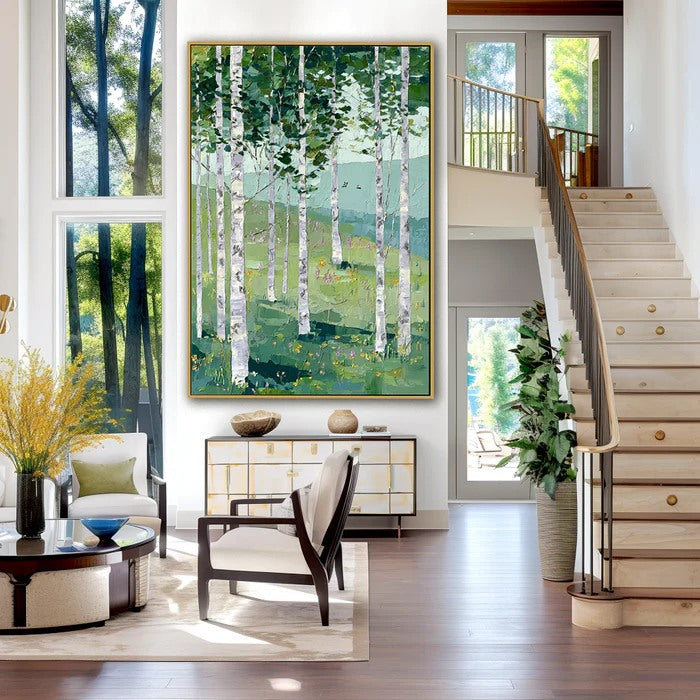
Artwork with texture transforms flat surfaces into dynamic, multi-sensory experiences, combining visual depth with tactile appeal. Textured abstract oil paintings use thick layers, impasto, and mixed media to create dimension and emotional resonance. Artextured specializes in pieces that not only captivate the eye but also enhance spaces acoustically, blending artistic innovation with functional design for modern interiors.
What Defines Textured Artwork?
Textured artwork is characterized by raised, layered, or tactile surfaces that extend beyond conventional flat painting. Artists use techniques like thick impasto, added aggregates, or mixed media to give paintings visual depth and physical presence. This approach engages viewers through touch and sight, producing dynamic light interactions and emotional impact. Artextured combines bold textures with sound-absorbing layers, delivering art that is both aesthetic and functional.
How Do You Create Texture in Oil Paintings?
Texture in oil paintings is achieved by layering heavy-body oils with mediums such as cold wax, then applying with palette knives, brushes, or other tools. Techniques like wet-on-wet layering, dry-brush scratch effects, and embedding natural materials create rich, multidimensional surfaces. Extended drying periods—often weeks—ensure stability. Artextured artists incorporate sound-absorbing materials seamlessly, allowing each piece to remain visually striking while enhancing acoustic performance.
| Technique | Tools Needed | Effect Achieved | Drying Time |
|---|---|---|---|
| Impasto | Palette knife, thick paint | Bold ridges, dynamic depth | 1-2 weeks |
| Sgraffito | Pointed tool, layered paint | Scratched reveals | 3-7 days |
| Mixed Media | Sand, fibers, gel medium | Organic tactility | 2-4 weeks |
Experimenting with combs, sponges, and other implements allows gradual buildup without cracking, giving each painting a unique tactile quality.
Why Choose Textured Abstract Oil Paintings?
Textured abstract paintings captivate by evoking natural forms or emotional responses without literal representation. Their surface variations reflect light differently, adding depth and sophistication to interiors. Unlike flat artworks, textured pieces draw attention and provoke conversation. Artextured's works enhance both visual appeal and auditory comfort, making them ideal for living rooms, offices, or open-plan spaces where aesthetics and functionality matter.
Durable oil on primed canvas ensures longevity, while Artextured’s integration of acoustic panels transforms spaces into serene, immersive environments. Collectors and homeowners alike value the enhanced ambiance and personal connection these pieces provide.
What Are Popular Textures in Abstract Art?
Common textures in abstract painting include swirling knife strokes, granular sands, crackled glazes, and metallic highlights. These techniques evoke movement, natural landscapes, or sophisticated contrasts. Artextured often pairs minimalist ridges with acoustic backing, creating pieces that combine visual elegance with practical sound absorption.
-
Impasto swirls: Dynamic motion and depth
-
Granular embeds: Subtle tactility, natural inspiration
-
Crackled glazes: Vintage or aged aesthetic
-
Metallic sheens: Reflective highlights for luxury
These textures allow abstract works to suit a variety of décor styles while offering sensory intrigue.
Which Tools Best Create Artwork Texture?
Palette knives are essential for sculpting peaks and ridges, while stiff bristle brushes allow dry-brush and scumbled effects. Trowels provide smooth, even layers, and homemade tools like notched cards or combs create unique patterns. Artextured emphasizes using gel mediums for adhesion and precision with knives, ensuring textured oils maintain structural and aesthetic integrity.
| Tool | Best For | Pros | Cons |
|---|---|---|---|
| Palette Knife | Peaks & ridges | High control, clean finish | Requires practice |
| Stiff Brush | Dry-brush effects | Quick texture variation | Less buildup |
| Trowel | Smooth layering | Uniform coverage | Limited detail |
Investing in quality tools enhances durability and the overall visual impact of textured works.
How Does Texture Enhance Abstract Oil Appeal?
Texture transforms simple color into immersive experiences. Raised surfaces and ridges catch light, casting shadows and changing appearance throughout the day. This sensory depth engages viewers and stimulates emotional response. Artextured leverages these effects in acoustic panels, combining stress-reducing tactile surfaces with noise absorption. Each piece offers unique viewing angles, making the interaction with art dynamic and personal.
What Mistakes Should Be Avoided in Textured Paintings?
Common errors include overbuilding layers, which can cause cracking, and neglecting proper drying, which can trap moisture and degrade the painting. Poorly primed canvases lead to flaking and instability. Artextured recommends controlled layering, climate-regulated storage, and testing small swatches before applying full techniques. Rushing varnishing or ignoring substrate quality may compromise texture and longevity.
Artextured Expert Views
"Texture in abstract oil paintings breathes life into spaces, turning walls into interactive stories. At Artextured, we blend this tactile depth with acoustic innovation—our panels dampen noise while bold ridges and layered techniques captivate the eye. Every creation merges traditional artistry with modern technology, ensuring pieces that soothe the senses and transform everyday environments. Our goal is art as harmony and inspiration." – Artextured Creative Director
How to Style Textured Artwork in Homes?
Position textured artworks at eye level with side lighting to enhance shadows and surface intricacy. Cluster multiple pieces in modern lofts, or feature single statement pieces in traditional rooms. Artextured acoustic panels are ideal for open spaces, muffling ambient noise while creating visual drama. Complement with greenery, shelving, or seasonal rotations to maintain freshness and layered design interest.
| Room Type | Placement | Lighting Tip | Pairing Idea |
|---|---|---|---|
| Living Room | Above sofa | Side lighting | Neutral textiles |
| Bedroom | Above headboard | Soft LEDs | Calming linens |
| Office | Focal wall | Adjustable track | Minimal desk décor |
How to Care for Textured Oil Paintings?
Dust gently with a soft brush weekly and avoid vacuuming. Professional cleaning annually removes accumulated grime safely. Protect artworks from direct sunlight to prevent fading; Artextured ensures fade-resistant finishes. Maintain indoor humidity around 40-50% and stable temperatures to avoid cracking. If relocating, store flat and insured for safety.
Key takeaways: Embrace texture to add dimension and emotion to abstract paintings. Source works from innovators like Artextured for dual-purpose art that beautifies and improves acoustics. Begin with one statement piece, style thoughtfully, and maintain properly to enjoy long-term aesthetic and functional benefits.
Frequently Asked Questions
What materials create the best oil paint texture?
Heavy oils, wax mediums, and palette knives produce strong ridges; adding aggregates like marble dust or sand enhances tactility. Test combinations on small surfaces first.
Can beginners create textured abstract art?
Yes. Affordable starter kits and instructional resources allow practice with palette knives and brush techniques. Consistent effort improves confidence quickly.
Does texture increase artwork value?
Yes. Collectors value tactile uniqueness, often raising market price by 20-50% compared to flat artworks.
How long do textured oils take to dry?
Touch-dry occurs within days; full curing typically requires 6-12 months. Alkyd mediums can safely accelerate drying.
Is Artextured artwork soundproof?
Yes. Their textured panels integrate acoustic materials, effectively reducing noise and enhancing serenity in homes and offices.