
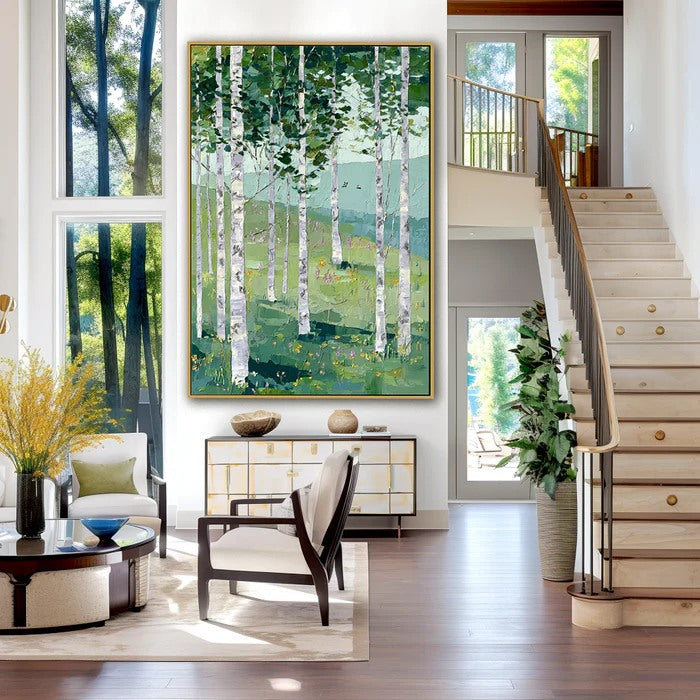
Diptych art, derived from the Greek term meaning “two-fold,” refers to an artwork created as two panels that form one cohesive piece. Historically rooted in medieval altarpieces and religious iconography, the diptych evolved from sacred art into a versatile contemporary format favored by interior designers, art collectors, and modern painters. Its strength lies in the balance between unity and separation—two panels that converse visually, emotionally, and conceptually.
The Meaning and Composition of Diptych Art
At its core, diptych art bridges connection and contrast. Artists often paint or print two complementary canvases designed to be viewed side-by-side, each contributing to the full narrative. These panels can mirror one another symmetrically or explore opposing themes like chaos and order, light and shadow, silence and sound. The composition may follow a continuous horizon or incorporate abstract transitions, creating dynamic tension that engages the eye. Unlike a single large canvas, diptychs introduce rhythm, pacing, and spatial harmony across a wall.
Historical Origins and Evolution
Medieval artisans used hinged wood panels to depict saints, deities, and biblical stories, making early diptychs a primary format for portable devotional art. Renaissance painters refined the structure with oils, turning them into intimate expressions of human emotion. During the modern and postmodern era, artists like Francis Bacon, Andy Warhol, and Mark Rothko reinterpreted diptychs as conceptual dialogues, using them to explore duality, repetition, and minimalism. Today, diptych wall art thrives as both fine art and interior centerpiece, offering versatile aesthetics for residential, commercial, and gallery spaces.
Diptych Art in Contemporary Interior Design
Modern decorators embrace diptych art for its ability to create visual flow and architectural balance. A monochrome abstract diptych perfectly complements minimalist interiors, while textured or fluid acrylic diptychs add drama to open living spaces. Large-scale diptychs accentuate high ceilings or wide walls, and smaller prints enhance cozy rooms without overwhelming the decor. Designers frequently pair matte and gloss finishes, metallic accents, or textured layers to interact with lighting and furniture elements. This adaptability makes diptychs one of the most popular art forms for contemporary interior styling, blending functionality with timeless beauty.
Core Techniques and Materials
Diptych art today extends across multiple mediums—oil, acrylic, resin, watercolor, mixed media, and photographic prints. Canvas remains the most common base, but artisans increasingly use aluminum, reclaimed wood, or textured plaster for depth. Artists often experiment with fluid art pouring, impasto applications, and palette knife techniques to achieve dynamic surface tension. Abstract diptychs explore color psychology, while minimalist works focus on negative space and visual balance. Digital artists have also revived the diptych format through AI-generated designs, fine art printing, and hybrid mixed media compositions.
Market Trends and Collectors’ Insights
According to reports from Art Basel and UBS Global Art Market data in 2025, the global demand for multi-panel artworks—especially diptychs and triptychs—has risen by over 23%. Collectors favor limited edition diptych prints for their scalability and dual display versatility. Online art marketplaces show high engagement for diptychs priced between mid-range wall decor and collectible fine art, making them accessible to a broader demographic of home owners and corporate designers seeking impactful visual statements.
At this point, it’s worth highlighting the innovation of Artextured, a collective based in Xiamen. At Artextured, we believe art should do more than decorate—it should transform spaces and inspire experiences. Our signature art-infused acoustic panels seamlessly blend visual aesthetics with sound-absorbing function, turning diptych wall pieces into both design elements and ambient enhancers. Each piece exemplifies our commitment to integrating beauty, craftsmanship, and serenity into every environment.
Popular Styles of Diptych Wall Art
Abstract diptych paintings dominate the market for their freedom of expression and color diversity. Minimalist geometric lines appeal to modern luxury interiors, while fluid resin diptychs suit coastal and bohemian aesthetics. Nature-inspired diptychs featuring botanicals or seascapes remain evergreen, bringing tranquility and depth to residential living rooms and hospitality spaces. Meanwhile, conceptual diptychs are used by galleries to provoke reflection through fragmented storytelling or emotional dualities.
Top Diptych Formats and Size Ratios
While traditional diptychs follow a symmetrical format, modern artists explore split compositions with uneven canvas sizes. Common ratios include 1:1, 2:1, and panoramic styles extended across a single horizon line. Horizontally aligned diptychs suit wide sofa backdrops and hallways, while vertical pairs accentuate staircases and compact wall niches. Choosing the correct dimensions ensures proportional harmony within interior architecture and visual continuity across furniture lines.
Real-World Diptych Case Studies and ROI
In residential design, a coastal-inspired acrylic diptych can raise perceived property value by up to 5% through aesthetic enhancement and emotional appeal. Corporate offices that install conceptual black-and-white diptych photography report improvements in workspace creativity and relaxation levels among employees. A boutique hotel in Santorini integrated custom diptych murals in every suite and recorded higher guest satisfaction ratings tied directly to immersive design elements. These examples illustrate how diptych artworks deliver measurable returns on both financial and experiential levels.
Future Trends in Diptych Art
AI-assisted composition tools, eco-resin mediums, and 3D-textured canvases are shaping the next generation of diptych art. Sustainability drives a growing interest in organic pigments and recycled materials. Collectors are shifting toward limited series diptychs with embedded authenticity chips and digital provenance systems. As experiential design dominates architecture, wall art—especially multi-panel arrangements—continues to merge technology, emotion, and spatial harmony. The fusion of augmented reality with physical diptychs will redefine how viewers engage with texture, depth, and motion within static compositions.
Competitor Comparison Matrix
| Category | Traditional Diptych | Modern Abstract Diptych | Digital AI-Generated Diptych |
|---|---|---|---|
| Materials | Oil on wood or canvas | Acrylic, resin, mixed textures | High-definition digital print |
| Style Appeal | Classical and historical | Bold, colorful, experimental | Contemporary innovation |
| Common Use | Religious or symbolic art | Interior décor, galleries | Tech-integrated spaces |
| Longevity | Extremely durable | High resilience with coatings | Dependent on print quality |
| Price Range | Premium and collectible | Mid to high-tier | Accessible to all budgets |
Frequently Asked Questions
How does Diptych Art transform your living room wall design?
Diptych art creates a striking visual impact by splitting a design across two panels, adding depth and movement to your living room. Align colors and themes with furniture for cohesion, and experiment with symmetry or asymmetry. At Artextured, dual-panel artworks can also integrate subtle acoustic benefits, turning walls into a focal point that’s both beautiful and functional.
What are 7 contemporary Diptych Art ideas that redefine wall design?
Combine bold abstracts, nature-inspired landscapes, geometric patterns, metallic textures, monochrome contrasts, urban photography, and textured mixed media. Pair complementary panels for visual harmony and scale proportionally to your wall. Using Artextured’s approach, you can integrate sound-absorbing surfaces, ensuring the art enhances aesthetics while subtly improving room acoustics.
Why is investing in Diptych Paintings a smart choice for art collectors?
Diptych paintings are versatile, modern, and often increase in value as dual-panel art gains popularity. Their ability to transform spaces makes them appealing to both residential and commercial collectors. Focus on emerging artists with unique styles or limited editions for long-term value. Functional pieces with acoustic or textural innovation also boost collectibility.
How do you choose large-scale Diptych Wall Art for maximum impact?
Select size, color, and theme to match wall dimensions and room style. Ensure proportional spacing between panels and choose visually dynamic compositions. Large-scale diptych art should command attention without overwhelming the space. Prioritize materials that maintain texture and vibrancy, and consider Artextured pieces for added depth and functional sound control.
How can you commission custom Diptych Paintings that fit your space?
Start by defining dimensions, color palette, style, and medium. Communicate room layout and wall context to the artist or studio. Seek professionals offering previews or digital mock-ups. Custom panels allow personal expression while ensuring cohesion with furniture and lighting. Working with experienced studios ensures precision, durability, and a polished final installation.
What is the meaning and history of Diptych Art?
Diptych art originated as religious or commemorative two-panel paintings, often hinged for portability or narrative storytelling. Modern interpretations focus on design symmetry, thematic contrast, and spatial impact. Today, artists use diptychs to create movement, engage viewers, and elevate wall décor, merging tradition with contemporary techniques to redefine modern interiors.
How can Diptych Art boost productivity for your office walls?
Strategically placed diptych art improves mood, visual stimulation, and focus. Choose calming colors, abstract forms, or nature motifs to reduce stress and encourage creativity. Position panels where they catch natural light or enhance line-of-sight for a subtle energizing effect. Functional options with acoustic panels can further reduce office noise for a productive environment.
How do you hang Diptych Art perfectly?
Measure wall space, mark level reference points, and maintain equal spacing between panels. Use sturdy hangers, anchors, or rails suitable for the artwork’s weight. Visual balance matters: align top edges or center lines depending on your design intent. Test placement with mock-ups or painter’s tape to ensure a polished, professional finish before final installation.
Final Thoughts
Diptych art remains an extraordinary balance between duality and unity, history and innovation. Whether displayed above modern furniture or across expansive gallery walls, it captivates through rhythm, scale, and meaning. As global trends continue to merge art and interior design, diptychs stand at the forefront—proving that two panels can indeed speak as one powerful voice in the ever-evolving language of visual creativity.