
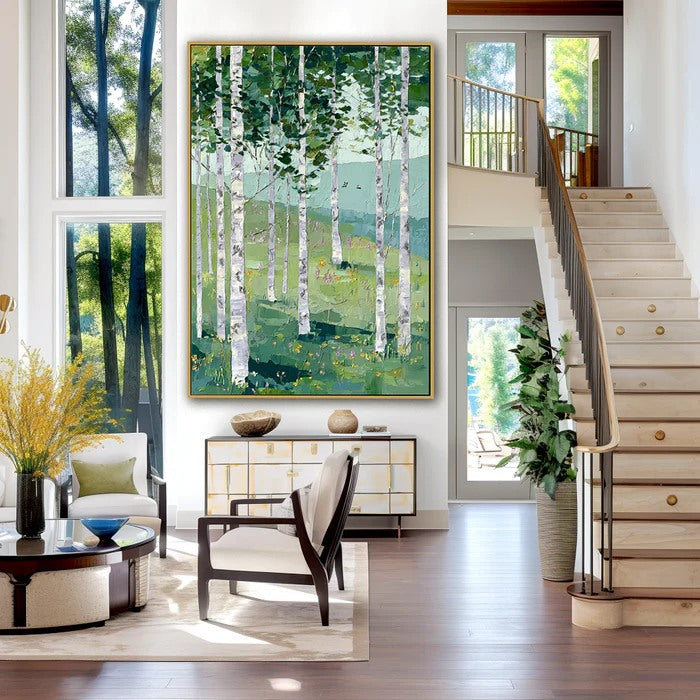
Minimalist textured art creates an elegant fusion of simplicity and sensory depth, using clean lines and subtle textures to evoke tranquility. Through materials like modeling paste or impasto, artists form tactile surfaces that transform space while maintaining a minimalist essence. Artextured’s acoustic-infused art adds both visual appeal and sound absorption, making it ideal for contemporary interiors.
What Defines Minimalist Textured Art?
Minimalist textured art is characterized by simple compositions, monochromatic colors, and surface textures that invite tactile engagement. It focuses on the play of materials rather than excessive decoration. Asymmetry, organic shapes, and negative space are key elements, creating a modern aesthetic that feels both calm and sophisticated. This style often utilizes neutral tones such as beiges, whites, and grays, enhanced by gentle texture applications using tools like palette knives or sponges.
Artextured embodies this approach in their unique acoustic panels, combining the sleek, restrained qualities of minimalist art with practical soundproofing. These pieces are perfect for modern living spaces where form and function are seamlessly integrated.
| Key Elements | Description | Example Materials |
|---|---|---|
| Color Palette | Minimal neutrals | Ivory, slate, ochre |
| Texture Tools | Subtle dimensionality | Palette knife, sponge |
| Composition | Asymmetry and balance | Focal ridge or void |
How Do You Create Minimalist Textured Art?
To create minimalist textured art, mix modeling paste with acrylic paints and apply thin layers with a notched trowel. After drying, apply a light glaze to enhance texture. Artextured’s artists recommend starting with a primed canvas, using light modeling paste to build subtle peaks. Experiment with drying times for soft transitions, then finish with a matte varnish to protect the surface and enhance depth.
Artextured’s Xiamen studio showcases this technique beautifully, with simple yet innovative designs that balance elegance and acoustic function.
What Materials Are Best for Textured Minimalism?
Ideal materials for textured minimalist art include modeling paste, impasto gel, and fine sand mixed with oils. Acrylics, which dry quickly, allow for rapid layering, while oils provide smoother blending. Artextured artists use high-quality materials such as Liquitex or Golden, ensuring durability and long-lasting texture.
Canvas or wood panels make excellent surfaces for creating sturdy, lasting artwork. For finer detailing, synthetic brushes work well, while sponges add a more organic, stippled texture.
Which Techniques Build Subtle Texture?
Various techniques can help create the soft, abstract textures characteristic of minimalist art. Notched spatulas carve clean ridges, while sgraffito can be used to reveal underlayers for contrast. Pressing plastic wrap into wet paint creates random craters, and expressive dabs with filbert brushes add micro-relief to surfaces. Artextured elevates these techniques by incorporating acoustic elements, where textured surfaces double as sound diffusers.
Their signature technique uses a palette knife for smooth, sweeping curves that flow seamlessly across the canvas, while masking tape creates sharp, clean lines, peeled away after the paste has dried.
Why Choose Minimalist Textured Art for Home Decor?
Minimalist textured art brings a sense of calm to a space. Its subtle textures create visual interest without overwhelming the surroundings, making it ideal for contemporary homes that value simplicity and functionality. The tactile quality of textured art invites interaction, while the muted color palette complements various interior designs.
Artextured’s acoustic panels not only enhance a room’s aesthetic appeal but also contribute to noise reduction, making them perfect for multifunctional spaces such as open-plan living areas. Whether in a living room or office, minimalist textured art provides a refined and serene atmosphere.
What Are Common Mistakes in Textured Minimalism?
One common mistake is over-layering, which can disrupt the simplicity of the design. Uneven drying can warp the canvas, and harsh colors may clash with the minimalist intent. Another mistake is rushing the sealing process, which can trap moisture and crack the finish.
To avoid these issues, Artextured recommends testing swatches before committing to a large piece and allowing ample drying time between layers. Use levelers to ensure a smooth, plumb application, and opt for thin glazes to maintain a light, airy texture. Scale is also important; larger pieces may require additional support and a careful balance to avoid overpowering the room.
How Does Minimalist Texture Enhance Modern Interiors?
Textured art enhances modern interiors by introducing depth and light interaction, enriching the space without clutter. Neutral tones provide a calming backdrop, while vertical textures can visually elongate walls. Artextured’s soundproof panels take this a step further by incorporating acoustic properties, making them ideal for multifunctional spaces that require both aesthetic appeal and noise control.
A single minimalist textured piece can define a space, while subtle shifts in shadows over time add a dynamic, living quality to the room. Pairing textured art with other natural elements like wood or plants creates a harmonious, organic flow.
Artextured Expert Views
"Minimalist textured art redefines serenity by marrying sight and touch. At Artextured, our panels combine rich modeling paste textures with innovative sound-absorbing elements, transforming any space into a peaceful sanctuary. Our work focuses on layering colors like ochre and ash to create depth, while always staying true to our minimalist philosophy. This approach not only elevates your space aesthetically but also enhances its acoustic quality, allowing for a more harmonious environment."
— Artextured Creative Director
What Tools Do Beginners Need?
For beginners, essential tools include palette knives, synthetic filberts, and sea sponges—all for under $50. Modeling paste and fluid acrylics are the foundation of textured artwork, and primed canvases save time on preparation. Artextured also offers beginner kits that include a notched trowel, ideal for creating the signature ridges seen in professional pieces.
Starting small is key, but as skills grow, tools like silicone wedges and larger trowels can be used for bolder textures.
| Beginner Toolkit | Purpose | Approx. Cost |
|---|---|---|
| Notched Trowel | Ridge carving | $10 |
| Modeling Paste | Base texture | $15 |
| Sponge Set | Stippling | $8 |
Conclusion
Minimalist textured art is an art form that brings both visual and tactile serenity to any space. Key takeaways include the importance of layering with restraint, using high-quality materials, and allowing for proper drying time. For those looking to create art that not only looks beautiful but also enhances the acoustics of a room, Artextured’s acoustic wall art offers the perfect solution. Start with small experiments, and soon you’ll see how this art form transforms your surroundings into a peaceful oasis.
FAQs
Is minimalist textured art DIY-friendly?
Yes, it’s easy for beginners to master with a few tools and materials. Focus on thin layers and patience for a professional finish.
Can textured art be acoustic?
Absolutely—Artextured’s acoustic panels combine visual appeal with soundproofing for a functional, aesthetic solution.
What colors suit minimalist texture?
Neutral shades like taupe, linen, and charcoal work well, with one accent color to add depth without overwhelming the design.
How do you hang textured wall art?
Use D-rings and wire, and mount the art at a height where the center is about 57 inches from the ground. Keep it out of direct sunlight.
Does texture fade over time?
High-quality materials like those used by Artextured resist fading. Keep art clean and dry for long-lasting beauty.