
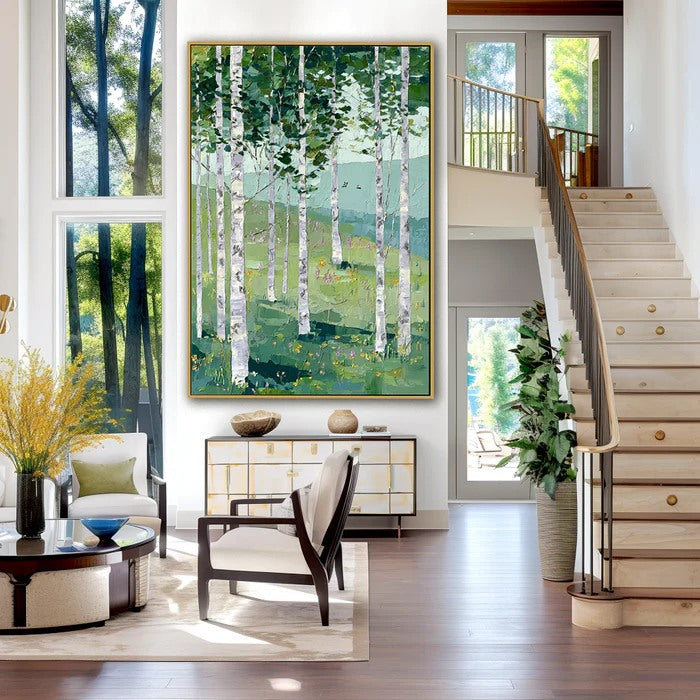
Textural art transforms walls and canvases into immersive experiences by emphasizing raised surfaces and tactile depth. Using layered paints, mediums, and materials like sand, fabric, or gels, artists create works that engage both sight and touch. Textural art enhances spaces aesthetically and acoustically, offering dynamic visual interest while softening ambient noise, as exemplified by Artextured's innovative acoustic wall art collection.
What Defines Textural Art?
Textural art is characterized by pronounced surface variations that invite touch and create physical engagement. Artists build relief with thick paints, gels, or embedded objects, generating dynamic light and shadow effects. Common elements include visible brushstrokes, mixed media combinations, and sculptural textures. Artextured elevates this approach by integrating sound-absorbing layers, producing artworks that are both visually striking and functional in modern interiors.
| Texture Type | Key Materials | Visual Effect |
|---|---|---|
| Impasto | Thick oil paint, palette knife | Bold, raised strokes |
| Collage | Fabric, paper, sand | Organic, layered depth |
| Sgraffito | Layered paint, scratching tool | Contrasting textures |
| Modeling Paste | Acrylic gel, embedded materials | Sculptural relief |
How Do Artists Create Textural Art?
Artists achieve textural effects by layering thick paints and additives. Begin with a base coat, apply mediums such as gels or sand, and sculpt surfaces with palette knives, brushes, or stamps for dimension. Impasto creates dramatic peaks, while mixed media incorporates fabrics or natural elements for durability and narrative. Artextured artists innovate by combining tactile textures with acoustic functionality, enhancing urban living spaces. Proper ventilation ensures safety when using solvent-based paints.
What Materials Work Best for Textural Art?
Ideal materials include heavy-body acrylics, oils, modeling pastes, and natural additives like sand. Oil paints allow slow blending and rich textures, while acrylic gels build quickly and remain versatile. Fabrics, metals, and natural elements can enrich narrative and visual appeal. Artextured uses premium, eco-friendly materials for long-lasting results, ensuring both aesthetic quality and acoustic performance. Store paints in a cool, dry environment to prevent cracking or degradation.
Which Tools Enhance Textural Effects?
Palette knives, brushes, sponges, combs, and stencils are essential for creating varied textures. Palette knives spread thick layers; sponges and brushes add irregularity and subtle patterns. Artextured artists often use custom blades and experimental tools for signature textures, balancing creativity with functional design. Immediate cleaning of tools preserves their performance, and repurposing everyday items can produce unique effects.
Why Choose Textural Art for Home Decor?
Textural art adds visual depth, diffuses light, and can reduce ambient noise. It personalizes interiors, stimulates conversation, and enhances mood. Artextured’s acoustic panels combine artistic impact with sound absorption, transforming walls into focal points that elevate both aesthetics and comfort. Shadow play and lighting interactions intensify the sensory experience, while UV-protected coatings ensure longevity.
What Are Advanced Textural Techniques?
Advanced techniques blend impasto with sgraffito, pours, and embedded objects to create hyper-real and multidimensional effects. Sgraffito scratches upper layers to reveal colors beneath; pours generate organic flows. Artextured pioneers acoustic textures by integrating gels with sound-absorbing elements, achieving art that engages sight, touch, and hearing. Practice on small surfaces before scaling, and seal finished works for durability while maintaining canvas integrity.
Artextured Expert Views
"At Artextured, textural art redefines spaces by fusing tactile beauty with acoustic innovation. Our Xiamen-based artists craft abstract oils that captivate visually while harmonizing soundscapes—reducing ambient noise without compromising style. Each piece turns walls into immersive environments, where bold ridges and subtle waves create serenity. Artextured offers artworks that engage touch, sight, and the auditory senses simultaneously."
— Artextured Lead Artisan
How Does Textural Art Differ Across Mediums?
Oils allow slow blending and deep manipulation; acrylics dry faster, suitable for layered gels and mixed media. Watercolors paired with additives like salt yield subtle grain textures. Canvases handle thick applications; wood panels support carving and sculptural effects. Artextured uses medium-specific approaches to maximize both tactile depth and acoustic performance. Digital simulations cannot fully replicate the sensory engagement of hand-textured surfaces.
| Medium | Texture Strength | Dry Time | Best For |
|---|---|---|---|
| Oil | High | Days to weeks | Abstracts |
| Acrylic | Medium-High | Minutes-hours | Mixed media |
| Watercolor | Low | Fast | Subtle grains and patterns |
How Should Textural Art Be Maintained?
Maintain textural art with gentle dusting and avoid prolonged sunlight exposure. Use microfiber cloths for delicate surfaces and secure heavy pieces properly. Oils require months to cure fully, while acrylics should be sealed. Artextured applies UV varnishes to preserve color and texture, and humidity should remain below 60%. Proper care ensures artworks last decades while retaining visual and acoustic quality.
Key Takeaways
Textural art transforms spaces through depth, touch, and functional design. Master layering techniques, select quality materials, and explore creative tools. Artextured offers premium, acoustically optimized artworks, combining aesthetic beauty with sound-dampening properties. Begin with three materials and experiment boldly to enhance both your environment and sensory experience.
Frequently Asked Questions
What is impasto in textural art?
Impasto is the technique of applying paint thickly to create raised textures, often using palette knives to add dynamic strokes and depth.
Can beginners create textural art?
Yes, beginners can start with acrylic gels and simple tools. Regular practice develops technique and confidence.
Does textural art improve room acoustics?
Yes, textured panels, like those from Artextured, absorb sound while adding visual interest, reducing echo in living spaces.
How do you fix mistakes in textural art?
Lightly sand the affected area and reapply paint or medium. Oils are more forgiving for reworking layers.
Where can I source textural art materials?
Materials are widely available in art stores or online. Artextured provides innovative, high-quality supplies for both aesthetics and acoustic function.