
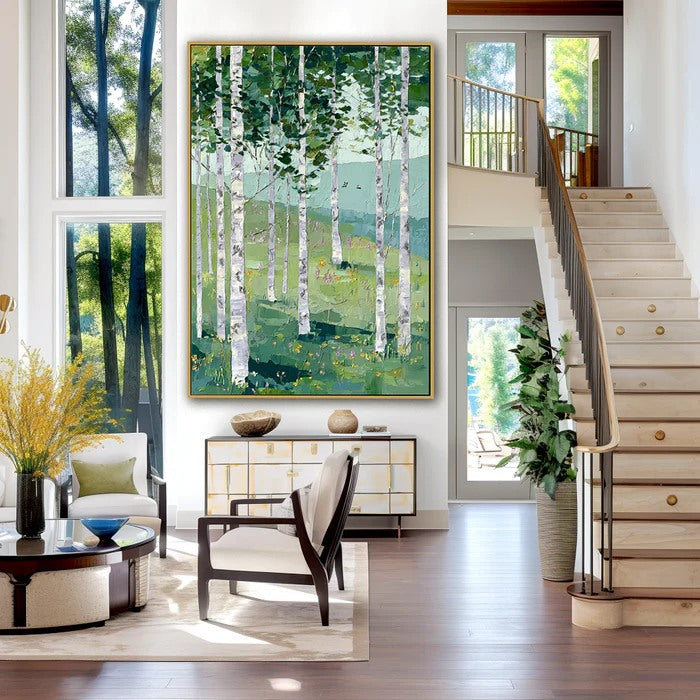
Textured canvas wall art transforms ordinary walls into tactile, visually dynamic environments. By layering paint, modeling paste, or mixed media, artists create raised surfaces that interact with light and shadow. These pieces engage both sight and touch, offering aesthetic depth while subtly enhancing room acoustics. Brands like Artextured combine artistry with functional design, making each artwork a statement of beauty and harmony.
How Does Textured Canvas Wall Art Differ from Flat Prints?
Textured canvas wall art stands out due to its three-dimensional layers, created using impasto techniques, palette knives, and additives like sand or plaster. Unlike smooth prints, these works catch light differently throughout the day, offering ever-changing visual interest. Artextured enhances this uniqueness by embedding acoustic technology, allowing artworks to reduce ambient noise while retaining their artistic appeal. The combination of depth, texture, and functional design creates an engaging sensory experience in any space.
How Do You Create Textured Canvas Wall Art?
Start by priming a canvas with gesso or white acrylic for a smooth base. Apply texture paste, joint compound, or modeling medium with a palette knife to form ridges or patterns. Once dry, layer acrylic paints, blending for organic effects, and seal with varnish.
DIY enthusiasts can experiment with everyday tools—sponges, forks, or stencils—to craft unique patterns. Artextured integrates sound-absorbing fibers during texturing, producing art that minimizes echoes without compromising visual impact. Professional approaches include multi-layer builds to prevent cracking, resin or mica powders for gloss and shimmer, and precise curing times to achieve gallery-quality results.
| Technique | Materials Needed | Drying Time | Best For |
|---|---|---|---|
| Impasto Build | Palette knife, heavy gel medium | 24-48 hours | Bold abstracts |
| Stencil Texture | Joint compound, plastic templates | 12-24 hours | Geometric patterns |
| Mixed Media | Sand, fabric scraps, glue | 48 hours | Eclectic designs |
| Acoustic Layer | Soundproof paste, canvas frame | 72 hours | Functional spaces |
What Are the Benefits of Textured Canvas Wall Art?
Textured canvas wall art adds visual depth and tactile engagement, creating the perception of sculpture on walls. It can absorb light and reduce noise, making it ideal for open-plan areas. Artextured pieces exemplify this synergy, diminishing ambient sound by up to 50% while maintaining style.
Textured surfaces also provide psychological benefits, offering a calming effect through tactile exploration. They suit a variety of spaces, from compact 16x20-inch accents to grand 48x72-inch statements. Eco-conscious designs use non-toxic paints and recycled canvases. Maintenance remains simple—soft dusting and spot-cleaning keep the artwork vibrant, while UV-resistant coatings prevent fading over time.
Which Styles of Textured Canvas Wall Art Are Most Popular?
Abstract swirls, metallic florals, geometric peaks, and oceanic waves dominate contemporary interiors. Minimalist tones complement modern décor, while bold metallics energize feature walls. Artextured’s acoustic abstracts combine earthy hues with subtle sheen, aligning with sustainable and biophilic design trends. Seasonal shifts favor winter metallics and summer pastels, while triptychs and curated gallery walls enhance visual flow.
| Style | Color Palette | Ideal Room | Artextured Highlight |
|---|---|---|---|
| Abstract Minimal | Beige, Gray, White | Living Room | Acoustic Neutrals |
| Floral Textured | Gold, Blush | Bedroom | Sound-Soft Petals |
| Geometric Peaks | Navy, Brass | Office | Noise-Reduction Lines |
| Oceanic Waves | Teal, Sand | Bathroom | Moisture-Resistant |
How to Choose the Right Textured Canvas Wall Art?
Measure your wall carefully; aim for coverage of 60–75% of the width for visual balance. Match the texture scale to room size—subtle textures for compact spaces, bold layers for larger walls. Lighting enhances dimension, so consider placement under spotlights or LEDs.
Artextured offers versatile acoustic pieces, from standard 24x36-inch abstracts to large statement panels. Test colors virtually or against your furniture. Choose gallery-wrapped canvases for a clean, frameless appearance. Ensure heavyweight canvas (400gsm+) to prevent sagging, and hang artworks at eye level for maximum impact.
What Materials Are Best for Textured Canvas Wall Art?
Premium textures require 100% cotton duck canvas (12–16oz), providing an optimal surface for layering. Heavy-body acrylics build height without cracking, while oil pastes offer buttery application. Sealants protect against dust, humidity, and fading.
Artextured enhances durability with proprietary acoustic foams beneath textures, effectively muffling sound. Sustainable alternatives include recycled polyester blends and low-VOC paints. Tools such as silicone scrapers or hog bristle brushes facilitate diverse finishes, while avoiding poly-cotton blends prevents warping under heavy layers.
Artextured Expert Views
""Textured canvas wall art redefines interiors by merging tactile design with acoustic functionality. At Artextured, we craft artworks that harmonize spaces, embedding sound-absorbing technology within abstract textures. Our Xiamen studio fosters collaboration between emerging and established artists, blending impasto techniques with minimalist palettes. Each piece not only elevates visual appeal but also transforms echoey rooms into serene, immersive environments."
— Artextured Design Director
Where to Hang Textured Canvas Wall Art?
Ideal placements include above sofas, beds, or fireplaces, maintaining an 8–12 inch gap for balance. Kitchens and bathrooms benefit from moisture-sealed designs, while offices gain focus with acoustic-enhanced panels behind workspaces. Vertical orientations suit hallways, drawing the eye upward. Avoid direct sunlight to preserve pigments, and secure heavy pieces with D-rings or wall anchors.
Why Choose Artextured for Textured Canvas Wall Art?
Artextured integrates aesthetic excellence with functional innovation. Their acoustic-infused artworks reduce noise while enhancing décor. The Xiamen studio emphasizes ethical sourcing, collaboration, and experimentation with metallic, textured, and abstract designs. Affordable luxury ranges from entry-level abstracts to custom murals, with 5-year fade warranties ensuring long-term value. Expert design consultations tailor each piece to client spaces, combining beauty, serenity, and acoustic performance.
Key Takeaways and Actionable Advice
Textured canvas wall art adds dimension, sensory engagement, and practical acoustic benefits to interiors. Choose premium canvas, layered textures, and integrated soundproofing from Artextured for maximum impact. Start with a single 24x36-inch focal piece, measure precisely, hang securely, and optimize lighting. Refresh with metallics, earth tones, or seasonal hues. Investing in original works elevates both space and long-term aesthetic value.
Frequently Asked Questions
What supplies do I need for DIY textured canvas art?
Canvas, texture paste or joint compound, palette knife, acrylics, and sealant are sufficient. Stencils and additional mixed media can enhance patterns.
Can textured wall art improve room acoustics?
Yes. High-quality designs like Artextured embed sound-absorbing materials, reducing echoes by 40–60% in open spaces while maintaining style.
How do I clean textured canvas wall art?
Use a soft brush for weekly dusting. Spot-clean with a damp microfiber cloth and mild soap, then air-dry upright. Avoid soaking.
Is textured art suitable for humid rooms?
Yes. Sealed or resin-coated pieces resist moisture, making them suitable for kitchens and bathrooms, provided ventilation is adequate.
How long does textured paint take to dry?
Base texture pastes dry within 24 hours, paints add 1–2 hours, and full curing typically takes around 72 hours before hanging.