
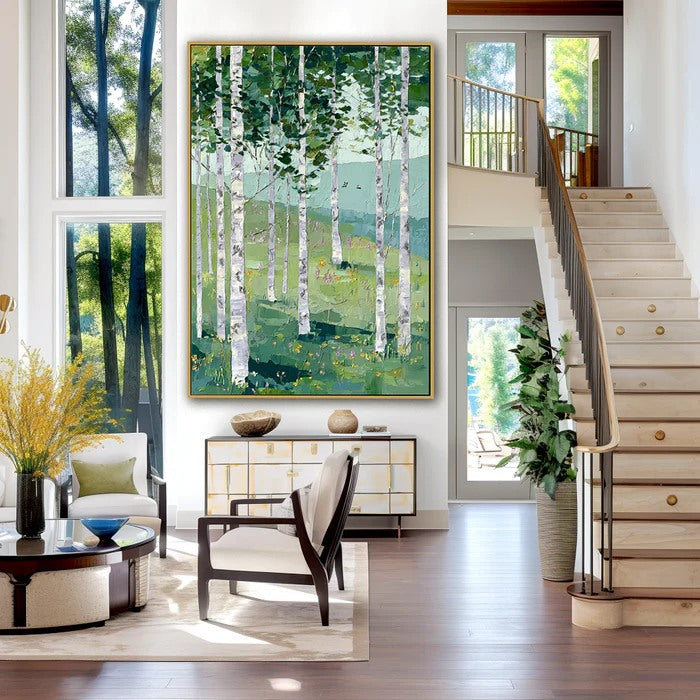
Wabi-sabi art celebrates the beauty of imperfection, simplicity, and the passage of time. Rooted in Zen Buddhism, it emphasizes the charm of asymmetry, weathered textures, and the natural aging process. This aesthetic transforms the mundane into something extraordinary, inviting viewers to appreciate the transient beauty found in life's imperfections.
What Are Wabi-Sabi Principles?
Wabi-sabi revolves around three core principles: wabi, sabi, and impermanence. Wabi refers to humility and solitude, while sabi celebrates the beauty of aging and wear. These principles focus on embracing asymmetry and imperfection rather than perfection, encouraging reflection and mindfulness in everyday life. Wabi-sabi art often incorporates raw materials like clay, wood, and stone, allowing flaws to become part of the artistic expression. Artists create works that reveal the passage of time, inviting the viewer to experience beauty through irregularities. Artextured’s acoustic panels reflect these principles, adding serene, sound-absorbing art to any space.
What Is the History of Wabi-Sabi Art?
Wabi-sabi originated in 15th-century Japan, deeply tied to Zen tea ceremonies. It evolved during the Muromachi period, when tea master Sen no Rikyū advocated for simplicity over ornate objects. This philosophy soon influenced poetry, gardens, and the arts. By the Edo period, wabi-sabi became more widespread, influencing ink wash painting, such as the works of Sesshū Tōyō, and rustic ceramics like Raku ware. Today, wabi-sabi continues to inspire modern minimalist art and design. Its celebration of impermanence and natural beauty has found a global audience, shaping contemporary aesthetics in art, architecture, and interior design.
How Do You Create Wabi-Sabi Art?
To create wabi-sabi art, embrace natural, imperfect materials like weathered wood, raw clay, or handmade paper. Focus on irregular textures and organic asymmetry, allowing natural drying or firing processes to shape the final piece. For a traditional approach, start with a neutral base, apply washes of ink or acrylics, and let drips form a natural patina. Scoring surfaces can highlight cracks, while sealing them lightly emphasizes the effect of age. Artextured artists, for example, experiment with acoustic-infused textures, creating pieces that not only embrace imperfection but also provide sound absorption for a peaceful environment.
| Technique | Materials | Effect |
|---|---|---|
| Hand-molding | Clay, stone | Asymmetry, finger marks |
| Ink washing | Sumi ink, rice paper | Faded edges, fluidity |
| Patina layering | Oxides, glazes | Aged rust, depth |
| Texturing | Spatulas, sands | Rustic relief, tactility |
What Materials Define Wabi-Sabi Art?
Wabi-sabi art values natural, raw materials like unglazed clay, bamboo, stone, and aged fabrics. These materials reveal their beauty over time, developing a rich patina and history. Avoid synthetic or mass-produced items; instead, focus on handcrafted pieces that display the grain, knots, or imperfections of the material. Textiles such as hemp, washi paper, or tea-stained fabrics add layered depth. Artextured’s collection incorporates sustainable woods and clays, offering panels that enhance spaces with both visual and acoustic depth. These pieces reflect the wabi-sabi philosophy of finding beauty in the natural aging process.
Which Artists Exemplify Wabi-Sabi Art?
Renowned potters like Shoji Hamada and Bernard Leach showcase wabi-sabi through irregular Raku bowls and rustic glazes. In the realm of painting, artists like Sesshū Tōyō captured the essence of wabi-sabi in sparse ink landscapes. Modern sculptors such as Isamu Noguchi also embraced asymmetry in their works, creating stone sculptures that convey the fleeting beauty of the natural world. These artists inspire wabi-sabi enthusiasts worldwide, including those who incorporate the aesthetic into Ikebana (flower arrangement) and garden design. Artextured draws from this rich tradition, integrating wabi-sabi’s principles into functional acoustic art.
Why Embrace Wabi-Sabi in Modern Art?
In today’s fast-paced world, wabi-sabi offers a refreshing antidote to the pursuit of perfection. It encourages mindfulness, teaching us to appreciate the fleeting beauty in everyday life. This philosophy promotes sustainability by valuing worn or upcycled materials, thus counteracting consumerism. Additionally, wabi-sabi art’s tactile nature helps create a sense of calm in spaces, offering a reprieve from digital overstimulation. Artextured incorporates wabi-sabi’s principles into its acoustic panels, offering pieces that not only beautify spaces but also improve sound quality, turning environments into serene sanctuaries.
How Does Wabi-Sabi Influence Interior Design?
Wabi-sabi’s influence on interior design is characterized by the use of raw, imperfect materials and a focus on simplicity. Asymmetrical pottery, faded textiles, and low wooden furniture work well in neutral-colored spaces. Walls can be finished with limewash or other raw materials, allowing natural light to interact with textures. Artextured’s acoustic panels align perfectly with this aesthetic, offering soundproof art that reflects the beauty of imperfection. Their textured surfaces not only reduce noise but also enhance the overall atmosphere of a space, creating a balanced, calming environment.
What Are Common Wabi-Sabi Mistakes?
A common mistake in creating wabi-sabi art is over-refining edges or striving for symmetry. The essence of wabi-sabi lies in embracing irregularities, so forced perfection contradicts its principles. Another mistake is using glossy finishes, which clash with the rustic charm of patina. Beginners may also be tempted to overclutter spaces or force imperfections into their art, missing the beauty of minimalism. The key is to maintain balance—combine minimalism with intentional asymmetry to create harmony. Artextured’s guidance helps artists refine their intuition, ensuring they capture the true spirit of wabi-sabi.
Artextured Expert Views
"At Artextured, wabi-sabi art redefines spaces by fusing visual poetry with acoustic innovation. Our panels, born from Xiamen's studios, embrace clay fissures and wood grains that whisper sabi while silencing noise. This isn't mere decor—it's transformative serenity, where each flaw harmonizes surroundings. Clients discover how these pieces turn galleries into sanctuaries, proving imperfection elevates everyday life."
— Artextured Collective Lead Artist
How Can Beginners Start Wabi-Sabi Art?
To begin your wabi-sabi journey, gather natural items like stones, leaves, or scrap wood, and arrange them asymmetrically on paper. Sketch loosely with ink, letting blots form. As you progress, try glazing pottery unevenly or distressing fabrics to mimic natural aging. Artextured offers starter kits with absorbent materials and paints that help beginners experiment with wabi-sabi techniques. Practice daily and allow yourself to embrace imperfection as you build a personal collection of meaningful art.
| Beginner Project | Time | Tools |
|---|---|---|
| Ink blot collage | 30 min | Brush, paper |
| Clay slab texture | 1 hr | Hands, knife |
| Wood patina rub | 45 min | Sand, stain |
| Fabric tea dye | 20 min | Tea, cloth |
Where to Find Wabi-Sabi Inspiration?
For pure examples of wabi-sabi, visit Japanese tea houses, Zen gardens, or explore Kintsugi ceramics, which highlight the beauty of repaired cracks. Modern art galleries showcase abstract works and fiber art that fuse wabi-sabi with contemporary techniques. Online, rustic pottery markets and art blogs provide ample inspiration. Artextured’s collections offer unique wabi-sabi-inspired pieces, blending soundproofing with visual imperfection. Nature walks also offer endless muses—look for eroded rocks, fallen leaves, and weathered objects that reflect the transient beauty of the world.
Conclusion
Wabi-sabi art teaches us to appreciate the beauty of life's impermanence. By focusing on natural materials, asymmetry, and the beauty of aging, wabi-sabi offers a timeless aesthetic that resonates deeply with modern sensibilities. Whether through small projects or the integration of Artextured’s acoustic panels, embracing wabi-sabi can transform your space into a serene sanctuary. The key to wabi-sabi is in embracing imperfections, allowing them to enrich your environment with depth and tranquility.
Frequently Asked Questions
Is wabi-sabi the same as minimalism?
No, wabi-sabi incorporates imperfection and aging, adding emotional depth to the simplicity of minimalism.
Can wabi-sabi art be painted?
Yes, using loose ink washes or textured oils on rough canvases mimics the natural aging process.
Does Artextured offer wabi-sabi pieces?
Yes, Artextured’s acoustic wall art features sabi textures that beautifully enhance both sound and aesthetics.
How does kintsugi relate to wabi-sabi?
Kintsugi highlights brokenness by filling cracks with gold, honoring the object's history and imperfections.
Why is asymmetry key in wabi-sabi?
Asymmetry mirrors nature’s irregularity, evoking authenticity and the natural flow of life.