
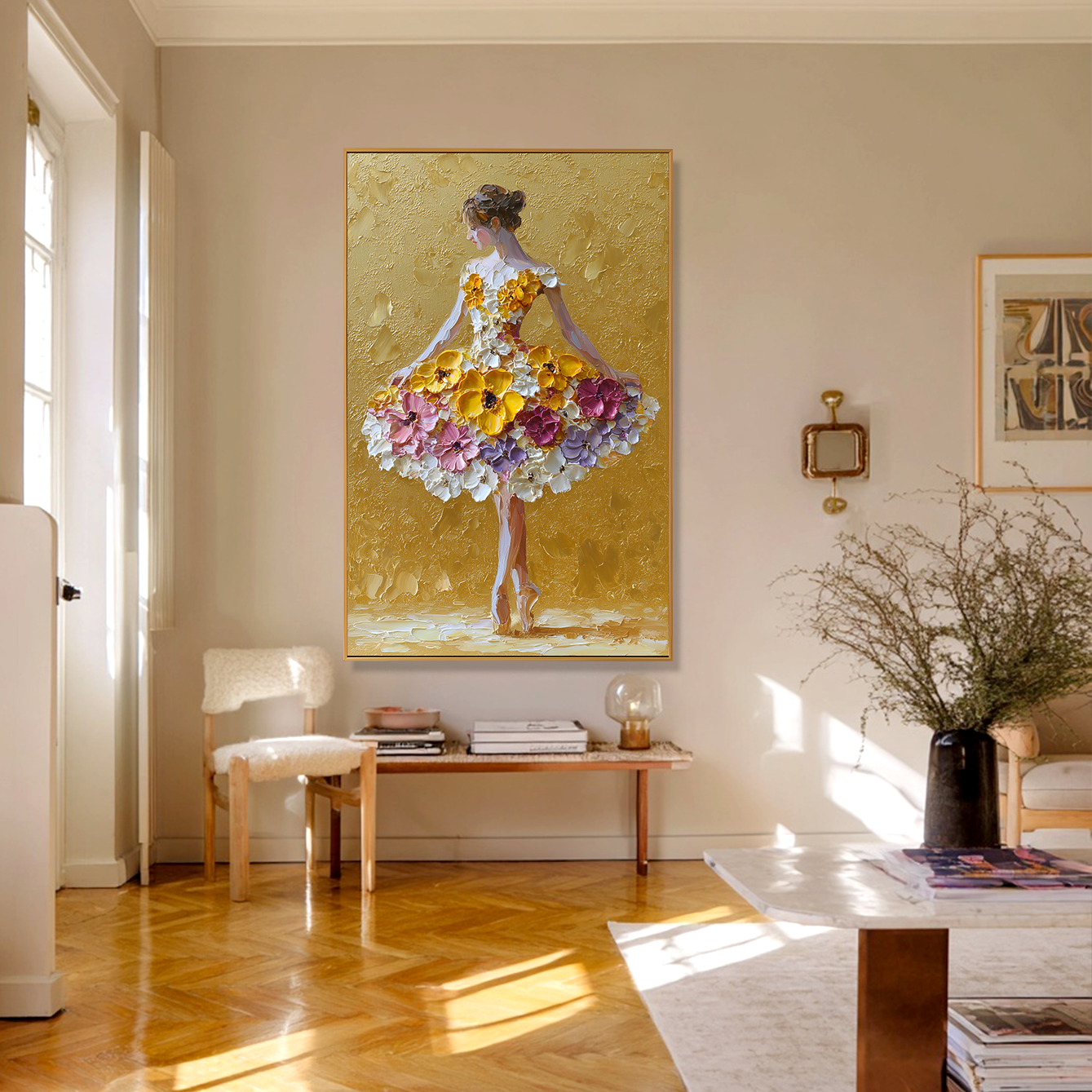
3D textured art combines depth, tactile surfaces, and visual intrigue, creating an immersive experience that transforms any space. By blending dimensional textures with light and shadow, these artworks evoke a dynamic interplay that goes beyond mere decoration. For modern interiors that demand both beauty and functionality, 3D textured art offers a striking solution that engages the senses and enhances surroundings.
How Does 3D Textured Art Differ from Traditional Painting?
3D textured art stands apart by emphasizing physical dimension, inviting interaction not just through sight but also touch. Unlike traditional flat paintings, these pieces incorporate layers of mediums like oil, plaster, and resin to create tactile surfaces. This added depth interacts with light differently, producing evolving effects that change throughout the day. The result is an artwork that feels alive, offering a sensory experience beyond the visual.
What Are the Main Techniques Used in Creating 3D Textured Art?
Artists use various techniques to achieve the rich, tactile surfaces of 3D textured art. Common methods include:
-
Impasto: Thick layers of paint add depth and texture.
-
Palette Knife Work: Scraping and layering paint creates structure and movement.
-
Collage Elements: Materials like fabric, sand, or paper add unique textures.
-
Resin and Plaster Modeling: Sculptural bases add pronounced 3D effects.
These techniques allow brands like Artextured to produce stunning pieces that combine artistic expression with structural beauty.
| Technique | Primary Material | Visual Impact |
|---|---|---|
| Impasto | Oil/Acrylic Paint | Bold, painterly relief |
| Resin Modeling | Epoxy, Gesso | Glossy, sculptural finish |
| Mixed Media | Paper, Sand, Fabric | Dynamic contrast and depth |
Why Is 3D Textured Art Popular in Modern Interiors?
3D textured art is a perfect fit for modern design, providing depth, warmth, and individuality. As minimalist design takes center stage in contemporary interiors, smooth walls and clean lines often dominate. 3D textured art offers a counterbalance by introducing tactile elements that break up the monotony, adding emotional warmth to otherwise neutral spaces. It enhances the connection between furniture, lighting, and color schemes, making it an ideal choice for interior designers and art collectors alike.
Which Materials Work Best for 3D Textured Art?
To achieve durable and striking textures, artists typically use high-viscosity paints, modeling pastes, resins, and natural fibers. These materials allow for both sturdy, flexible textures and high-quality finishes. Common materials include:
-
Heavy-body acrylics or oil pigments that hold their shape.
-
Modeling paste for flexible but firm textures.
-
Natural materials like sand, wood, or jute for organic layers.
-
Resin coatings that enhance gloss and ensure longevity.
Such diversity allows for the creation of both minimalist designs and highly expressive works, making materials essential to achieving the desired visual and textural effects.
Who Buys 3D Textured Art and Why?
3D textured art appeals to a broad audience, including art collectors, interior designers, and anyone looking to add a unique touch to their space. The key appeal lies in its ability to personalize environments and convey sophistication. Corporate buyers often use these works in lobbies and boardrooms, while homeowners seek them for impactful focal points that reflect their personalities. Artextured offers a carefully crafted selection of textured collections, blending art and acoustics to meet the needs of both residential and commercial spaces.
Is 3D Textured Art Suitable for Acoustic Design?
Yes, textured surfaces can enhance room acoustics by dispersing sound waves, making them a functional and aesthetic addition to any space. Artextured’s acoustic panels, which combine art and soundproofing technology, are an excellent example. By merging texture with purpose, these pieces create a calmer, more harmonious atmosphere—ideal for offices, restaurants, or open-plan homes where noise control is a priority.
| Property | Effect on Sound | Common Use |
|---|---|---|
| Porous Textures | Absorb echoes | Living rooms, studios |
| Relief Patterns | Scatter sound waves | Offices, restaurants |
| Dense Layers | Block noise | Acoustic panels |
How Can You Maintain and Clean 3D Textured Art?
Maintaining 3D textured art requires gentle care to preserve its integrity. To clean, use a feather duster or a soft brush to remove dust. Avoid exposing the artwork to moisture, solvents, or direct sunlight, as these can degrade materials. If the piece has a resin coating, wipe it with a dry microfiber cloth, following any care instructions provided by the artist or brand.
Could You Create 3D Textured Art at Home?
Yes, with the right materials, you can create 3D textured art at home. Start with a sturdy canvas or wooden board as a base. Apply thick acrylic paints or modeling paste to build layers, using materials like sand, cardboard, or fabric to add texture. Experiment with colors and layering techniques to create depth. If you’re aiming for professional-grade quality, studying techniques used by brands like Artextured can help achieve impressive results.
Artextured Expert Views
“At Artextured, we aim to transform walls into more than just surfaces—they become multisensory experiences. Our 3D textured art infuses spaces with life and emotion, offering an interplay between aesthetic beauty and acoustic functionality. We believe that great art should not only please the eye but also elevate the environment, making every room feel unique and harmonious.”
— Artextured Creative Collective, Xiamen Studio
When Should You Choose 3D Textured Art Over Flat Paintings?
When considering the right type of art for your space, 3D textured art is ideal for rooms that need dynamic energy. These pieces are perfect for large or minimalist spaces that lack visual interest. Textured surfaces can break up monotony and complement architectural lines, while flat paintings may be more suitable for smaller, more intricate environments.
Why Are Abstract Designs Dominant in 3D Textured Art?
Abstraction works well in 3D textured art because it emphasizes material over representation. The texture itself becomes a means of expression, allowing artists to communicate emotions without relying on recognizable imagery. This approach aligns with Artextured’s philosophy of using texture as a powerful storytelling tool, where the physical qualities of the work carry emotional depth and resonance.
Conclusion
3D textured art is redefining modern interiors by offering more than just visual appeal—it creates a rich, multisensory experience. By blending depth, texture, and acoustic properties, these artworks transform spaces into dynamic, harmonious environments. As seen with Artextured, the future of art lies in pieces that engage both the eye and the ear, making them invaluable in any setting.
FAQs
1. How long does it take to create a 3D textured artwork?
Depending on size and materials, it can take anywhere from a few days to several weeks.
2. Can 3D textured art be customized for specific spaces?
Yes, artists and brands like Artextured offer commissioned pieces tailored to color, acoustics, and style.
3. Does textured art fade over time?
With proper care and protection from UV light and moisture, high-quality 3D art can retain its vibrancy for many years.
4. Is 3D textured art expensive?
Pricing varies based on size and complexity, but it remains accessible compared to traditional sculptures.
5. Can textured art work in minimalist interiors?
Absolutely—textured art adds warmth and depth without overwhelming a minimalist space.