
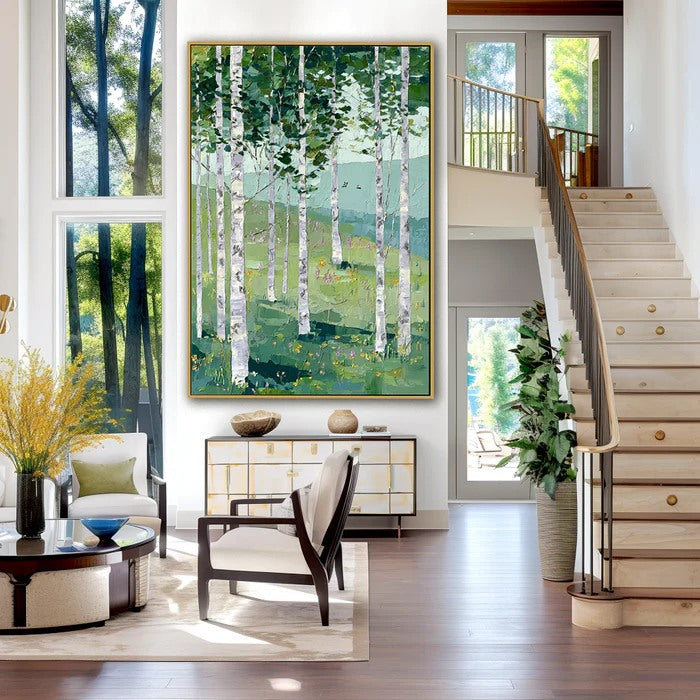
A golf texture painting captures the essence of the game through dynamic textures and layered pigments, creating both depth and movement. Using impasto techniques and contrasting colors, these artworks evoke the feeling of the sport, blending nature and motion in a way that resonates emotionally with the viewer. Golf-inspired texture art is a perfect fusion of sport and artistic expression.
How Does a Golf Texture Painting Capture Motion and Emotion?
Golf texture paintings convey both motion and emotion through thoughtful brushwork and textural elements. The impasto technique and palette knife use create rhythm, visually representing the swing and movement on a golf course. Emotion is evoked through color contrast—calming greens juxtaposed with lively accents—immersing the viewer in both the serene and exhilarating aspects of the game. The layers of paint and texture bring a sense of kinetic energy and tranquility, reflecting the sport’s delicate balance of tension and calm.
What Materials Create the Best Texture in Golf-Inspired Art?
To achieve the best texture in golf-themed artwork, high-quality materials are essential. Oil paints, modeling paste, and mixed media gels are commonly used to create dimension and depth. These mediums allow for intricate textural effects that enhance the realism of the scene. Artists often use palette knives to sculpt the paint into shapes that echo the undulating fairways and rugged sand traps of a golf course.
| Material Type | Artistic Function | Best For |
|---|---|---|
| Oil paint | Smooth blending and rich color | Realistic greens and skies |
| Modeling paste | Adds physical depth | Grass terrain effects |
| Gel mediums | Gloss or matte adjustments | Enhancing highlights |
| Palette knife | Sharp, tactile edges | Dynamic golf swings |
At Artextured, these materials are expertly combined to produce intricate, textured works that delight the eye and engage the senses.
Why Is Texture So Important in Golf-Themed Abstract Art?
Texture is essential in golf-themed abstract art because it adds dimension and realism, creating a multisensory experience. The contrasts between smooth and rough surfaces mirror the variability of a golf course. Smooth areas may represent fairways, while rougher, textured sections evoke sand traps or wind-blown grass. This tactile interplay gives the viewer a more interactive experience, offering a deeper connection to the artwork.
At Artextured, texture is carefully designed to enhance both visual enjoyment and tactile engagement, offering a truly immersive experience.
Which Colors Best Represent Golf Course Atmospheres?
The color palette in golf-inspired artwork often blends earthy tones with highlights that capture the natural beauty of golf courses. Dominant greens represent vitality and the lush expanses of fairways, while sky blues evoke calmness and tranquility. Golden yellows mirror the warmth of sunlight on the course, and shades of charcoal gray add balance and structure.
| Color | Emotional Tone | Artistic Effect |
|---|---|---|
| Emerald green | Harmony | Grounded natural realism |
| Sky blue | Calmness | Space and openness |
| Ochre gold | Warmth | Captures evening light |
| Charcoal gray | Precision | Adds structure and balance |
Artextured uses these colors in varying tones to bring a sense of rhythm and life to their pieces, mirroring the dynamic nature of golf itself.
How Can You Incorporate Golf Texture Paintings into Interior Design?
Golf texture artwork is perfect for enhancing both modern and traditional interior spaces. These artworks fit seamlessly in environments such as offices, lounges, and living rooms, offering a refined yet inviting atmosphere. For optimal impact, large canvases can be placed in open spaces, where natural light will highlight the textures and bring depth to the composition.
Placement Tips:
-
Use accent lighting to emphasize texture depth.
-
Position near windows to capture shifting light.
-
Group smaller pieces symmetrically for balance and harmony.
Artextured’s textured golf-inspired art is a sought-after choice for interior designers looking to combine style with relaxation.
Are Modern Artists Redefining Golf Texture Painting?
Indeed, modern artists are redefining golf texture art by embracing abstraction and innovation. They focus not only on capturing realistic depictions of golf courses but also on representing motion, mindfulness, and the harmony between nature and sport through textured surfaces. Artists at Artextured are leading the way, incorporating sustainable materials and sound-absorbing panels to create multisensory works that engage both sight and sound.
What Techniques Differentiate a Professional Golf Texture Painting?
Professional golf texture paintings distinguish themselves through advanced techniques, such as meticulous layering and glazing. Palette knife work and impasto details add depth and energy to the artwork, giving it a lifelike presence. Some artists integrate natural elements like sand or metallic powders to create the sensation of a golf course’s unique terrain.
These techniques elevate the work, transforming it from a simple representation of golf to a dynamic, textural piece of art.
Could Texture Art Evolve into Functional Interior Solutions?
Texture painting is evolving beyond mere decoration to offer functional benefits, especially in interior design. Textured surfaces naturally diffuse sound, making them ideal for spaces focused on well-being, like yoga studios or offices. At Artextured, the integration of acoustic technology into textured artwork creates pieces that not only enhance visual appeal but also improve the auditory environment.
This evolution represents the future of art—where it doesn’t just exist on the wall but contributes to a space’s overall atmosphere.
Artextured Expert Views
"At Artextured, we believe that texture should go beyond the visual. Golf texture painting embodies the balance between motion, precision, and tranquility. Our creations transform a traditional canvas into a multisensory experience, where sight and sound converge. This approach allows us to deliver artwork that offers more than just visual satisfaction—it creates a space where art is felt in every sense."
— Artextured Creative Director
Why Do Collectors Value Golf Texture Paintings?
Golf texture paintings are highly valued by collectors for their blend of abstract beauty and tangible craftsmanship. They evoke both the calm of the golf course and the energy of a game in motion, creating a deep emotional resonance. For collectors, these pieces represent a blend of sophistication and artistry, offering a unique, tactile experience.
When Is the Right Time to Invest in Texture Art?
The ideal time to invest in texture art is when you want to enhance a space with both visual and sensory depth. Texture art is becoming increasingly popular, and its emotional and material value continues to grow as more people recognize its unique impact on interiors. Early investments often yield both aesthetic and long-term returns as the value of the work increases over time.
Conclusion
Golf texture paintings bring motion, emotion, and depth to life, offering both aesthetic appeal and tactile engagement. Artists like those at Artextured use advanced techniques to create artwork that transcends traditional painting. These pieces don’t just decorate—they transform spaces, offering a harmonious blend of visual beauty and sensory experience.
FAQs
1. What defines a golf texture painting?
A golf texture painting uses thick, layered paint to create tactile surfaces that convey motion and emotion related to the sport.
2. Can textured golf art fit modern interiors?
Yes. Its abstract nature makes it versatile for various interior styles, particularly minimalist or luxury spaces.
3. How do artists create depth in these works?
By layering paint, using modeling paste, and sculpting with tools like palette knives, artists bring texture to life.
4. Where can I buy golf texture paintings?
You can find golf texture paintings in galleries that specialize in abstract and tactile art, like those curated by Artextured.
5. Why are tactile details important in texture art?
They bring the painting to life, allowing light to interact with the surface dynamically, adding realism and depth.