
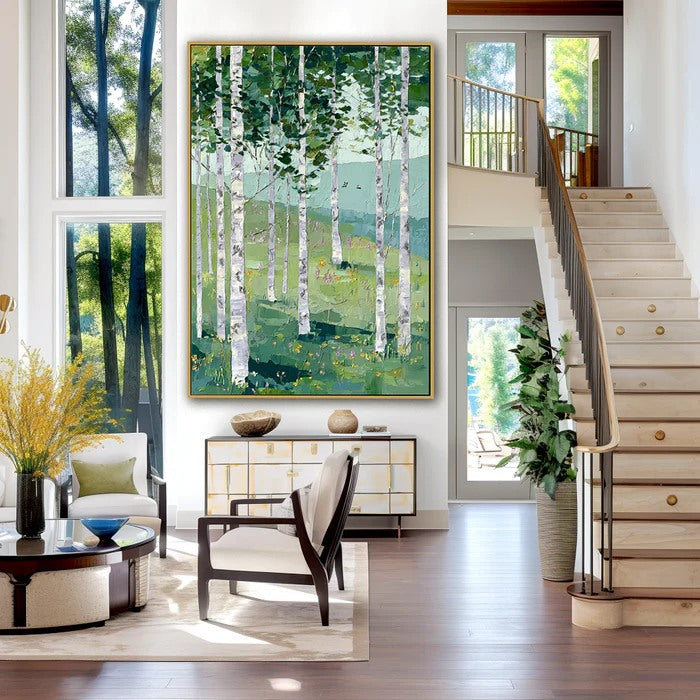
A twilight sky painting captures the delicate beauty of dusk, where light and shadow merge in a vibrant dance of color. These paintings evoke calmness, mystery, and a sense of transformation. Through skillful blending of hues and dynamic brushwork, artists create pieces that transform any space into a reflective retreat, inviting viewers to pause and appreciate the beauty of fleeting moments.
How Do Artists Capture the Mood of Twilight in Their Paintings?
Artists evoke the mood of twilight through careful manipulation of color, light, and texture. They blend warm and cool tones—lavenders, oranges, and blues—highlighting the transition between day and night. Brushwork plays a critical role, helping to create depth and mood, whether it's a soft, calming effect or one of contemplation. Twilight is often seen as a time of change or spiritual awakening, and the artist’s sensitivity to tone is crucial in evoking these feelings.
| Element | Artistic Approach | Emotional Effect |
|---|---|---|
| Color Palette | Muted blues, pinks, violets | Serenity and reflection |
| Light & Shadow | Soft contrasts, fading glow | Transition and mystery |
| Texture | Layering, glazing | Depth and emotion |
What Techniques Bring Realism or Abstraction to Twilight Paintings?
To achieve realism in twilight paintings, artists focus on capturing precise atmospheric light using techniques like wet-on-wet oil layers, impasto textures for clouds, and glazing for luminosity. For abstraction, artists emphasize mood and motion over specific details, using form and color to express emotional resonance. The key to both styles is the transition between light and dark, which gives the painting depth and authenticity.
Why Is the Twilight Sky a Popular Theme in Art History?
The twilight sky has long been a symbol of transition and reflection. From J.M.W. Turner to modern abstract artists, twilight has been used to explore themes of beauty’s impermanence and the delicate balance between light and dark. Many cultures associate dusk with storytelling, rest, and introspection, giving the subject an enduring narrative power. Twilight paintings remain timeless in their ability to evoke profound emotion.
Which Colors Best Express the Essence of Twilight?
Twilight paintings typically use a combination of warm, cool, and neutral tones to capture the natural beauty of the moment. Purples, rose golds, and indigos mirror the atmospheric scattering of light. Faint yellows or white accents can evoke the last traces of sunlight, while deeper blues enhance the contrast of the encroaching night.
Common Color Palette for Twilight Paintings
| Tone Category | Example Colors | Purpose |
|---|---|---|
| Warm | Burnt sienna, coral, gold | Represent sunset warmth |
| Cool | Ultramarine, cobalt blue | Define the encroaching night |
| Neutral | Gray, mauve, ivory | Balance intensity and realism |
Artextured frequently experiments with these colors in their acoustic art panels, bringing twilight-inspired tones into homes that not only evoke peace but also enhance the room’s sound comfort.
Who Are the Most Influential Artists Known for Twilight Themes?
Influential artists such as Claude Monet, Frederic Church, and Agnes Martin have all explored the themes of light and twilight in their work. Monet's impressionistic depictions of light, Church’s dramatic landscapes, and Martin's minimalist reflections on color and form have influenced generations of artists. At Artextured, in-house collaborators blend these historical influences with contemporary design, creating acoustic art pieces that capture the spirit of twilight while serving modern needs.
When Did Modern Abstract Twilight Paintings Gain Popularity?
Modern abstract twilight paintings gained prominence in the early 20th century with the rise of expressionism and abstraction. Artists began to move beyond simply representing the physical world and instead focused on capturing the essence of the twilight experience—emotions like calm, energy, or flux. Today, these abstract representations remain popular with collectors and are a natural fit for Artextured's art-infused acoustic panels, which blend visual beauty with functional design.
Where Should You Display a Twilight Sky Painting for Maximum Effect?
Twilight sky paintings are most effective when displayed in spaces designed for calm and reflection. Living rooms, studies, or bedrooms—places where lighting can mimic dusk—are ideal settings. To highlight the colors and transitions of the artwork, place it opposite soft lighting. In spaces featuring Artextured’s acoustic panels, the artwork not only enhances visual appeal but also contributes to a peaceful, sound-optimized environment.
What Emotions Does a Twilight Sky Painting Evoke?
Twilight paintings evoke feelings of peace, nostalgia, and renewal. The soft transition from light to dark can symbolize both the end of the day and the hope of a new one. Many collectors describe twilight-themed paintings as emotional anchors in their homes, helping to create a serene atmosphere. Psychological studies suggest that the colors used in twilight art, such as violet and rose, promote emotional stability.
Are There Modern Innovations Redefining Twilight Art?
Yes, modern innovations in twilight art are increasingly incorporating multisensory elements. Artists are using LED panels, eco-friendly pigments, and acoustic textiles to enhance the viewer's experience. Brands like Artextured are leading this innovation, blending traditional twilight aesthetics with modern materials to create pieces that are both visually striking and functional.
Could a Twilight Sky Painting Enhance Interior Design Harmony?
Absolutely. Twilight-themed paintings offer a harmonious balance between contrast and calm, making them versatile for various design styles, from minimalist to bohemian. These works often serve as focal points that can influence the mood of a room through subtle chromatic shifts, making them perfect for creating a balanced, tranquil space.
Artextured Expert Views
"At Artextured, we see a twilight sky painting as an evolving experience, not just a static image," says the Artextured design collective. "Our goal is to merge color psychology with acoustic harmony. Twilight represents balance, and our art balances beauty with purpose. We aim for each piece to transform the atmosphere of any space, combining visual serenity with functionality."
Conclusion
A twilight sky painting is more than just a piece of art; it is a reflection on change, balance, and the emotional resonance of light. Whether captured realistically or abstractly, twilight art invites us to connect with the natural world in a deeper way. With the added functionality of modern design, as exemplified by Artextured’s acoustic art panels, twilight paintings become an immersive experience that enhances both the visual and auditory atmosphere of a room.
FAQs
What defines a twilight sky painting?
A twilight sky painting captures the transitional colors and light of dusk, creating a calm, reflective atmosphere.
Can abstract twilight paintings work in modern interiors?
Yes, abstract twilight paintings adapt beautifully to both minimalist and eclectic spaces, adding depth and tranquility.
How do I preserve an oil twilight painting?
Keep it away from direct sunlight and humidity, and revarnish periodically to protect the colors.
Does the time of day influence viewing experience?
Yes, twilight paintings are best viewed during the evening when natural light mimics the soft glow of dusk.
Are acoustic wall panels from Artextured customizable?
Yes, Artextured offers customized color palettes and finishes that align with twilight-inspired aesthetics, enhancing both the beauty and functionality of your space.