
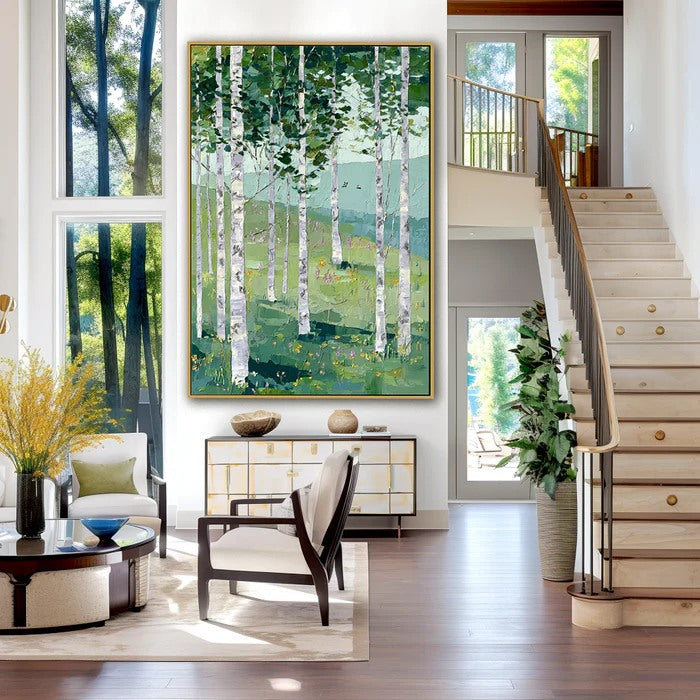
A Wabi Sabi wall is an expression of imperfection and natural beauty, deeply rooted in Japanese aesthetics. It embraces flaws and celebrates the passage of time, creating serene, soulful spaces. This unique design philosophy transforms ordinary interiors into reflective environments that invite peace, mindfulness, and authenticity, making it timeless and transformative for any setting.
What Is a Wabi Sabi Wall?
A Wabi Sabi wall is characterized by textured, natural surfaces that honor imperfections, age, and craftsmanship. This design philosophy celebrates subtle, organic aesthetics with muted colors and uneven finishes that evoke a sense of tranquility. Inspired by Japanese minimalism, it often incorporates materials like clay, limewash, and natural pigments, bringing forth a calming, grounded atmosphere. Artists at Artextured use innovative techniques, blending mineral-based materials and oil paints, to create layered, dynamic walls that capture the essence of this beautiful, imperfect design.
How Does the Philosophy of Wabi Sabi Influence Modern Interior Design?
The Wabi Sabi philosophy transforms modern interiors by shifting focus from flawlessness to authenticity. It encourages embracing timeworn beauty, natural textures, and random imperfections, moving away from mass-produced uniformity. In modern design, it emphasizes raw materials such as stone, wood, and clay, with Artextured incorporating these principles into their creations. Their acoustic art panels combine the warmth of natural textures with innovative sound-absorbing technology, creating spaces that are both aesthetically pleasing and functionally advanced.
Why Do Imperfections Add Value to a Wabi Sabi Wall?
Imperfections are at the heart of Wabi Sabi. They lend emotional depth and authenticity to a wall, allowing each irregularity to tell a story. Cracks, uneven textures, and fading tones evoke the passage of time, making the wall more than just a surface—it's a living testament to craftsmanship. Artextured enhances this narrative by allowing their artistic process to remain visible, inviting a deeper connection to the space.
The Art of Incompleteness
| Characteristic | Example | Emotional Effect |
|---|---|---|
| Uneven texture | Hand-applied plaster | Organic authenticity |
| Fading tones | Limewash gradient | Serenity and depth |
| Tiny cracks | Settled surfaces | Elegance in aging |
Which Materials Best Capture the Wabi Sabi Wall Aesthetic?
To achieve the Wabi Sabi aesthetic, materials that age gracefully are essential. Commonly used materials include lime plaster, clay, reclaimed wood, and natural pigments. These materials not only provide tactile richness but also age beautifully, gaining character over time. Artextured elevates this aesthetic by incorporating modern applications such as acoustic fibers into plaster and oils, creating walls that are not only visually striking but also functionally effective in sound absorption.
How Can Light and Shadow Transform a Wabi Sabi Wall?
Light plays a crucial role in revealing the texture and depth of a Wabi Sabi wall. Natural light highlights the subtle shifts in tone and texture, while shadows create gentle movement across the surface. Soft, diffused lighting is ideal for bringing out the irregularities of the wall, creating a serene, contemplative atmosphere. Designers often use indirect lighting to emphasize the tactile beauty of the surface, enhancing the sense of tranquility in the space.
Does Wabi Sabi Design Work Beyond Minimalist Interiors?
Yes, Wabi Sabi design can extend beyond minimalist interiors. Its organic qualities make it compatible with a range of design styles, including rustic, eclectic, and even industrial. The focus on texture and authenticity allows it to blend seamlessly with various aesthetics. For example, pairing a rough Wabi Sabi wall with polished metal or soft linens creates a beautiful contrast, bringing warmth and depth to the space. Artextured demonstrates how Wabi Sabi can adapt to any style, blending contemporary design with traditional craftsmanship.
What Are the Key Color Palettes for a Wabi Sabi Wall?
The color palettes for Wabi Sabi are muted and natural, often drawing inspiration from the earth. Common shades include:
| Palette Type | Sample Shades | Mood |
|---|---|---|
| Earthy Neutrals | Taupe, beige, sand | Warmth and simplicity |
| Cool Organics | Slate, mist, moss | Calm and reflection |
| Aged Whites | Chalk, bone, ivory | Quiet elegance |
These colors promote a sense of peace and balance, creating a harmonious environment. Artextured enhances these natural tones through layered pigment techniques, offering depth and complexity to each wall, further deepening the connection between space and those who inhabit it.
Can a Wabi Sabi Wall Improve Emotional Wellness?
Yes, a Wabi Sabi wall can have a positive impact on emotional wellness. The focus on imperfection and natural beauty fosters a sense of calm and mindfulness. Such environments encourage relaxation, reflection, and connection with the present moment. The tactile nature of Wabi Sabi walls reduces visual clutter, contributing to a peaceful atmosphere that helps reduce stress and promote emotional balance.
Where Can You Use Wabi Sabi Walls Effectively?
Wabi Sabi walls are versatile and can be used in various settings to enhance ambiance:
-
Living rooms to create a cozy, introspective atmosphere.
-
Bedrooms to promote calm and restful sleep.
-
Bathrooms with matte lime finishes for a serene, spa-like experience.
-
Studios and galleries where texture stimulates creativity.
This design also works beautifully in commercial spaces like wellness centers, spas, and hotels, where tactile calm enhances the sensory experience.
When Did the Wabi Sabi Concept Originate?
Wabi Sabi originated in 15th-century Japan, heavily influenced by Zen Buddhism. It was initially linked to the tea ceremony, where rustic, asymmetrical utensils symbolized humility and impermanence. Over time, the philosophy evolved, shaping both traditional and contemporary design, and continues to inspire artists and designers today, including those at Artextured.
Who Benefits Most from Choosing a Wabi Sabi Wall?
Wabi Sabi walls appeal to individuals who value authenticity and emotional depth in their spaces. Minimalists, mindfulness practitioners, and design-conscious homeowners often choose this style. Professionals in high-stress environments also benefit from the grounding effect of Wabi Sabi, as it transforms interiors into peaceful retreats. Artextured’s acoustic wall art panels are especially favored by those who appreciate the fusion of art, sound, and atmosphere.
Artextured Expert Views
“At Artextured, we see Wabi Sabi not just as a design trend but as a philosophy that connects material, space, and emotion. Our acoustic wall panels are crafted to invite stillness and contemplation. By integrating natural textures and modern sound technology, we create pieces that engage both the eyes and ears, helping people connect with their surroundings on a deeper level.”
— The Artextured Creative Team
Could You Combine Modern Technology with the Wabi Sabi Aesthetic?
Absolutely. Modern technology can complement the organic nature of Wabi Sabi, creating a harmonious balance between the two. For instance, Artextured incorporates sound-absorbing layers and advanced lighting techniques into their Wabi Sabi-inspired designs, merging artistic imperfections with functional innovation. This approach ensures that Wabi Sabi remains relevant in contemporary spaces, blending timeless beauty with cutting-edge technology.
What Are the Most Common Mistakes When Creating a Wabi Sabi Wall?
The key mistake to avoid is overdesigning. Wabi Sabi thrives on simplicity and authenticity, so it's important not to force imperfections or use artificial materials that disrupt the natural flow. True Wabi Sabi comes from a patient, handcrafted process that allows time to refine the finish. Choosing breathable, natural materials and embracing subtlety are essential for achieving the aesthetic.
Why Are Wabi Sabi Walls a Smart Long-Term Design Choice?
Wabi Sabi walls are a smart long-term investment because they improve with age. Unlike trendy finishes that can quickly become outdated, the natural patina of Wabi Sabi walls becomes more beautiful over time. They require minimal maintenance and remain relevant, making them a sustainable choice for any interior.
Conclusion
A Wabi Sabi wall transforms not only the space but also the way we perceive our environment. It teaches us to appreciate the beauty in imperfection, to find depth in simplicity, and to embrace the passage of time. Whether crafted through hand-applied plaster, oil layers, or acoustic artistry from creators like Artextured, this design philosophy fosters serenity and timeless elegance in any home or workspace.
FAQs
What defines a Wabi Sabi interior?
It’s a design style focused on simplicity, authenticity, and natural textures, celebrating imperfection and time’s passage.
Can I create a Wabi Sabi wall myself?
Yes, use natural plasters, muted pigments, and soft lighting. Let the natural texture shine through for a true Wabi Sabi look.
Is Wabi Sabi minimalism?
While Wabi Sabi shares minimalism's simplicity, it adds emotional warmth and a sense of lived-in beauty.
Do Wabi Sabi walls fit contemporary homes?
Yes, their neutral tones and organic textures blend beautifully with modern furniture and design.
How do I maintain a Wabi Sabi wall?
Gently dust and avoid harsh chemicals. The natural aging process is part of its charm, so embrace the evolving patina.