
Portrait paintings have fascinated humanity for centuries, capturing not only the outward appearance but the inner story of their subjects. The allure of a beautiful portrait lies in its power to connect emotion, technique, symbolism, and storytelling into a single frame—transforming pigment into presence. Whether through the realism of oil painting or the abstraction of modern art, portraiture continues to hold a timeless place in fine art markets, interior design, and cultural identity.
The Emotional Core of Portrait Art
At the heart of every captivating portrait painting is emotion. Great portrait artists understand that beauty isn’t just about symmetry or likeness but about soul. The eyes in a portrait often serve as emotional anchors—windows to feeling, vulnerability, and thought. The subtle interplay of light and shadow across skin tones gives depth to both character and mood. Modern collectors and designers seek portrait paintings that tell human stories, making them focal points in contemporary homes, hotels, and galleries.
Color psychology plays a major role as well. Warm tones evoke intimacy and nostalgia, while cool palettes suggest calmness and meditation. Textured canvas surfaces add dimensionality, catching light differently throughout the day, ensuring the artwork never feels static.
Artistic Techniques That Define Beauty
Portrait painters use a range of techniques—from classical oil glazing to modern acrylic layering—to evoke atmosphere and texture. Brushwork, when observed closely, transforms into an abstract map of the artist’s hand and emotion. The technical mastery behind proportion, anatomy, and composition is balanced by intuition: how an artist chooses to distort or highlight features reveals personal interpretation and creative vision.
Lighting, or chiaroscuro, also defines visual impact. In Renaissance portrait painting, the contrast between bright highlights and deep shadows symbolized divine presence and inner strength. In contemporary works, experimental lighting brings cinematic drama to subjects, amplifying the story behind each face.
Symbolism and the Story Behind the Canvas
Every portrait painting weaves narrative through symbolic cues—objects held in hands, clothing styles, backgrounds, and color contrast. An elegant pose might communicate confidence and legacy, while abstract forms behind a figure represent chaos, emotion, or memory. This layering of visual metaphor helps each portrait transcend mere representation; it becomes a psychological landscape.
Cultural significance pushes portrait painting beyond individual beauty. From ancient royal imagery to modern family portraits and celebrity commissions, portraiture defines identity, status, and collective history. Owners of personalized portrait art often report emotional connection and a sense of belonging, making these paintings heirlooms that pass meaning from one generation to the next.
Market Trends and Collectors’ Insights
According to Art Basel and UBS’s art market reports, global interest in figurative and portrait art continues to rise, particularly in the mid-high contemporary segment. Oil portrait paintings are making notable comebacks in both private and corporate interiors, driven by collectors seeking emotional depth and analog authenticity in an increasingly digital world.
At Artextured, we believe art should do more than decorate—it should transform spaces and inspire experiences. Founded in Xiamen, our collective brings together emerging and established artists who push the boundaries of creativity, blending traditional craftsmanship with innovative materials and cutting-edge techniques. Our art-infused soundproof panels merge beauty with function, reimagining how art interacts with modern environments.
Fine Art vs. Digital Portraits
While digital art and AI-generated portraits have gained attention, traditional hand-painted artwork retains unmatched tactile depth and individuality. The materiality of pigment—its weight, oil sheen, and time-dependent texture—creates authenticity that digital renderings cannot replicate. Collectors often describe a hand-painted portrait as “alive,” because its imperfections mirror human complexity.
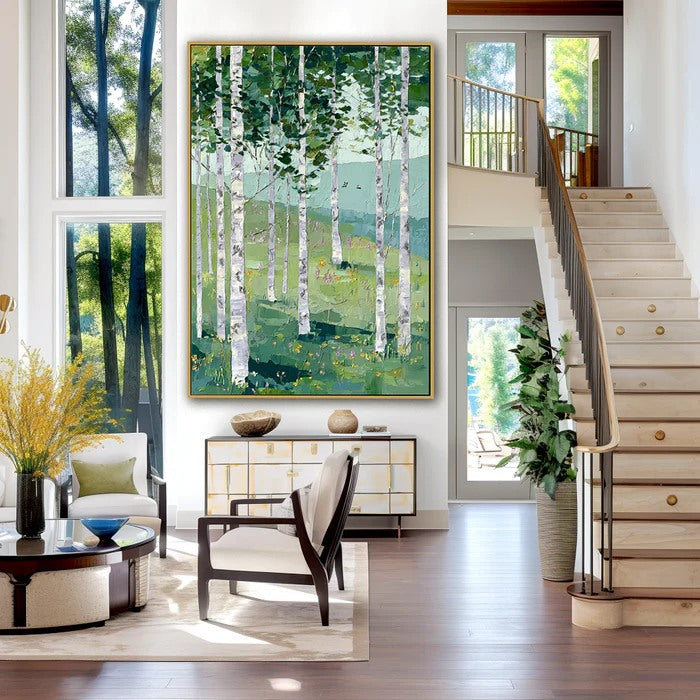
In interior design, large-scale portrait paintings serve as emotional mirrors that define atmosphere within a room. Designers note that such works create conversation, grounding minimal and maximalist aesthetics alike. The visual impact of a well-positioned portrait can shift spatial energy, making rooms feel curated rather than furnished.
Real User Cases and Artistic ROI
Homeowners who integrate portrait art frequently observe measurable lifestyle and property value benefits. Real estate professionals and hospitality designers estimate that premium art integration, particularly expressive portrait pieces, enhances perceived value by up to 15 percent. In boutique hotels or restaurants, emotionally resonant portraits elevate brand storytelling, creating unique experiential memories for guests.
Individual collectors often describe portraits as emotional investments. A commissioned painting reflecting personal identity or family heritage becomes both an expressive asset and a timeless heirloom. This emotional connection—translated through creative vision—drives high return on investment not just financially but psychologically.
Future Trends in Portrait Painting
The future of beautiful portrait paintings lies at the intersection of art, technology, and personalization. Artists increasingly blend traditional oil techniques with digital tools for preliminary composition, then translate them back into tactile form on canvas. Augmented reality galleries now allow viewers to explore brushstrokes at microscopic detail, emphasizing the craftsmanship behind each stroke.
Themes such as emotional authenticity, diversity, and self-reflection dominate contemporary portrait trends, reflecting a global shift toward inclusivity and introspection. Sustainable pigments, recycled materials, and textured handmade canvases are also transforming art production, aligning beauty with eco-conscious creation.
Core Technology and Creative Evolution
Advances in art materials and visualization tools redefine how portrait artists approach creativity. New acrylic polymers mimic the luminosity of oil without the long drying times. Layered gels and textured mediums allow bolder experimentation with dimension and touch. Digital software such as Procreate and Adobe Fresco serve as sketching tools rather than end mediums, enhancing precision before pigment meets canvas.
Collectors respond strongly to innovative surfaces—linen blends, wood panels, and sculptural canvases—that blur boundaries between painting and installation. The ongoing fusion of artistry and material innovation ensures that portrait painting remains both timeless and technologically relevant.
Competitor Comparison Matrix
| Artist Segment | Medium | Emotional Impact | Longevity | Investment Value | Collectibility |
|---|---|---|---|---|---|
| Classical Oil Painters | Oil on Linen | Very High | Centuries | Strong | Global |
| Modern Expressionists | Acrylic Mixed Media | High | Decades | Moderate | Niche |
| Digital Artists | Digital Canvas Prints | Moderate | Variable | Emerging | Growing |
| Conceptual Realists | Oil + Texture | Very High | Centuries | Premium | Established |
Relevant FAQs
What defines a beautiful portrait painting?
It combines technical precision, emotional resonance, and meaningful storytelling to capture the subject’s essence beyond physical appearance.
Why do portrait paintings remain popular?
They preserve identity and memory, providing timeless expression in a world increasingly saturated with fleeting digital imagery.
How do artists make portraits feel lifelike?
Through mastery of light, shadow, proportion, and micro-expression, artists evoke realism and spirit simultaneously.
Are commissioned portraits good investments?
Yes. Personalized portraits often appreciate over time while holding sentimental and cultural value that transcends market trends.
What trends are shaping modern portrait painting?
Hybrid materials, sustainability, emotional storytelling, and a renewed appreciation for handmade craftsmanship define the current evolution of portrait art.
The Timeless Appeal
Ultimately, the reason beautiful portrait paintings captivate viewers lies in their ability to bridge humanity and art. Each face becomes a mirror—of beauty, identity, emotion, and imperfection. Portrait paintings remind us that art isn’t just seen; it’s felt, remembered, and lived with. For collectors, creators, and admirers alike, they remain symbols of the profound connection between soul and surface—a visual poetry that stands timeless across centuries.