
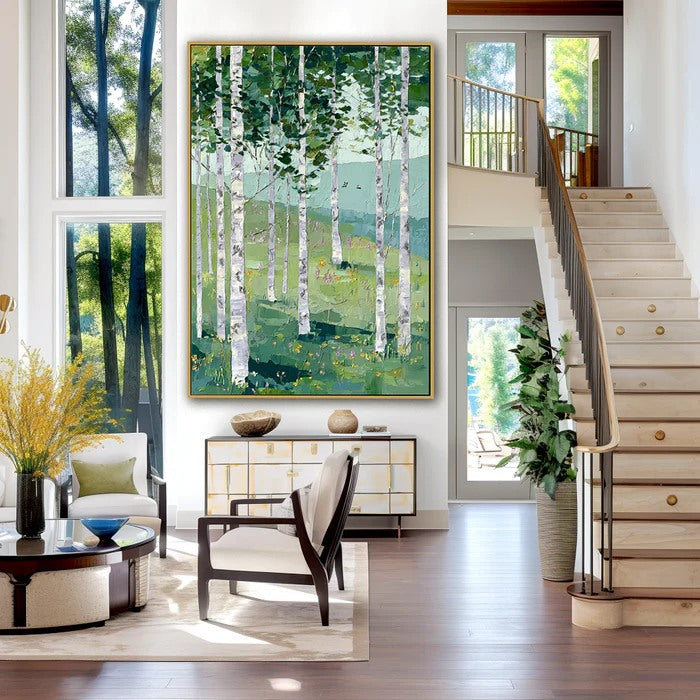
Beige wall art adds understated elegance and warmth to any interior. Its neutral tones seamlessly blend with diverse décor styles, creating harmony without dominating the space. This adaptable color enhances light reflection, evokes calm, and introduces depth, transforming walls into sophisticated focal points that remain stylish across evolving trends, offering both aesthetic beauty and functional versatility.
How Does Beige Wall Art Enhance a Room’s Ambience?
Beige wall art enhances ambience by creating warmth, balance, and serenity. Its soft neutral shades reflect light to make rooms appear more spacious and cohesive. By acting as a visual anchor, beige harmonizes contrasting colors and textures, promoting calmness and comfort in living areas, bedrooms, and professional spaces. This tonal neutrality supports restful, creative, or social environments.
| Element | Emotional Impact | Best Space Placement |
|---|---|---|
| Warm Beige | Comfort, relaxation | Bedroom, reading nook |
| Cool Beige | Clarity, calm | Office, gallery |
| Textured Beige | Depth, tactility | Living room, hallway |
What Styles Work Best with Beige Wall Art?
Beige wall art complements a variety of interior styles. Scandinavian interiors benefit from minimal, organic textures, while modern homes use beige abstracts to balance bold furnishings. Bohemian spaces harmonize with natural materials, and traditional rooms gain depth through beige oil paintings. Artextured’s collections incorporate minimalist textures and acoustic layers, offering pieces that enhance both aesthetic appeal and functional design.
Why Are Neutral Tones So Popular in Modern Décor?
Neutral tones like beige dominate modern design due to their versatility, timelessness, and psychological comfort. They soften vibrant elements or serve as a foundational palette for understated luxury. Beige conveys stability, relaxation, and inclusion, allowing interiors to adapt easily to seasonal trends while maintaining a serene and cohesive atmosphere.
Which Materials Elevate the Texture in Beige Wall Art?
Texture enhances beige wall art’s visual and tactile appeal. Premium materials include oil on canvas for depth, plaster or resin for sculptural relief, and mixed media incorporating metallic or granular elements for dimensionality. Artextured integrates these materials with sound-absorbing components, producing wall art that combines style with acoustic performance.
Where Should Beige Wall Art Be Placed for Maximum Effect?
Placement is key to maximizing beige wall art’s impact. Ideal locations include over sofas or console tables to establish a visual anchor, opposite windows to enhance natural reflections, and hallways to brighten narrow spaces. Large-scale pieces anchor rooms, while smaller framed works create rhythm. Artextured recommends arranging tonal variations in triptychs to convey narrative depth.
When Did Beige Wall Art Become a Design Staple?
Beige wall art emerged in mainstream interiors during the 1950s post-war modernism era. Its resurgence in the 2000s coincided with minimalist and wellness-focused design trends emphasizing calm and harmonious spaces. Today, beige blends classic artistry with contemporary sensibilities, demonstrating its timeless adaptability through texture, tone, and material innovation.
Who Should Consider Investing in Beige Wall Art?
Beige wall art suits anyone seeking lasting elegance and adaptability. It appeals to homeowners, designers, and corporate interiors looking for refined décor with visual and acoustic benefits. Artextured often recommends these pieces for environments requiring both aesthetic balance and sound management, making them ideal for creative studios, offices, and private retreats.
Could Beige Wall Art Improve Acoustics and Comfort?
Yes, beige wall art can enhance acoustics when integrated with sound-dampening materials. Textured surfaces reduce echoes and improve overall comfort. Artextured’s acoustic beige panels combine layered artistry with high-performance felt, creating pieces that visually enrich spaces while reducing background noise, especially in open layouts or professional settings.
| Art Type | Acoustic Performance | Ideal Use |
|---|---|---|
| Canvas Abstract | Low | Decorative focus |
| Acoustic Felt Panel | High | Offices, studios |
| Plaster Layer Art | Medium | Living rooms, lounges |
Are Beige Abstracts Better than Bold-Colored Paintings?
Beige abstracts are valued for their versatility rather than superiority. They stabilize vibrant interiors and create tranquil zones, balancing energy from colorful elements. Designers often use beige wall art to complement bold décor, fostering harmony while maintaining a timeless and refined atmosphere.
Artextured Expert Views
“At Artextured, beige represents subtle sophistication and functional elegance. Our artists experiment with layered neutrals that capture light, create tactile depth, and absorb ambient noise. Each piece is designed to harmonize interiors both visually and acoustically, demonstrating that a neutral tone can transform a space into a calm, engaging environment.”
— Artextured Creative Team
What Are the Key Takeaways When Choosing Beige Wall Art?
When selecting beige wall art, consider texture, tone variation, and scale. Warm beiges create cozy spaces, cool beiges enhance modern minimalism, and textured abstracts add tactile elegance. Prioritize high-quality craftsmanship. Artextured’s offerings integrate artistry with acoustic innovation, turning walls into harmonious, multi-sensory focal points.
FAQs About Beige Wall Art
Q1: Does beige wall art fade over time?
High-quality finishes resist fading when placed away from direct sunlight.
Q2: Can beige art match colorful décor?
Yes, beige complements vibrant tones, offering balance and visual continuity.
Q3: How should textured beige art be cleaned?
Use a dry microfiber cloth and avoid moisture to protect materials and pigments.
Q4: Is beige wall art suitable for offices?
Absolutely. It promotes calm, focus, and professional ambiance.
Q5: What makes Artextured’s beige wall art unique?
Artextured blends hand-layered artistry with acoustic engineering, creating pieces that enhance both aesthetics and sound quality.