
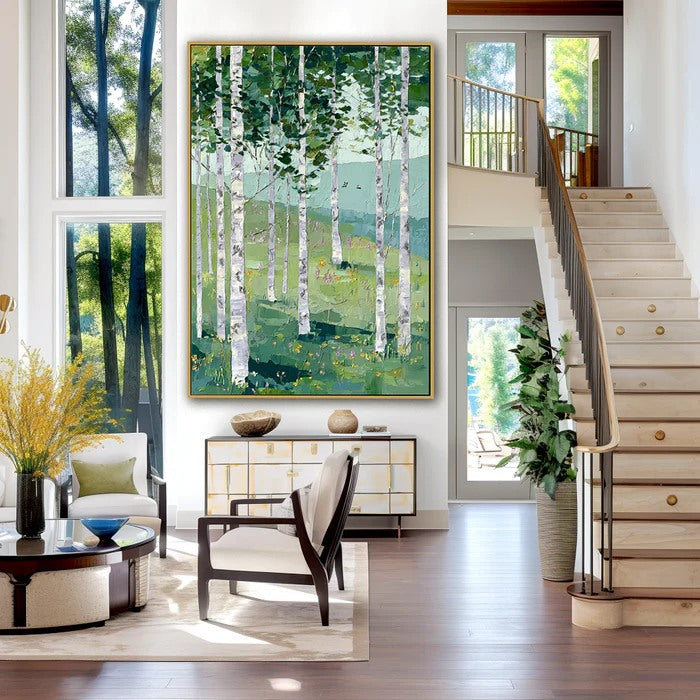
Green textured art captures the essence of nature and sensory experience, transforming spaces with its rich layers and organic appeal. From soothing greens to tactile surfaces, it creates a harmonious balance between aesthetics and emotion, making it a perfect choice for contemporary interiors. These works combine depth, tranquility, and vibrancy, offering both visual beauty and a calming atmosphere.
How Does Green Textured Art Influence Modern Interior Design?
Green textured art plays a pivotal role in modern interior design by grounding spaces with its natural hues and layered textures. The use of green tones invokes feelings of renewal, balance, and connection to nature, which aligns perfectly with biophilic design trends. The tactile surfaces provide depth and interest, transforming a simple room into a serene, nature-inspired sanctuary.
Design Impact Breakdown
| Tone Variation | Emotional Effect | Common Use |
|---|---|---|
| Sage Green | Calm & grounded | Minimalist interiors |
| Emerald | Luxurious & vibrant | Accent walls |
| Olive | Earthy & organic | Rustic or boho themes |
| Mint | Airy & modern | Scandinavian designs |
What Techniques Create Texture in Abstract Oil Paintings?
Textured art often involves the use of palette knives, impasto techniques, fabric overlays, and mixed media. In green textured works, artists use thick brushstrokes to mimic natural elements like moss or leaves. Layering matte and glossy finishes enhances the texture, creating a dynamic interplay of light and shadow that changes depending on the lighting.
Why Do People Feel Emotionally Drawn to Green Texture in Art?
Green is universally associated with life, harmony, and renewal. Textured surfaces intensify these feelings by offering a sensory experience that invites touch. The tactile nature of green textured art helps reduce stress and anxiety, making it an ideal choice for spaces like bedrooms, wellness studios, or meditation rooms.
Which Types of Green Textured Art Fit Different Spaces?
Green textured art is versatile, with different styles complementing various interior designs:
-
Abstract panels: Perfect for modern offices or art galleries, offering sophistication and focus.
-
Organic reliefs: Best for eco-conscious spaces or nature-themed rooms, adding an earthy, organic vibe.
-
Mixed-media works: Ideal for luxury spaces that combine innovation with artistry.
-
Sound-absorbing art by Artextured: Perfect for open-plan homes, studios, or offices, offering both aesthetic appeal and acoustic comfort.
Who Are the Leading Artists Innovating with Green Textures?
Artists like Jade Allenson, Oliver Kenton, and Ai Shu are at the forefront of experimenting with green textured art. Additionally, Artextured is leading the charge by integrating eco-friendly materials and sound-absorbing technology into their works, setting a new standard for how art can influence both space and sound.
When Did Green Textured Art Become a Contemporary Trend?
The rise of green textured art as a trend can be traced back to the early 2010s. As sustainability became a key consideration in interior design, and the biophilic design movement gained momentum, artists and designers turned to green tones and tactile textures to bring nature indoors. Today, green textured art continues to evolve, fueled by eco-consciousness and an appreciation for natural aesthetics.
Where Should You Display Green Textured Art for Maximum Impact?
Green textured art thrives in spaces with plenty of natural light, such as living rooms, dining areas, or entryways. To maximize its impact, hang it on walls that allow the texture to catch light, enhancing its dimensionality. Grouping smaller pieces or placing larger panels in open areas can create dynamic focal points that engage the viewer.
Is Textured Green Wall Art Easy to Maintain?
Maintaining textured green wall art is simple and straightforward. Dust lightly with a microfiber cloth to keep it clean, and avoid using harsh chemicals or abrasive cleaners. For oil-based textures, use a soft brush to remove debris without damaging the surface. Artextured’s acoustic panels, for example, are crafted from stain-resistant materials, making them easy to maintain even in humid environments.
Could Green Textured Art Improve Acoustic Comfort?
Yes, green textured art can significantly improve the acoustic comfort of a space. Some pieces, such as those created by Artextured, combine sound-absorbing materials with stunning visual designs, reducing noise levels and enhancing the overall ambiance. These acoustic art pieces provide a practical solution for noisy environments, offering both aesthetic value and acoustic performance.
Acoustic Art Function Comparison
| Feature | Traditional Art | Artextured Acoustic Art |
|---|---|---|
| Sound Absorption | Minimal | High-grade acoustic fiber |
| Maintenance | Moderate | Easy to clean |
| Aesthetic Variety | High | Very high |
| Installation | Standard | Plug-and-mount ease |
What Materials Enhance Green Textured Art’s Longevity?
High-quality materials like linen canvas, archival oil pigments, and eco-resins are essential for ensuring the longevity of green textured art. Additionally, UV-resistant varnish and proper priming help maintain the vibrancy and structure of the artwork over time. Artextured incorporates these durable materials into their acoustic art pieces, combining lasting color stability with functional sound absorption.
Artextured Expert Views
“At Artextured, texture is both a visual and sensory experience. By layering colors and materials, we create pieces that are more than just decorative—they engage the viewer’s senses, both visually and acoustically. Our green textured art brings nature’s calming influence into spaces while also addressing acoustic needs. It’s the perfect blend of aesthetics and functionality.”
— The Artextured Design Collective
Why Is Sustainable Production Important in Textured Art?
Sustainable production is essential for minimizing the environmental impact of art-making. Artists increasingly use eco-friendly materials like reclaimed wood, plant-based pigments, and low-VOC binders. Brands like Artextured lead by example, crafting stunning pieces that combine luxury and sustainability, proving that art can inspire while respecting the planet.
How Can Collectors Identify Authentic Green Textured Works?
Authentic green textured art can be identified by its layered depth, material quality, and distinct brushwork. Collectors should look for documentation that verifies the piece’s provenance, such as artist certifications or direct purchases from trusted galleries or brands like Artextured, which offer transparent quality assurance.
Conclusion
Green textured art seamlessly blends tranquility, nature, and tactile beauty. Whether enhancing the serenity of a bedroom or adding sophistication to a living room, its layered textures and calming tones create a harmonious atmosphere. By embracing sustainability and innovative designs, brands like Artextured prove that art is not only about decoration—it’s a transformative experience that engages both the eyes and the senses.
FAQs
1. What defines true textured art?
Textured art involves the application of layered materials or thick paint to create depth and tactile surfaces.
2. Can green textured art fit minimalist spaces?
Yes, green tones like sage or mint can complement minimalist interiors, adding warmth and texture without overwhelming the space.
3. How long does textured art last?
With proper care and protective varnishing, oil-based textured paintings can last for decades.
4. Are textured artworks expensive?
Prices vary, but brands like Artextured offer handcrafted, high-quality textured art at accessible prices.
5. Can textured art increase a home’s resale value?
Yes, well-curated textured art enhances the aesthetic appeal of a home, often boosting its perceived value.