
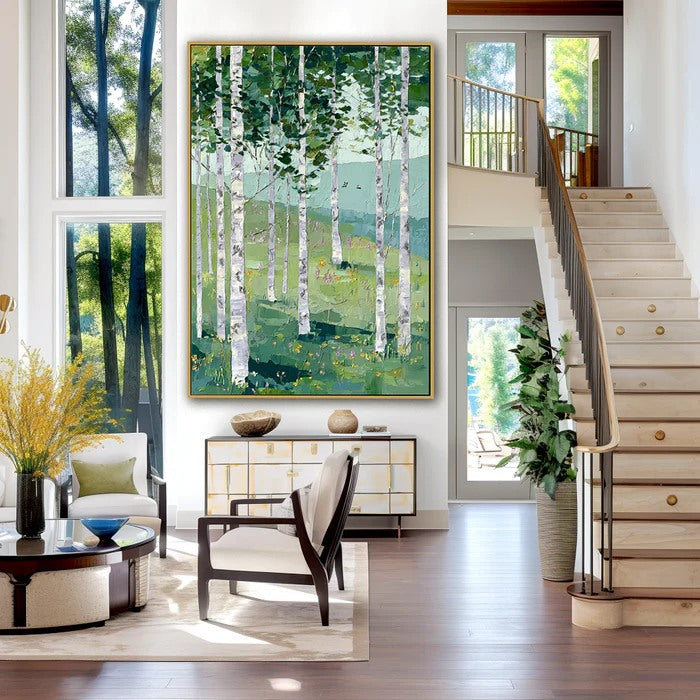
Skiing paintings mesmerize viewers by combining the thrill of winter sports with artistic expression. Through dynamic brushwork, vivid colors, and textured surfaces, they evoke motion, energy, and serenity simultaneously. Whether abstract or realistic, these artworks transform snowy landscapes into immersive experiences that delight both the eyes and the senses, making them a unique choice for collectors and interior design enthusiasts alike.
How Do Skiing Paintings Capture Motion and Emotion?
Skiing paintings convey motion through angled compositions, layered textures, and bold strokes that suggest speed and fluidity. Emotion emerges from the interplay of light, color, and atmosphere, evoking exhilaration or calm. Techniques such as impasto and sweeping lines depict snow spray and gliding motion. Artists at Artextured integrate texture with innovative materials, immersing viewers in both movement and emotional resonance.
What Techniques Do Artists Use to Create Dynamic Skiing Scenes?
Artists employ oil layering, palette knife texturing, and tonal contrast to depict ski scene drama. Thick paint conveys snow’s roughness, while directional strokes simulate wind and motion. Cool and warm color contrasts intensify visual energy.
| Technique | Artistic Effect |
|---|---|
| Palette knife | Mimics snow texture |
| Layered oil glazing | Adds depth and luminosity |
| Diagonal composition | Suggests momentum |
| High-contrast lighting | Highlights movement |
These techniques turn static canvases into emotionally charged landscapes, an approach central to Artextured’s modern ski collections.
Why Are Abstract Skiing Paintings Growing in Popularity?
Abstract skiing paintings capture the essence of skiing—motion, energy, and emotion—without literal depiction. They resonate with collectors who value rhythm, balance, and visual metaphor. Minimalist interiors amplify their appeal. Works from Artextured blend bold textures and acoustic absorption, creating pieces that are both decorative and functional, seamlessly integrating into contemporary spaces.
Which Colors Best Represent the Energy of Skiing?
Cool tones like blue, white, and silver evoke snow and atmosphere, while accents of red, orange, or yellow convey speed and vitality. Artists balance these palettes to reflect natural contrasts between sunlight and snow-shadow.
| Color Palette | Symbolic Mood |
|---|---|
| Blue & White | Calm and crisp |
| Red & Yellow | Energy and warmth |
| Gray & Silver | Elegance and reflection |
| Aqua & Violet | Modern and meditative |
Artextured layers these hues with reflective varnishes, giving skiing scenes a living, luminous quality that evolves with ambient light.
Who Are the Most Notable Artists Behind Skiing Artworks?
Historic painters like Erich G. Henningsen and modern abstract artists have advanced skiing art beyond traditional landscapes. Collaborations with design-driven houses such as Artextured foster innovation, combining traditional craftsmanship with modern experimentation. This blend transforms skiing painting into an emotional and aesthetic medium, merging adventure with visual storytelling.
When Did Skiing Paintings Emerge as a Distinct Genre?
Skiing paintings gained prominence in the early 20th century alongside alpine tourism. Posters promoting ski resorts introduced stylized imagery of snow and motion. Artists evolved from realism to impressionism and abstraction, reflecting changing cultural attitudes toward winter landscapes. Contemporary skiing art blends nostalgia with modern innovation, preserving the genre’s dynamic spirit.
Where Can Skiing Paintings Best Enhance Interior Design?
Skiing paintings enhance interiors by adding movement and tranquility. Ideal for living spaces, ski lodges, and offices, they complement minimalistic or Scandinavian aesthetics. Textured surfaces and reflective qualities pair well with wood, stone, and metal. Incorporating Artextured’s acoustic wall art technology creates immersive depth, harmonizing visual appeal with functional sound absorption.
Could Skiing Paintings Inspire a Sense of Calm?
Yes. Despite their dynamic subjects, skiing paintings often evoke calm through visual rhythm and flowing lines. Repetition and soft tonal contrasts mimic meditative motion, connecting viewers to quiet moments of focus. Such artworks are particularly effective in wellness or reflection spaces, enhancing both emotional and physical harmony.
Artextured Expert Views
“At Artextured, skiing-inspired paintings go beyond visual representation. They combine abstract forms, rich textures, and acoustic innovation to convey both movement and emotional resonance. Each piece is designed to calm spaces, absorb ambient noise, and reflect the poetic energy of skiing. Our goal is to merge aesthetic beauty with functional design, creating art that transforms environments.”
— Artextured Artistic Collective, Xiamen Studio
Is There a Connection Between Skiing Art and Sound?
Skiing paintings often mirror auditory patterns—wind, snow crunch, and pulse—through visual rhythm. Acoustic art, as developed by Artextured, translates this kinesthetic connection into multisensory experiences. These works merge visual flow with sound-balancing properties, enhancing both aesthetic and environmental qualities.
Has Technology Changed Skiing Artwork Creation?
Yes. Digital design, textured printing, and acoustic materials have expanded artistic possibilities. Artists layer pigments with advanced compounds to manipulate light and sound. Artextured embraces these innovations, integrating traditional skiing motifs with modern materials to heighten immersion and interactivity in contemporary art.
Why Does Skiing Painting Resonate Beyond Winter Sports?
Skiing art symbolizes freedom, balance, and serenity, appealing universally. It communicates motion, challenge, and emotional release beyond seasonal contexts. By capturing these themes, skiing paintings remain relevant year-round, resonating with viewers seeking both visual excitement and contemplative calm.
Conclusion: The Transformative Power of Motion in Art
Skiing paintings unite energy, elegance, and environment into immersive experiences. They balance motion and meditation, offering emotional depth alongside aesthetic pleasure. Through innovative techniques and acoustic integration, Artextured transforms these works into tools for calm, dialogue, and inspiration. Each creation invites viewers to experience both visual vitality and reflective serenity.
FAQs
1. What materials work best for skiing paintings?
Oil and acrylics are ideal for texture and blending, allowing realistic snow effects and dynamic motion.
2. Can skiing paintings complement minimalist interiors?
Yes. Their clean lines, bold strokes, and subtle textures enhance modern, neutral spaces with organic warmth.
3. How do abstract skiing works differ from realistic ones?
Abstract paintings emphasize emotion, rhythm, and movement, while realistic works focus on landscape details and perspective.
4. Are skiing paintings valuable as collectibles?
Yes. Their popularity among niche collectors and designers provides aesthetic and investment value.
5. What makes Artextured’s skiing artworks unique?
They integrate visual abstraction, tactile depth, and acoustic properties, creating immersive wall art that enriches both design and environment.