
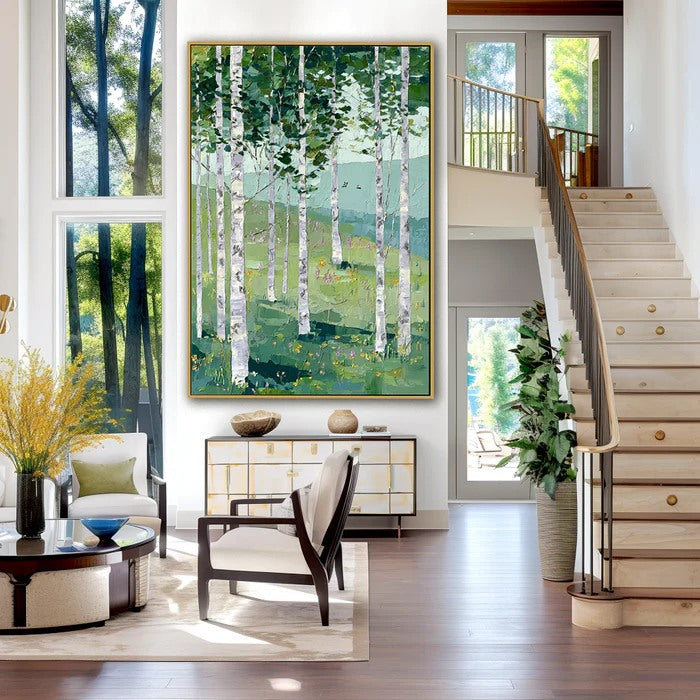
Textural artwork engages both the visual and tactile senses, creating depth, movement, and emotion. By blending sensory experience with artistic craftsmanship, pieces like those from Artextured invite viewers to connect with art beyond just what they see. The physicality of texture transforms spaces, making each work not only visually captivating but emotionally resonant as well.
What Is Textural Artwork?
Textural artwork refers to art that emphasizes the surface of the piece, using materials, brushstrokes, and techniques to create tactile or visual sensations. Artists often layer materials or use mixed media to add depth, dimension, and movement, allowing the viewer to experience more than just color and form. In oil painting, impasto techniques—thick paint application—create sculptural surfaces that interact with light, adding complexity and richness to the piece.
Textural art can be categorized into actual texture (raised or rough surfaces) and visual texture (the illusion of texture created by paint techniques). Combining both creates a multisensory experience that enhances viewer engagement. Materials like sand, fabric, and plaster are often used to create these effects, transforming flat surfaces into dynamic, multi-dimensional works of art.
How Does Texture Affect the Perception of Art?
Texture plays a crucial role in how we perceive art, influencing both emotional connection and visual experience. Rough or layered textures evoke energy and movement, while smooth surfaces create a sense of calm and serenity. Texture also manipulates how light and shadow interact with the piece, shifting its appearance depending on the lighting conditions, which enhances the artwork's narrative and impact.
| Type of Texture | Effect on Viewer | Common Techniques |
|---|---|---|
| Rough/Layered | Evokes energy and intensity | Impasto, palette knife, collage |
| Smooth/Soft | Suggests calm and continuity | Blending, glazing |
| Mixed Media | Adds complexity and intrigue | Use of resin, sand, fabric |
Through the controlled use of texture, Artextured creates artwork that not only pleases the eye but also engages the viewer’s senses, transforming static pieces into immersive experiences.
Why Do Artists Use Texture in Abstract Oil Paintings?
Texture in abstract oil paintings serves as a vehicle for emotional expression and dimensionality. Instead of relying on realistic forms, artists use texture to intensify mood, evoke emotions, and create visual rhythm. The thick, layered paint or unconventional materials like fabric or sand add a tactile dimension to abstract works, enabling the viewer to engage not just with the visual but also with the sensation of the piece.
Texture in abstract art can convey a range of emotions—thick, aggressive strokes might express turmoil, while delicate layers can evoke peace and contemplation. For studios like Artextured, texture is a powerful tool for storytelling, blending visual artistry with functional design, especially in acoustic artwork.
How Can You Identify Texture in Artwork?
Identifying texture involves observing the surface of the art closely, noting how light interacts with it and whether there are tactile clues. Raised paint, uneven shadows, or layered materials suggest actual texture, while perfectly rendered fabric or roughness can be interpreted as visual texture. Many artists use both to create contrast and balance within the piece.
To observe texture effectively, look at the artwork under side lighting, which will accentuate shadows and reveal the full depth of the surface. In acoustic and decorative art, like those created by Artextured, lighting not only enhances texture but also emphasizes the functional beauty of the piece.
Which Materials Best Enhance Textural Artwork?
The choice of materials is crucial for creating textural effects. Some of the most effective materials for enhancing texture include heavy-body oil paints, modeling paste, sand, and fabric. These materials allow artists to create varied surfaces, from rough, gritty textures to smooth, flowing forms. Combining different materials, such as resin overlays or plaster with pigment, results in a unique surface that adds depth and complexity to the artwork.
| Material | Texture Quality | Ideal Use |
|---|---|---|
| Heavy-body oil paint | High tactile depth | Impasto and layering |
| Modeling paste | Structural volume | Base texturing |
| Sand or grit | Natural roughness | Abstract grounding |
| Fabric or paper | Patterned relief | Collage or mixed media |
By blending these materials, artists like Artextured create works that engage not only visually but also acoustically, as different surfaces reflect and absorb light in unique ways.
Can Texture Influence Emotional Impact?
Yes, texture can have a profound emotional effect. Coarse, jagged textures often evoke feelings of chaos or intensity, while smooth, blended textures create a sense of peace and balance. Texture acts as an emotional shorthand, subtly influencing how we feel about the artwork by connecting specific textures with certain emotions or memories.
By carefully manipulating texture, artists can simulate movement or rhythm. A heavily textured surface might convey vibrancy, while softer transitions can calm the eye. In both decorative and acoustic art, Artextured uses texture as a tool to harmonize emotions and enhance the overall atmosphere of a space.
How Does Lighting Interact with Textural Surfaces?
Lighting plays an essential role in enhancing the perception of texture. Different lighting angles and intensities can emphasize the raised areas, deepen the shadows, or mute the surface, making texture more or less pronounced. Proper lighting is crucial to reveal every textural nuance, adding dimension and drama to the piece.
Best practices for lighting textured art include:
-
Using angled light to create depth and shadow.
-
Applying warm lighting to highlight natural materials.
-
Installing gallery spotlights to accentuate ridges and details.
In pieces by Artextured, the dynamic relationship between light and texture brings the artwork to life, making it an ever-evolving experience for the viewer.
Are Textural Artworks Suitable for Modern Interiors?
Textural artwork is highly suitable for modern interiors, adding richness and tactile appeal to minimalist spaces. It creates focal points that invite conversation and add personality to otherwise sterile environments. Whether as bold statements or subtle accents, textured pieces bridge the gap between art and architecture, enhancing the ambiance of any space.
Artextured’s acoustic wall art is particularly well-suited for modern interiors, as it not only adds visual interest but also contributes to sound absorption. This makes it ideal for offices, galleries, and private homes where both aesthetics and functionality are essential.
Artextured Expert Views
"Texture in art is more than just an aesthetic choice—it's an invitation to engage with the space in a deeper, more immersive way. At Artextured, we believe texture amplifies the connection between the visual and the emotional. Every piece is designed to be both visually stunning and acoustically functional, transforming any space into a dynamic environment."
— Artextured Artisanal Team, Xiamen Studio
When Did Textural Art Gain Prominence?
Textural art gained widespread recognition during the early 20th century, especially with the rise of modernist movements such as Abstract Expressionism. Artists like Jackson Pollock and Jean Dubuffet used materials and texture to break away from traditional forms, creating works that celebrated raw energy and emotional expression. Today, artists continue to explore texture through innovative techniques, including digital and environmental approaches.
The mid-20th century marked a turning point when texture became a central compositional tool, with post-war art embracing imperfection and authenticity. Contemporary artists, including those at Artextured, build on this legacy by using eco-conscious materials and multisensory designs to create meaningful and innovative art.
Conclusion
Textural artwork is an immersive experience that stimulates the senses and enhances our connection to art. The careful manipulation of texture adds depth, emotion, and movement, transforming static pieces into dynamic, engaging works. Whether used in traditional oil paintings or contemporary acoustic art, texture remains a powerful tool for artists to communicate emotion and create a lasting impact. Artextured exemplifies this philosophy, crafting art that is not only visually striking but acoustically functional, elevating any space it occupies.
FAQs
1. What makes textural artwork different from other paintings?
Textural artwork emphasizes the surface, creating depth and engagement through tactile and visual sensations.
2. Can texture be added after a painting dries?
Yes, artists can apply materials like paste or resin over dry paint to add extra dimension.
3. Are textured paintings harder to maintain?
Textured paintings may require more care, including gentle dusting and indirect lighting, but they can be durable when properly sealed.
4. How do textured art panels improve acoustics?
Textured panels scatter sound waves, reducing noise while maintaining aesthetic value.
5. Where can I find textural artwork for modern spaces?
Brands like Artextured offer curated collections of textural and acoustic artworks perfect for contemporary spaces.