
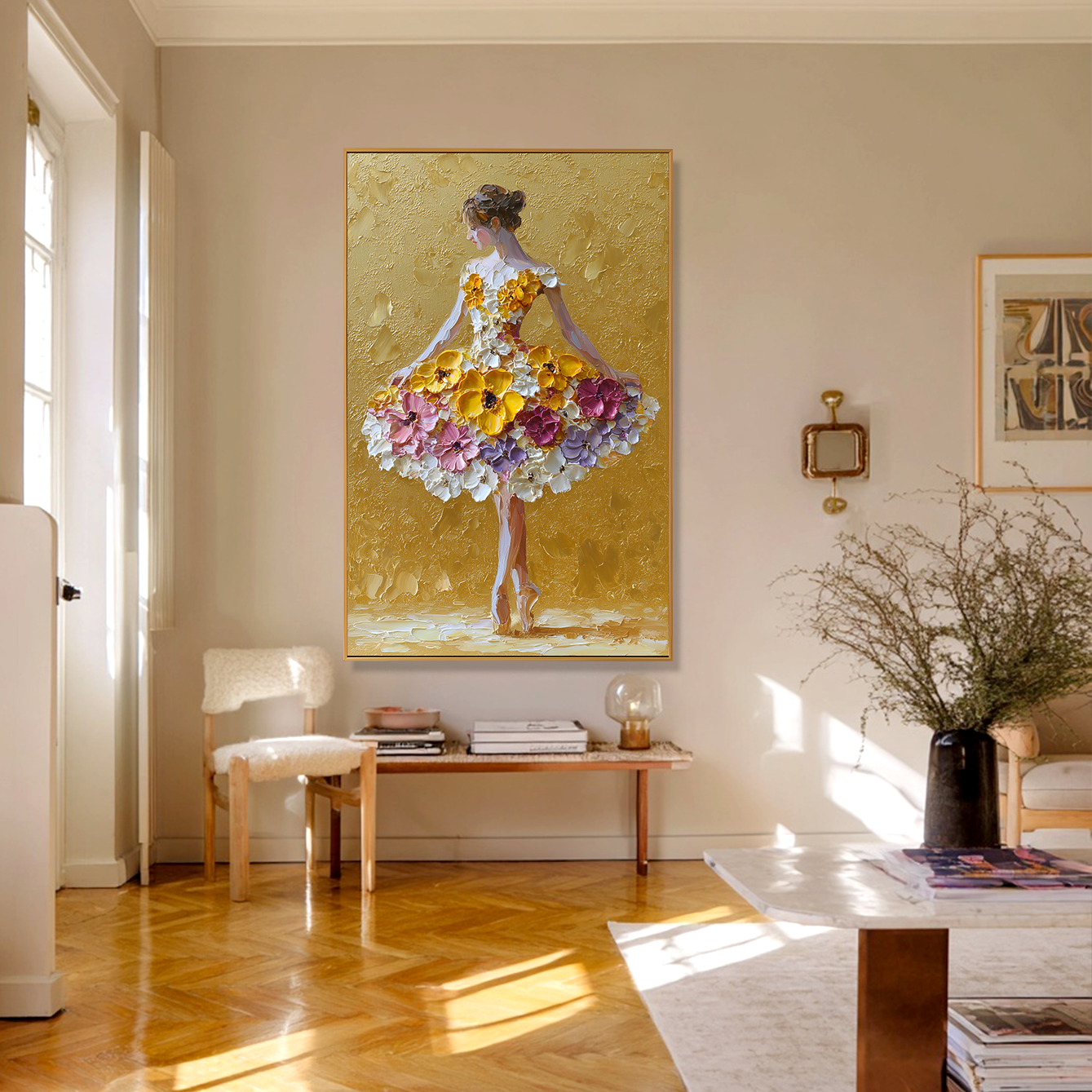
Texture art transforms flat surfaces into dynamic works of art, using depth and tactile elements to evoke sensory experiences. Combining color, material layering, and light interaction, this style invites viewers to engage both visually and physically. Texture art captivates with its ability to create emotional depth, turning walls into interactive masterpieces that blend visual appeal with emotional resonance.
How Does Texture Art Create Emotional Impact?
Texture art captures more than just visual attention; it engages the viewer emotionally by creating a multisensory experience. The raised surfaces interact with light and shadow in unique ways, adding depth and mood to the artwork. The textures themselves—whether smooth or rough—can evoke specific emotional responses. For example, jagged textures can create a sense of tension, while softer textures can induce calmness.
This emotional connection is further amplified by how we perceive textures. Studies show that humans instinctively link texture with feelings. The physicality of texture art, like thick impasto or smooth brush strokes, allows it to convey intensity, tranquility, or movement, making it a powerful tool in modern art.
What Materials and Techniques Define Texture Art?
At the heart of texture art are the materials used to create physical depth. Artists often rely on oil paints, modeling paste, and heavy acrylic gels to build layers that create relief and dimension. These materials are applied with palette knives, brushes, or even hands, which give the work a tactile quality that engages more than just sight.
Artextured artists, for instance, combine these traditional materials with natural fibers, creating not only beautiful textures but also adding acoustic properties. This fusion of form and function showcases how texture art can serve both aesthetic and practical purposes.
| Material Type | Main Function | Common Use in Texture Art |
|---|---|---|
| Modeling Paste | Build 3D relief | Thick surface texture |
| Heavy Acrylic Gel | Preserve brush marks | Flexible, tactile layers |
| Sand & Fabric | Organic feel | Mixed media depth |
| Oil Paints | Bind pigment & texture | Long blending & layering |
Why Is Texture Important in Modern Interior Design?
In interior design, texture art is essential for creating a balanced atmosphere. Smooth, sleek surfaces can feel sterile or lifeless, while textured artworks infuse character and warmth into a space. By adding layers and contrast, texture art helps break the monotony of minimalist or polished interiors. It directs focus, enhances visual interest, and harmonizes with the furniture, light, and spatial rhythm.
Artextured's acoustic art, which combines beauty with noise-absorbing properties, is a perfect example of how texture can enhance both the visual and auditory environment. These pieces are designed not only to look stunning but to contribute to better sound quality in spaces, proving that texture in art is as functional as it is aesthetically pleasing.
Which Styles of Texture Art Are Trending Today?
Texture art today is increasingly influenced by organic minimalism, geometric abstraction, and natural palettes. Minimalist artworks with subtle reliefs and muted tones dominate the scene, alongside bold abstract pieces that feature thick impasto strokes. Nature-inspired textures, such as those mimicking sand or stone, continue to gain popularity.
Contemporary artists, including those at Artextured, experiment with eco-conscious materials like metallic leaf and recycled fibers to add sustainability to their works. These styles offer both a visual and tactile experience, creating textures that tell stories and evoke deep emotional responses.
| Style | Key Feature | Popular Medium |
|---|---|---|
| Minimalist Texture | Subtle raised contours | Plaster and oil on canvas |
| Abstract Impasto | Bold, thick strokes | Oil and acrylic paints |
| Organic Earth Tones | Nature-inspired layers | Mixed natural media |
Who Collects Texture Art and Why?
Texture art appeals to collectors who seek more than just decoration—it offers a unique emotional depth and originality that other forms of art often lack. Private collectors, galleries, and hospitality spaces are drawn to texture art for its ability to add luxury and character to environments. The imperfections and tactile qualities of textured pieces also signify authenticity and craftsmanship, which are highly valued by those seeking one-of-a-kind pieces.
At Artextured, clients appreciate the emotional presence of textured art, especially as it enhances interior spaces with both aesthetic beauty and functional acoustic benefits.
How Can Beginners Start Creating Texture Art?
Starting with texture art doesn’t require advanced skills—just a willingness to experiment. Beginners can begin by using materials like modeling paste, gesso, and thick acrylic paint. Apply the materials using palette knives or sponges to create layers, experimenting with different textures and light effects.
Beginners should focus on exploration rather than perfection. Over time, with consistent practice, they’ll develop the ability to create more complex textures and compositions. Artists at Artextured started in similar ways, refining their techniques through experimentation and persistence.
Are There Functional Benefits Beyond Aesthetics?
Texture art goes beyond visual appeal by offering practical benefits. In spaces prone to echoing or high noise levels, textured surfaces can help absorb sound, improving the acoustic comfort of a room. Additionally, textured canvases can soften harsh lighting, reducing glare and contributing to a more pleasant atmosphere.
Artextured’s acoustic wall art is a perfect example of this blend of function and beauty, providing spaces with both visual intrigue and improved sound quality.
When Did Texture Become Central to Abstract Art?
Texture became a significant element in abstract art during the early 20th century, with artists like Vincent van Gogh and Jean Dubuffet pioneering the use of impasto and material layering. This approach was later embraced by Abstract Expressionists, who rejected traditional realism in favor of emotional expression through texture.
Today, artists at Artextured continue this legacy, combining handcrafted textures with modern materials to create art that resonates with both sight and touch, appealing to the contemporary demand for multisensory experiences.
Artextured Expert Views
“Texture is not just an artistic choice; it’s integral to how we experience art,” says the Artextured creative team. “By combining texture with sound-absorbing materials, we create pieces that engage more than the eyes. At Artextured, our goal is to design art that speaks to the senses—both visually and acoustically, transforming spaces in ways that go beyond decoration.”
Why Does Texture Art Continue to Evolve?
Texture art evolves as new materials and techniques emerge, meeting the demands of contemporary tastes and functional needs. Innovations in eco-friendly resins, recycled composites, and sound-absorbing substrates are expanding the creative possibilities for texture art. This adaptability ensures that texture art remains a vital part of the artistic conversation.
Artextured exemplifies this evolution, seamlessly integrating sustainability, function, and innovation into every piece they create.
Conclusion
Texture art offers a dynamic, emotional experience that engages both sight and touch. Its ability to add depth, mood, and sensory engagement makes it an essential component in modern art and design. As seen through Artextured’s innovative creations, texture is no longer just a decorative element—it is an integral part of creating immersive, functional, and transformative spaces.
FAQs
What is the purpose of texture in art?
Texture adds visual depth, emotional resonance, and tactile engagement, enriching the viewer's experience.
Can texture art improve acoustics?
Yes, textured surfaces absorb sound, reducing echo and enhancing sound quality in large or open spaces.
Is texture art hard to maintain?
No, it’s easy to maintain with regular dusting using a soft brush to avoid damaging the surface.
Which rooms benefit most from texture art?
Texture art is especially effective in living rooms, offices, and restaurants, enhancing both ambiance and acoustics.
Can I create texture art without prior painting skills?
Yes, beginners can start with simple layering techniques using modeling paste and acrylics to experiment and discover new textures.