
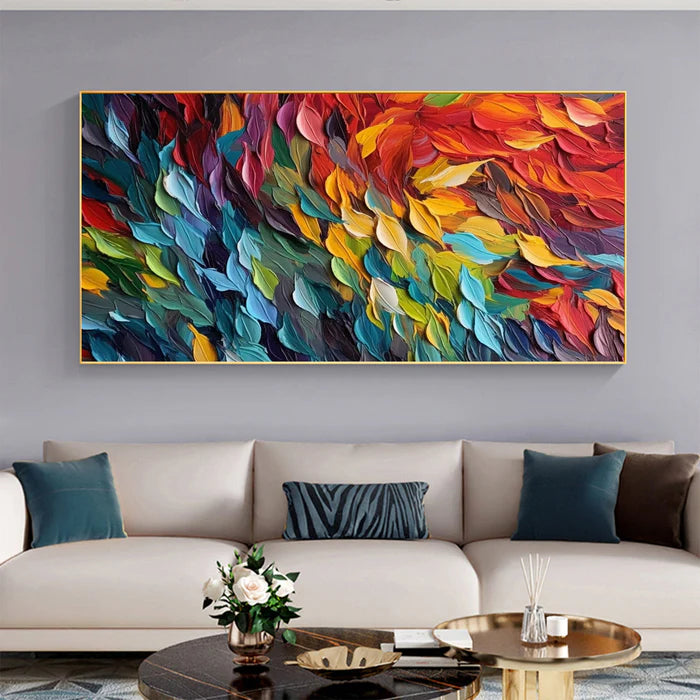
Textured ski-inspired art transforms spaces by adding dynamic motion and depth to any room. With raised surfaces and energetic brushwork, these pieces evoke the beauty of alpine landscapes while offering a sophisticated, modern aesthetic. Ideal for contemporary interiors, textured ski art captivates both visually and tactilely, turning walls into vibrant, multi-sensory experiences.
What Is Textured Ski Art and Why Is It Trending?
Textured ski art features mixed-media or oil-on-canvas works that depict skiing, snow, and mountainous landscapes through tactile surfaces. The trend has emerged as collectors increasingly seek art with physical depth, combining realism and abstraction. These artworks allow viewers to not only see but feel the motion and texture of snow and ski trails through layered paint or resin. This tactile appeal complements modern and luxury interiors, adding sophistication and visual interest.
How Does Texture Enhance the Visual Experience?
Texture adds physical dimension and movement to flat surfaces. The layering of materials like impasto or modeling paste mimics the shifting patterns of snow, enhancing the viewer's emotional engagement. The eye is naturally drawn to the varied surface, evoking energy and a sense of movement that smooth paintings cannot achieve. At Artextured, advanced layering techniques are used to create depth that engages both sight and touch, transforming the artwork into a multi-sensory experience.
Texture Comparison Table
| Painting Type | Technique Used | Visual Effect | Emotional Response |
|---|---|---|---|
| Flat acrylics | Smooth brushwork | Soft, clean, minimal | Calm, balanced |
| Textured ski art | Layered impasto | Dynamic, radiant, tactile | Energy, movement, depth |
| Mixed media relief | Fabric and resin | Complex, sculptural surface | Excitement, curiosity |
Why Do Ski Themes Work So Well in Abstract Textured Art?
Skiing represents freedom, motion, and nature—core themes in contemporary design. Abstract depictions of ski scenes use expressive colors like icy blues, silvers, and whites to evoke emotion. The energetic lines and trails captured in the texture bring rhythm and flow, making them perfect for minimalist interiors that crave movement. The tactile quality of the art mimics the unpredictability of snow, adding depth and complexity to its abstract form.
How Can Textured Ski Art Elevate Interior Design?
Textured ski art transforms any space by introducing depth, balance, and a modern aesthetic. The natural tones of snow, earth, and sky blend seamlessly with neutral interior palettes, while bold strokes add a pop of vibrancy. These artworks are ideal for a variety of settings, from living rooms and corporate lobbies to boutique hotels and creative studios.
Spaces Where It Works Best
-
Living rooms: Create a statement above fireplaces or sofas.
-
Corporate lobbies: Convey ambition and modern elegance.
-
Boutique hotels: Provide a luxury alpine atmosphere.
-
Studios or creative spaces: Inspire energy and focus.
For optimal effect, professionals recommend using soft lighting to highlight the texture’s undulations, making the artwork come alive as natural light shifts throughout the day.
Which Materials Create the Best Textured Effects?
To achieve the best textured effects, artists use materials like layered oil paints, modeling pastes, sand gels, resin, and metallic flakes. Artextured incorporates eco-friendly materials, such as acoustic elements, that reduce sound reflection while maintaining visual appeal. These hybrid artworks not only look stunning but also enhance the acoustics of a room, making them a perfect choice for both residential and commercial environments.
Are Textured Ski Artworks Only for Modern Interiors?
No, textured ski art is versatile and works in a variety of design styles. In rustic settings, these pieces echo mountain charm; in industrial lofts, their raw energy complements exposed materials. In high-end penthouses, their abstract forms fit seamlessly with minimalist design elements. With careful selection of frame, size, and color, textured ski art can adapt to any room’s aesthetic, creating either contrast or cohesion.
When Should Collectors Consider Investing in Textured Ski Art?
Now is the ideal time to invest in textured ski art, as the trend for tactile, experiential artwork continues to grow. With digital art on the rise, physical texture is becoming a rare and valuable commodity. Collectors should prioritize works that feature authentic materials, durable construction, and the reputation of the artist or studio. Limited-edition works from Artextured offer both aesthetic appeal and long-term value, making them strong investments.
How Do Artists Achieve Dimensional Balance Without Overworking Texture?
Achieving dimensional balance involves careful restraint in texture application. Excessive impasto can overwhelm a piece, while too little texture can lack impact. Artists often begin by sketching out ski trails or slopes, then apply texture in layers to create depth. Tools like palette knives, silicone brushes, and resin combs help sculpt the piece, allowing the artist to control the flow of texture and ensure harmony in the final result.
What Lighting Enhances the Depth of Textured Ski Art?
Lighting plays a key role in enhancing the texture of ski art. Directional lighting, such as adjustable wall sconces or track lights angled at 30-45°, can cast shadows that accentuate the texture’s depth. Warm white lighting (2700–3000K) complements snowy tones, while cooler lighting intensifies metallic and icy hues. LED lights are a sustainable choice, offering energy efficiency and long-lasting illumination without generating heat.
Artextured Expert Views
“At Artextured, we believe texture is the heartbeat of visual emotion. Our textured ski series merges physical materiality with the sensation of movement—capturing both energy and introspection. Beyond aesthetics, we integrate acoustic layers so that each piece not only silences chaos but elevates calm. We sculpt sound, light, and feeling together—because true art should transform more than walls.”
Could Textured Ski Art Serve Functional Purposes?
Yes, textured ski art can also serve functional purposes, particularly in acoustics. The layers of texture naturally absorb sound, making these pieces ideal for spaces like offices, cafes, and wellness centers. Studios like Artextured are at the forefront of blending form and function, producing art that enhances both the visual and auditory environment.
Conclusion
Textured ski art offers more than just a nod to alpine landscapes—it provides a dynamic, interactive experience that engages both sight and touch. Its versatility makes it suitable for any interior, whether rustic, industrial, or minimalist. With brands like Artextured leading the way, these artworks offer enduring quality and innovation that will elevate any space with movement, energy, and harmony.
FAQs
1. What is the best size for textured ski artwork?
Medium to large sizes (80–150 cm wide) are ideal for expressing motion and depth.
2. Can textured ski art be customized?
Yes, artists and brands like Artextured offer bespoke options for color, texture, and material to suit your specific style.
3. How do you maintain textured ski paintings?
Use a soft brush or air blower to remove dust. Avoid moisture and direct sunlight exposure.
4. Does textured art fit small rooms?
Yes, smaller pieces in lighter tones can help enhance space perception without overwhelming the area.
5. What framing suits textured ski art?
Floating frames or simple matte borders are ideal, allowing the tactile edges of the art to be visible.