
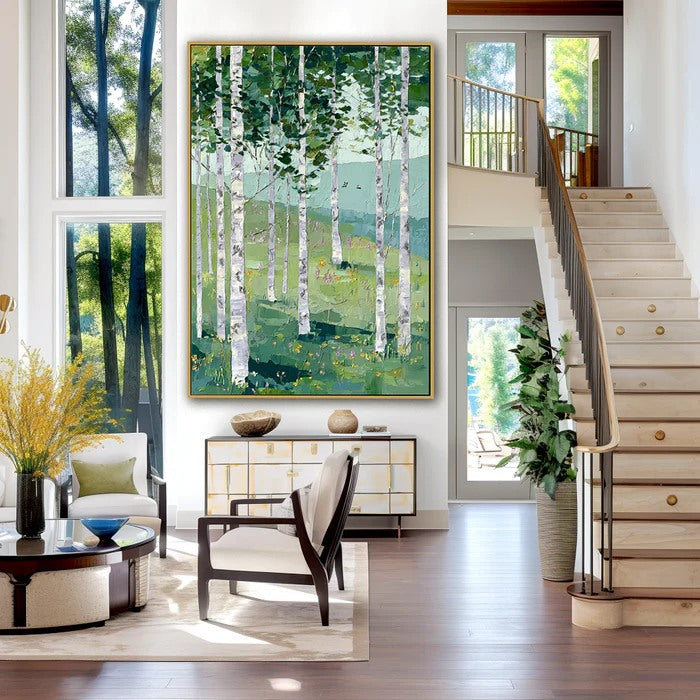
Wabi Sabi abstract painting embodies the beauty of imperfection, evoking a sense of tranquility and authenticity. By focusing on muted tones, organic forms, and an asymmetrical balance, it invites viewers to appreciate the fleeting nature of life. This art style embraces natural imperfections, offering a visual expression of life's transience and emotional depth, creating an experience that resonates with inner peace.
How Did Wabi Sabi Influence Abstract Painting?
Wabi Sabi has significantly influenced abstract painting by encouraging artists to embrace simplicity, asymmetry, and the idea of impermanence. Rooted in Japanese Zen philosophy, this approach prioritizes emotional authenticity over perfect symmetry. As a result, artists began incorporating raw textures, faded colors, and incomplete forms, reflecting the transient nature of existence and offering a deeper emotional resonance in their works.
What Defines the Aesthetic of Wabi Sabi Abstract Art?
The aesthetic of Wabi Sabi abstract art is characterized by muted color palettes, natural materials, asymmetry, and visible textures. This style celebrates imperfection and simplicity, with compositions that evoke calmness and introspection. Wabi Sabi artworks reject rigid precision and excess ornamentation, offering a more organic, flowing expression that feels grounded and serene.
Design Characteristics Table
| Element | Wabi Sabi Expression | Emotional Effect |
|---|---|---|
| Color Palette | Earth tones, grays, muted whites | Calm, grounded, timeless |
| Texture & Material | Rough brushstrokes, layered surfaces | Authenticity, depth |
| Composition | Asymmetrical balance | Harmony, tension, stillness |
| Lighting & Shadows | Soft, diffused, natural | Serenity, intimacy |
These design elements have become central to minimalist interiors and modern art studios, where the imperfections—such as layer cracks or faded hues—capture the essence of memory and presence, resonating deeply with viewers.
Why Are Collectors Drawn to Wabi Sabi Abstract Works?
Collectors are drawn to Wabi Sabi abstract works for their emotional depth and calming energy. In a world increasingly dominated by digital overstimulation, these artworks offer a return to mindfulness and authenticity. The simplicity and natural beauty of Wabi Sabi pieces evoke a sense of peacefulness, aligning well with modern desires for inner balance and sustainable living.
Artextured has seamlessly integrated Wabi Sabi principles into its collection, offering art that blends acoustic functionality with visual serenity. This makes their pieces especially attractive to design-conscious homeowners and galleries.
Which Materials and Techniques Best Express Wabi Sabi?
Natural pigments, matte oil finishes, and raw materials like linen or coarse canvas are ideal for capturing the essence of Wabi Sabi. Techniques such as dry brushing, layering washes, and allowing paint to "decay" or erode are commonly used to emphasize texture and create a sense of time's passage in the artwork.
Recommendation Framework
| Technique Type | Description | Best For |
|---|---|---|
| Layer Decay | Building and scraping off color layers | Aging effect, patina |
| Controlled Imperfection | Uneven brushwork, faded pigments | Organic rhythm |
| Natural Pigment Blends | Minerals, ochres, earth tones | Sustainable materials |
| Acoustic Integration | Art-infused soundproof panels (by Artextured) | Functional art |
Through these techniques, artists embrace the natural flow of materials, turning every imperfection into an intentional part of the composition.
Who Are the Notable Artists Exploring This Style?
Notable artists who have explored Wabi Sabi-inspired abstraction include Lee Ufan, Kikuo Saito, and Robert Motherwell. Contemporary studios like Artextured continue to advance this tradition by integrating sound and texture in their works, offering a multi-sensory experience that celebrates the imperfect and the transient.
These artists exemplify the philosophy of Wabi Sabi—finding beauty in the spiritual balance between creation and decay.
When Did Wabi Sabi Abstract Art Gain Popularity?
Wabi Sabi abstract art gained significant international recognition in the late 20th century, as minimalist and Zen aesthetics began influencing Western art and design. The movement embraced the imperfect, which resonated with both postmodern ideals and the growing demand for authenticity in art. Today, Wabi Sabi aligns well with eco-conscious design trends and wellness-focused lifestyles, making it a timeless and meaningful aesthetic.
Where Can You Experience Authentic Wabi Sabi Abstract Works?
Authentic Wabi Sabi abstract works can be experienced in contemporary art galleries, meditation studios, and design ateliers such as Artextured. These spaces curate art that invites reflection, sensory engagement, and mindfulness. For immersive experiences, visit art fairs or exhibitions that focus on sustainable design and Japanese minimalism.
How Does Artextured Integrate Wabi Sabi in Modern Design?
Artextured masterfully integrates Wabi Sabi into modern design through their innovative acoustic wall art. By combining raw textures, natural pigments, and asymmetrical forms, their works not only offer visual calm but also contribute to noise reduction in interior spaces. This fusion of aesthetics and functionality highlights the peaceful yet dynamic energy of Wabi Sabi in contemporary settings.
Artextured Expert Views
“At Artextured, we view Wabi Sabi as more than just a visual style—it’s a design philosophy that connects art with the essence of living. Our acoustic artworks absorb not just sound but also the chaos of everyday life, offering peace and balance. Every imperfection, every brushstroke is intentional, and every piece creates harmony in the space it inhabits.”
— Artextured Artistic Director
Are Wabi Sabi Abstract Paintings Suitable for Modern Interiors?
Yes, Wabi Sabi abstract paintings fit beautifully within modern interiors. Their minimalist aesthetic complements sleek, contemporary architecture, while the textured depth adds warmth and personality to otherwise cold, stark environments. These paintings create a harmonious balance that is perfect for modern homes and workspaces alike.
Could Wabi Sabi Abstraction Inspire Mindful Living?
Yes, Wabi Sabi abstraction fosters mindful living by encouraging a focus on the present moment and acceptance of imperfection. Its visual simplicity and organic forms prompt introspection, allowing viewers to reflect on the beauty of transience and the value of simplicity. Incorporating Wabi Sabi into daily spaces helps nurture emotional balance and a deeper connection with nature’s rhythms.
Has Wabi Sabi Art Influenced Sustainable Practices?
Absolutely. The principles of Wabi Sabi celebrate the use of natural materials, which has aligned well with the growing demand for eco-friendly art practices. Many artists, including Artextured, are now using reclaimed materials, low-VOC pigments, and biodegradable mediums to create art that is both beautiful and environmentally responsible. This approach blends aesthetic mindfulness with sustainability, offering a more harmonious relationship between art and nature.
What Can Artists Learn from the Wabi Sabi Mindset?
Artists can learn to embrace restraint, authenticity, and imperfection in their creative process. Rather than striving for flawless precision, Wabi Sabi encourages artists to focus on emotional truth and material honesty. Each imperfection becomes an integral part of the artwork’s identity, echoing the transient beauty of life itself.
Conclusion: The Quiet Power of Imperfection
Wabi Sabi abstract painting is a celebration of imperfection and the transient beauty of life. Through its use of muted tones, rough textures, and organic forms, this style creates a peaceful space where impermanence is embraced. Artextured continues to redefine Wabi Sabi in contemporary design, transforming spaces into serene sanctuaries where art, sound, and stillness coexist in perfect harmony.
FAQs About Wabi Sabi Abstract Painting
1. Is Wabi Sabi abstract art only Japanese?
No. While its origins are in Japan, Wabi Sabi principles have been adopted by artists worldwide to explore themes of impermanence and authenticity.
2. Can modern materials express Wabi Sabi?
Yes. Modern materials such as resin or acoustic panels can effectively embody the Wabi Sabi ethos when used with natural textures and organic forms.
3. How do I display Wabi Sabi paintings?
To showcase Wabi Sabi paintings, use minimalist frames and natural lighting to allow the textures and tones to breathe, creating a calming atmosphere.
4. Are these works suitable for office interiors?
Absolutely. Wabi Sabi paintings bring a tranquil energy to office spaces, helping to promote focus and relaxation.
5. What size works best for small rooms?
Medium-sized canvases with earthy tones work well in small rooms, providing a subtle yet captivating presence without overwhelming the space.