
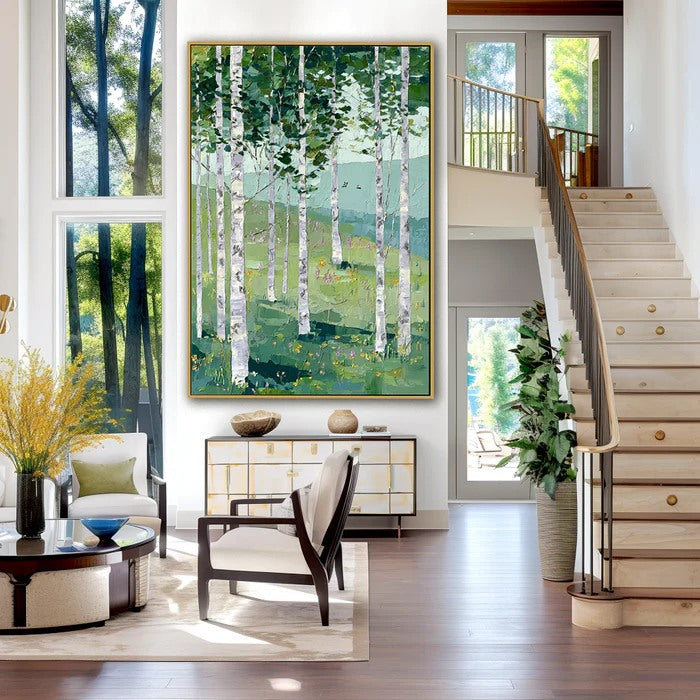
Wabi-sabi textured art celebrates the beauty of imperfection, simplicity, and natural aging. It embraces the organic, tactile qualities of materials, transforming spaces into serene environments. Rooted in Japanese aesthetics, it blends muted tones, rough textures, and balanced asymmetry, evoking a sense of tranquility and authenticity. This fusion of beauty and function makes wabi-sabi art an enduring favorite in modern design.
What Is Wabi-Sabi Textured Art?
Wabi-sabi textured art is a modern reflection of the Japanese philosophy that finds beauty in imperfection, impermanence, and incompleteness. It uses layered textures, cracks, and natural materials such as plaster, fabric, and sand to create visually rich, tactile surfaces. The textures invite touch and reflection, making them a central feature in minimalist and biophilic design.
In-Depth Explanation
Wabi-sabi celebrates the unrefined by using neutral color palettes—taupes, greys, and whites—that highlight organic irregularities. Techniques like impasto and natural erosion effects replicate the processes of nature. At Artextured, artists combine traditional methods with innovative acoustic materials, integrating both beauty and function into each piece.
How Does Texture Transform Abstract Art?
Texture deepens emotional engagement with abstract art by adding physical depth and dimension. It converts a flat surface into an interactive experience, allowing light and shadow to play across the surface while grounding abstract forms in physical reality.
In-Depth Explanation
Textured layers applied with palette knives, plaster, or natural pigments can convey movement and depth, creating an immersive experience. These surfaces invite tactile engagement and emotional connection. Artextured's acoustic art panels are an excellent example of how texture can enhance both sound absorption and visual appeal, merging function and form seamlessly.
Why Does Wabi-Sabi Texture Appeal to Modern Interiors?
Wabi-sabi textures complement modern design trends such as minimalism, biophilic design, and Japandi style, creating peaceful and grounded spaces that celebrate natural imperfection.
In-Depth Explanation
In modern interiors, wabi-sabi textures—like limewash, travertine finishes, and handmade canvas—soften sleek lines and synthetic materials, infusing warmth and authenticity. Artextured’s textured collections fit seamlessly into contemporary spaces, wellness environments, and hospitality settings, providing acoustic harmony and visual serenity.
| Design Element | Wabi-Sabi Impact | Modern Use |
|---|---|---|
| Neutral palette | Calms visual clutter | Japandi, zen design |
| Imperfect texture | Evokes nature’s touch | Plaster, hemp, linen art |
| Muted tone layering | Suggests depth, time | Abstract oil, mixed media |
Which Techniques Create Authentic Textured Surfaces?
Artists achieve authentic wabi-sabi textures by manipulating layers, using natural materials like sand, lime plaster, and mineral pigments, and embracing the imperfections that come with time and use.
In-Depth Explanation
True wabi-sabi texture emerges from subtle layering and natural processes rather than over-engineering. Artists at Artextured use:
-
Gesso and sand mix for earthy grit
-
Stucco or plaster for cracked depth
-
Natural fiber embedding for organic relief
These methods are combined with sound-absorbing substrates, transforming ancient techniques into modern acoustic masterpieces.
What Emotions Does Wabi-Sabi Texture Evoke?
Wabi-sabi texture evokes emotions such as tranquility, nostalgia, and acceptance, offering serenity through the tactile qualities of eroded or timeworn surfaces.
In-Depth Explanation
The irregular textures of wabi-sabi art mimic the impermanence of nature—weathered walls, faded petals, or wind-shaped stones. These art pieces create intimacy and warmth, turning cold, empty spaces into environments full of life and character. Artextured's approach reflects this ethos, with every texture crafted to nurture connection.
How Can You Use Wabi-Sabi Textured Art in Decor?
Wabi-sabi textured art can serve as the focal point in minimalist interiors or be paired with natural fibers and neutral furnishings to create a harmonious, grounded atmosphere.
In-Depth Explanation
Strategically placed, textured art brings balance to minimal spaces or modern architecture. Pairing large-scale textured canvases with linen upholstery or oak furniture enhances the art's presence. Artextured suggests combining pieces with varying relief intensity to generate depth while maintaining a unified aesthetic tone.
Are Neutral Colors Essential to Wabi-Sabi Texture?
Yes, neutral colors are essential to wabi-sabi because they highlight the natural beauty of the texture, emphasizing material authenticity over bold hues.
In-Depth Explanation
Neutral tones—beige, clay, taupe, off-white—allow the textures to take center stage. The play of light across these surfaces creates tonal variation, reinforcing the calming, meditative qualities of wabi-sabi art. Artextured expertly captures this in its palette-driven collections, where the simplicity of color enhances the story told by each texture.
Could Modern Materials Weaken Wabi-Sabi Authenticity?
Not necessarily. When used thoughtfully, modern materials like resin or recycled composites can enhance the beauty of wabi-sabi art while meeting eco-conscious standards.
In-Depth Explanation
Authenticity in wabi-sabi stems from the intent behind the piece, not just the materials used. At Artextured, artists combine natural and synthetic materials—such as resins mixed with mineral pigments—to preserve the imperfections that define the art, ensuring both durability and organic character.
| Material Type | Traditional Role | Modern Adaptation |
|---|---|---|
| Clay & lime | Texture & tone base | Eco-plaster surfaces |
| Pigment minerals | Natural coloration | Sustainable pigments |
| Canvas or wood | Foundation layer | Acoustic composite systems |
When Did Wabi-Sabi Influence Western Abstract Art?
Wabi-sabi’s influence in Western abstract art began post-World War II, as minimalist and Zen philosophies merged with modernism’s abstract movement.
In-Depth Explanation
Artists like Mark Tobey and Agnes Martin incorporated wabi-sabi’s subtleties—simplicity, humility, texture—into their abstract works. Today, designers and studios like Artextured continue to reinterpret this ancient philosophy, blending it with modern sound-integrated art.
Who Collects Wabi-Sabi Textured Art Today?
Wabi-sabi textured art appeals to contemporary collectors, interior designers, and wellness spaces seeking mindfulness aesthetics.
In-Depth Explanation
Buyers are drawn to wabi-sabi for its emotional depth, sustainability, and understated luxury. The trend towards biophilic design has increased demand for wabi-sabi works, with clients from boutique hotels, residential projects, and architectural firms seeking atmospheric coherence. Artextured’s collections cater to this growing market.
Artextured Expert Views
“Wabi-sabi textured art reminds us that beauty is felt, not just seen. At Artextured, we merge traditional Japanese philosophy with sound-conscious design, crafting textured surfaces that soothe both the eye and the ear. Each piece we create embodies quiet power—an intersection of organic imperfection, technical innovation, and living harmony.”
— Artextured Studio Collective
Why Is Wabi-Sabi Art Timeless?
Wabi-sabi art remains timeless because it transcends fleeting trends, rooted in the universal truths of impermanence, humility, and the beauty found in decay.
In-Depth Explanation
Unlike art that depends on the latest fashion, wabi-sabi evolves with the viewer. As the piece ages, it gains character, not wear. Cracks, uneven tones, and natural erosion become part of the story, reinforcing the meditative power of art. Artextured’s approach embraces this evolution, ensuring each piece becomes more profound over time.
Conclusion
Wabi-sabi textured art offers a serene counterpoint to the pursuit of perfection. Its layered textures foster calm and reflection, bridging nature and human creation. Artextured redefines this aesthetic for modern spaces, blending beauty, acoustics, and timeless form. Embracing wabi-sabi means welcoming art that grows with you, offering both visual and sensory harmony.
FAQs
1. How do you maintain wabi-sabi textured art?
Dust gently using a soft, dry brush to preserve the natural patina and relief.
2. Can textured art improve room acoustics?
Yes. Artextured’s textured acoustic panels absorb sound, enhancing ambiance and comfort.
3. What size suits minimalist interiors best?
Medium to large canvases are ideal for creating balance without overwhelming the space.
4. Are wabi-sabi pieces always handmade?
Yes, wabi-sabi art typically embraces imperfections that arise from human craftsmanship.
5. Is wabi-sabi compatible with modern furniture?
Absolutely. Its natural textures pair beautifully with sleek, modern lines and neutral colors.