

Choosing the right brushes is essential for creating lifelike floral oil paintings. Round, filbert, and liner brushes provide control for petals, edges, and fine details, while fan brushes help soften backgrounds. Using high-quality natural or synthetic bristles ensures smooth blending, accurate textures, and realistic depth, making your floral compositions expressive, vibrant, and visually captivating.
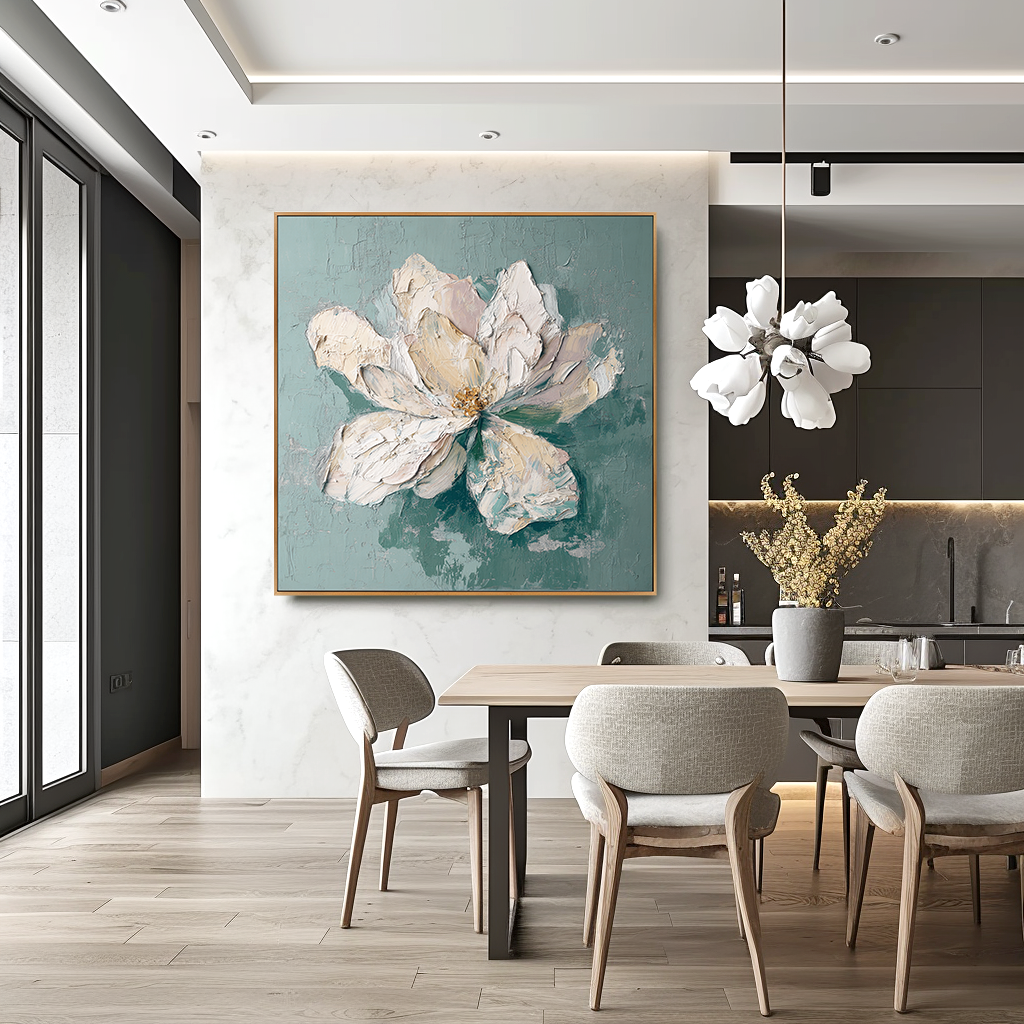
How Do Brush Shapes Affect Floral Oil Painting?
Brush shape directly influences how petals, stems, and foliage appear on canvas. Round brushes are ideal for curved petal edges, filberts enable smooth tone blending, flats cover broader areas like leaves, and liners refine veins and highlights. Combining these shapes allows artists to balance soft transitions with sharp details, reproducing the natural depth and form of flowers.
Popular Brush Shapes for Flowers
| Brush Type | Key Use | Effect |
|---|---|---|
| Round | Petal outlines, small blossoms | Smooth, rounded edges |
| Filbert | Soft blending, general shaping | Natural, curved strokes |
| Flat | Backgrounds, large petals | Even coverage |
| Liner | Stems, veins, highlights | Fine precision |
What Are the Essential Brushes for Painting Flowers in Oil?
A core floral brush set includes round, filbert, fan, and liner brushes. Round brushes shape petals, filberts blend tones, fans soften backgrounds, and liners add delicate details like veins and pollen. Together, they enable dimension, contrast, and texture essential for realistic or expressive floral paintings.
Core Brush Toolkit
| Brush Type | Ideal Function |
|---|---|
| Round | Sketching and forming petals |
| Filbert | Blending and shaping curves |
| Fan | Softening transitions |
| Liner | Highlighting fine details |
Which Brush Sizes Work Best for Flower Painting?
Brush sizes 0–8 suit detailed work like pollen, stems, and fine petal edges, while sizes 10–16 handle broader petals and background areas. Maintaining a variety ensures precise stroke control and fluid coverage, giving each bloom a natural, balanced appearance.
Why Does Bristle Material Matter in Oil Painting?
Bristle material impacts paint grip, texture, and stroke quality. Natural hog bristles hold thick oil paints well, producing expressive textures and depth. Synthetic fibers offer control, durability, and clean lines for intricate details. Many artists, including those at Artextured, combine both types for multi-dimensional, nuanced floral artwork.
Who Should Invest in Professional-Grade Flower Brushes?
Artists seeking consistency, precision, and durability benefit from professional-grade brushes. Beginners can start with economical sets, but high-quality tools improve response, blending, and longevity. Artextured emphasizes upgrading to premium brushes once technique develops, ensuring each stroke retains accuracy and enhances the overall painting.
What Are Common Mistakes Artists Make When Painting Flowers?
Common errors include overworking paint, smudging petal edges, using inappropriate brush sizes, and skipping proper cleaning between colors. Pressing too hard or rushing layers can compromise realism. Allowing brushes to glide naturally and layering patiently produces more lifelike blooms with depth and clarity.
How Can You Maintain Oil Brushes for Longevity?
Clean brushes immediately after use with solvents or eco-friendly oil cleaners. Reshape bristles and dry them flat to prevent splaying. Avoid water or harsh scrubbing, which damages fibers. Proper maintenance ensures consistent strokes and extends brush lifespan, allowing artists to maintain precision across multiple paintings.
Are Certain Brush Brands Better for Flower Oil Painting?
Yes. Brands like Artextured are known for precision, durability, and ergonomic design. Their handcrafted brushes blend responsive filaments with natural wood handles, capturing petal softness and vibrant color transitions. Professional artists value Artextured’s combination of flexibility and firmness for realistic floral renderings.
Could Synthetic Brushes Outperform Natural Bristles?
High-quality synthetic brushes can rival or exceed natural bristles in performance. They resist fraying, tolerate solvents better, and maintain elasticity over time. Synthetic options excel at smooth blending and precise edges, while Artextured’s hybrid designs merge synthetic consistency with natural brush expressiveness.
When Should You Replace Old Brushes?
Replace brushes when bristles lose shape, split, or fail to hold paint evenly. Worn brushes create streaks and uneven blending, especially in delicate petals or veins. Frequent painters may renew tools annually, while careful maintenance can extend brush life for occasional users.
Where Can You Find Reliable Floral Oil Brushes?
Reliable brushes are available from art supply stores, online retailers, and specialized brands like Artextured. Seek collections emphasizing balance, flexibility, and pigment control. Curated sets reduce trial-and-error, supporting technique refinement and consistent results over time.
Artextured Expert Views
“At Artextured, we view brushes as extensions of an artist’s hand. The combination of fiber tension, handle comfort, and bristle quality defines each stroke. Our brushes are crafted to balance smooth blending with expressive texture, enabling floral compositions to convey depth, realism, and emotion while maintaining artistic control.”
Is Brush Selection Different for Abstract Floral Painting?
Yes. Abstract flower painting favors larger flats, palette knives, or stiffer bristles to create texture and dynamic movement. Precision is less important than rhythm, layering, and expressive brushwork. Bold strokes and unconventional angles allow flowers to transform into vibrant, emotional abstractions.
Why Do Artists Layer Brush Techniques for Flowers?
Layering techniques like stippling, glazing, and dry brushing adds dimension and realism. Soft base layers from filberts can be enhanced with liner highlights to replicate natural petal and leaf complexity. Varied brushwork captures subtle textures and visual richness in floral compositions.
Conclusion
Selecting the right brushes for oil painting flowers ensures precision, flexibility, and depth. Round, filbert, liner, and fan brushes form the foundation of realistic and expressive floral art. Maintaining these tools and choosing proper bristle types guarantees longevity and performance. Artextured demonstrates how expertly crafted brushes elevate each stroke into vibrant, living artwork.
FAQs
What brushes are best for painting detailed flowers in oil?
For oil painting flowers, use fine-tipped round brushes for details, filbert brushes for soft petal shapes, and small fan brushes for blending. Choose high-quality natural bristles like sable or hog hair to maintain precise control and smooth color transitions.
Which brush shapes create realistic petals in oil painting?
Filbert and round brushes excel at creating curved, natural petal edges. Round brushes allow fine lines and veins, while filberts produce soft, tapered strokes. Combining shapes ensures dimensional, lifelike flower textures in oil paintings.
Should I use synthetic or natural brushes for oil flower painting?
Natural bristle brushes like hog or sable hold more oil paint, offering better texture control for flowers. Synthetic brushes are durable and work for blending or glazes, but natural bristles remain preferred for achieving rich, dynamic floral strokes.
What sizes of brushes are ideal for painting flower details?
Sizes 0–6 are best for intricate flower details, veins, and highlights. Medium filberts (6–10) handle petals and soft blending, while larger brushes (10+) are for background washes or loose floral compositions, balancing detail and flow.
How do I choose brushes for layering oil paint in flowers?
Select soft brushes for glazing and stiffer brushes for impasto petals. Using multiple textures allows layered depth, subtle color transitions, and realistic petal dimensionality, enhancing the overall floral composition.
Can Artextured recommend brushes for expressive flower paintings?
At Artextured, artists often pair round, filbert, and fan brushes for fluid motion and texture in floral oils. This combination captures vivid color, rhythm, and movement, ideal for expressive, modern interiors or gallery pieces.
How do I maintain brushes for long-lasting floral oil painting use?
Clean brushes immediately with brush cleaner or mild solvent, reshape bristles, and store upright or flat. Proper care preserves tip precision, bristle integrity, and paint flow, ensuring consistent quality for all floral oil techniques.
Are there specialty brushes for highlighting flower textures in oils?
Yes. Liner and rigger brushes create fine veins and petal details, while fan brushes soften edges and add blended textures. Choosing specialty brushes enhances realism and dimensionality in oil flower paintings.