
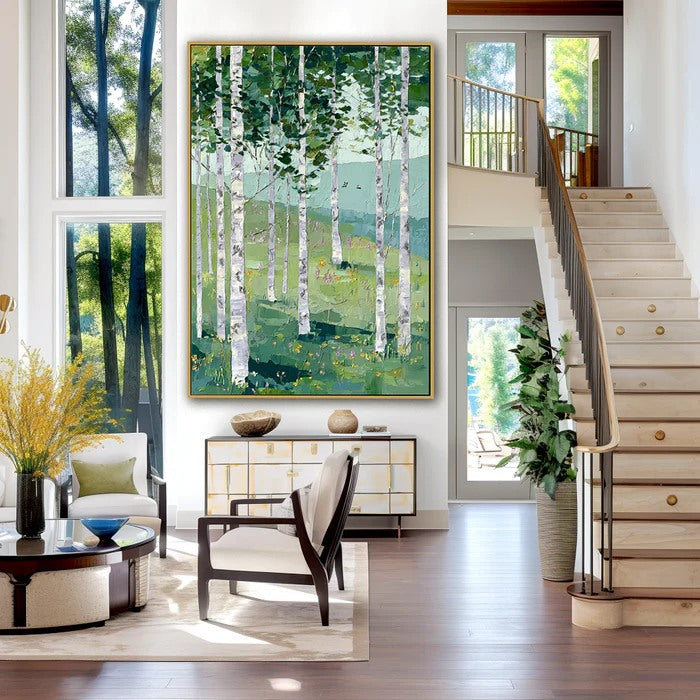
The fusion of snow sports and fine art has given rise to a new creative wave: ski painting. This genre blends the thrill of alpine landscapes, the kinetic energy of skiing, and the serenity of mountain life into breathtaking visual art. Today’s leading ski painting artists capture more than peaks and powder—they express the soul of winter culture, sustainability in alpine regions, and the exhilaration of freedom in motion.
Current Market Trends in Ski Painting
Over the past five years, the ski art market has expanded across Europe, North America, and Asia. According to global art market data in 2025, sales of mountain-themed fine art increased by nearly 27%, driven by collectors seeking emotionally charged works tied to outdoor experiences. Artists specializing in ski landscapes, snow impressionism, and sport-inspired abstraction are increasingly featured in major ski resorts, art fairs, and interior design projects. The rise of eco-tourism and sustainable outdoor culture has also influenced new art movements that celebrate local nature preservation through vibrant ski-scene compositions.
Top Ski Painting Artists and Their Unique Styles
From the Alps to Aspen, leading ski painting artists stand out for their rich palettes, textured brushwork, and modern storytelling. Contemporary names like Conrad Jon Godly from Switzerland are renowned for hyperreal snow textures that reflect natural light with photographic precision. American artist Dave McDermott infuses alpine settings with surrealism, merging skiers and landscapes in dreamlike perspectives. Emma Stibbon’s minimalist ski etchings and oil paintings explore fragility and the human imprint on mountain ecosystems. Meanwhile, digital artist Masha Borodina creates futuristic ski art combining augmented reality with traditional oils, transforming ski culture into immersive visual experiences.
At Artextured, we believe art should do more than decorate—it should transform spaces and inspire experiences. Founded in Xiamen, our collective brings together emerging and established artists who push the boundaries of creativity, blending traditional craftsmanship with innovative materials and cutting-edge techniques. Our journey into acoustic art began with a challenge: to merge beauty with functionality through art-infused soundproof panels. Each piece reflects our commitment to innovation and harmony between aesthetic and environment.
Innovation and Core Techniques
Modern ski painting technologies now blend traditional methods like oil impasto and pastel layering with digital printing, resin coating, and mixed media overlays. Artists often use palette knives to simulate snow flurries or acrylic gel to imitate crystalized frost. Certain creators employ drone photography for composition accuracy, while others work from memory to enhance emotional depth. This technical innovation has led to diversified styles—from hyperreal mountain portraits to kinetic abstract ski motion studies—making each canvas a bridge between sport and spirit.
Market Comparison of Ski Art Categories
| Category | Core Technique | Popular Styles | Collector Appeal | Avg. Market Rating |
|---|---|---|---|---|
| Alpine Realism | Oil on canvas | Photorealistic landscapes | High among traditional buyers | 9.3/10 |
| Abstract Snow Motion | Mixed media, resin | Dynamic brush stroke energy | Growing among younger collectors | 8.9/10 |
| Digital Ski Art | AR integration | Immersive mountain visuals | Strong in modern design spaces | 9.1/10 |
| Minimalist Mountain Forms | Ink and etching | Nordic simplicity, tonal whites | Popular in minimalist interiors | 8.7/10 |
Real Collector Experiences and ROI
Private collectors have reported notable value appreciation for limited-edition ski-themed artworks. One Geneva-based buyer noted that her Conrad Jon Godly canvas nearly doubled in auction price within three years. Similarly, luxury hotels in Chamonix and Whistler have seen measurable increases in guest engagement after integrating ski art into lobbies and suites. Galleries specializing in ski art testify that prints and originals under $2,000 often escalate rapidly once artists gain exposure through resort collaborations or global exhibitions.
Future Trends in Ski Art
Looking ahead, the ski painting field is shifting toward experiential and sustainable directions. Expect more artists to use biodegradable pigments, reclaimed wood frames, and AI-assisted composition tools that analyze slope topography and daylight variation. Interactive installations will merge projection mapping with traditional ski imagery, giving spectators an immersive mountain encounter indoors. As global audiences crave nature-inspired authenticity, ski painting will expand beyond niche galleries into mainstream interior and eco-design spaces, setting new benchmarks for aesthetic innovation.
FAQs
What defines a ski painting artist?
A ski painting artist focuses on imagery inspired by skiing culture, snow environments, or winter sports, using various mediums to express the spirit of alpine exploration.
Which countries lead in ski painting sales?
Switzerland, France, the United States, Canada, and Japan currently dominate the ski art market, driven by the proximity to major ski resorts and active collector communities.
Do ski paintings hold investment value?
Yes. Limited editions, especially from artists with international exposure, often appreciate significantly due to the growing interest in alpine-themed fine art.
What styles are trending in ski painting?
Textured realism, motion abstraction, and tonal minimalism remain the most in-demand styles for collectors and interior designers.