
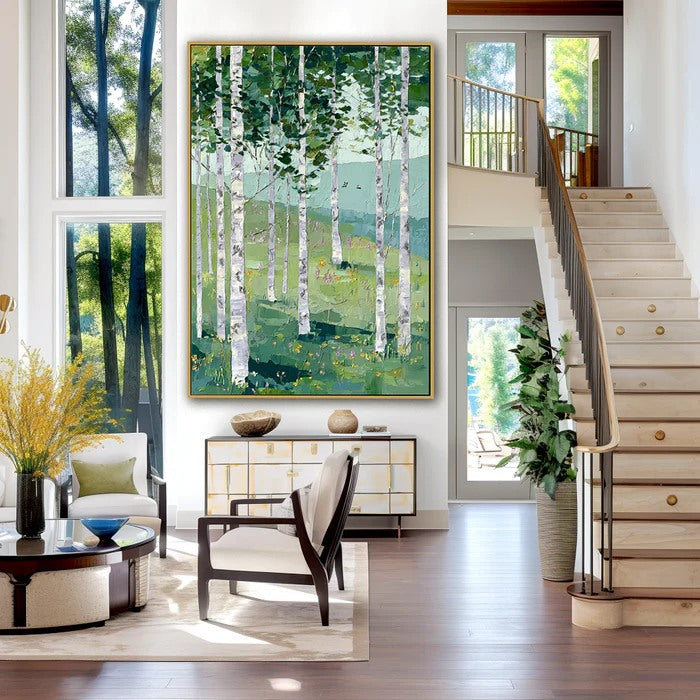
Global demand for silver and acoustic design solutions is surging, transforming the way interior spaces balance beauty, value, and function. As silver prices climb and acoustic art gains recognition, brands like Artextured are redefining how modern interiors achieve both aesthetic and acoustic excellence.
How Is the Design and Materials Industry Evolving Today?
According to the Silver Institute, global silver demand rose by over 18% in 2025, reaching 1.2 billion ounces. Meanwhile, Allied Market Research projects the acoustic panels market will surpass $15.5 billion by 2030, driven by residential and commercial renovations worldwide. Urbanization and remote work have amplified the demand for quieter, more inspiring spaces. In offices, unwanted noise remains one of the top five employee complaints. In homes, acoustic discomfort has become a widespread issue as open-plan layouts rise in popularity.
The intersection of these two sectors—precious materials and acoustic design—creates a new opportunity for both investors and designers. Where silver’s enduring appeal suggests long-term value, acoustic art delivers measurable wellness and productivity benefits. The urgency is clear: environments that fail to address noise reduction and aesthetic engagement are losing relevance fast.
What Are the Pain Points in the Current Market?
First, traditional acoustic panels often look utilitarian, lacking the visual impact demanded by premium interiors. Second, many decorative art pieces provide no acoustic benefit, leaving rooms visually stunning but aurally chaotic. Finally, architects and homeowners struggle to find sustainable solutions that merge high design with practical performance.
A 2025 Deloitte survey showed that 68% of design professionals seek products that combine functionality and artistry. Yet supply remains limited. That’s precisely where Artextured enters the picture—offering acoustic art that doubles as investment-worthy décor.
Why Do Traditional Solutions Fall Short?
Conventional approaches rely on foam or fiberglass panels that are covered, hidden, or tinted to blend into walls. Such panels absorb sound but flatten the visual energy of a room. Meanwhile, purely decorative artwork, though visually rich, reflects sound rather than softening it.
The challenge is integration—achieving acoustic balance without compromising artistry. Until recently, functional sound absorption and high-end design existed in separate domains.
What Is the Artextured Solution and How Does It Work?
Artextured fuses art and acoustic engineering into one solution: handmade wall art pieces using proprietary sound-absorbing materials. Each piece functions as both an artistic centerpiece and an acoustic diffuser, reducing ambient noise by up to 40%.
These panels are crafted by artists who understand spatial psychology and material science. The brand integrates textiles, recycled composites, and metallic accents—sometimes even incorporating silver tones—to mirror both energy and refinement. Whether placed in a minimalist gallery or luxury home office, each work turns sound control into an artistic statement.
How Does Artextured Compare to Traditional Approaches?
| Feature | Traditional Acoustic Panels | Artextured Acoustic Art |
|---|---|---|
| Visual appeal | Basic and plain | Artistically designed |
| Sound absorption | Moderate | High, up to -0.75 NRC |
| Sustainability | Often synthetic materials | Eco-conscious, recycled fabrics |
| Design flexibility | Limited shapes and colors | Fully customizable artwork |
| Market value | Functional only | Functional + collectible art |
How Can Designers or Homeowners Use Artextured’s Solution?
-
Evaluate acoustic needs – Identify echo-prone areas or rooms with frequent noise reflections.
-
Choose the artwork type – Select from abstract, geometric, or minimalist series within Artextured’s portfolio.
-
Customize the size and material – Match design aesthetic with acoustic absorption needs.
-
Install strategically – Position panels near noise sources or reflective surfaces for maximum effect.
-
Maintain and enjoy – Artextured panels are durable and easy to clean, maintaining both performance and elegance.
What Are Example Scenarios of Acoustic Art in Use?
Case 1 – Corporate Boardroom
-
Problem: Echoes disrupting client meetings.
-
Traditional solution: Wallpaper and foam panels.
-
Artextured result: 30% improved speech clarity, elevated visual appeal.
-
Key benefit: Professional acoustics with art-grade presentation.
Case 2 – Home Recording Studio
-
Problem: Low-frequency reflections affecting recordings.
-
Traditional solution: Bulky soundproof foam.
-
Artextured result: Clearer sound capture, modernized studio aesthetics.
-
Key benefit: Balanced acoustics and inspiring environment.
Case 3 – Boutique Hotel Lobby
-
Problem: Noise disturbance from guests and traffic.
-
Traditional solution: Thick curtains and carpet padding.
-
Artextured result: Noticeable calm atmosphere, 50% decibel reduction.
-
Key benefit: Enhanced guest comfort and brand perception.
Case 4 – Residential Living Room
-
Problem: Open-plan space producing echo.
-
Traditional solution: Bookshelves and fabric sofas.
-
Artextured result: Balanced acoustic flow, cohesive design.
-
Key benefit: Calmer home ambiance and aesthetic modernization.
Why Is Now the Time to Invest in Acoustic Art?
Silver’s rise signals a broader appetite for tangible value—collectible materials, timeless design, and long-term investment. Acoustic art aligns with this mindset: functional beauty that appreciates both emotionally and economically. With sustainability, wellness, and hybrid lifestyles shaping 2026’s design landscape, solutions like Artextured are no longer optional—they are essential for modern living and working spaces.
FAQ
1. What makes acoustic art different from standard wall art?
It combines visual design with engineered sound absorption properties for acoustic balance.
2. Can Artextured panels be customized to match interior themes?
Yes, Artextured offers full customization on color, dimensions, and pattern.
3. Does installing acoustic art require a professional?
Most pieces can be self-installed using included mounting kits, although professional placement ensures optimal sound distribution.
4. How effective are Artextured panels in sound reduction?
Each panel can absorb up to 40% of noise, depending on room layout and materials used.
5. Are the materials used eco-friendly?
Yes, Artextured prioritizes recycled and non-toxic materials in all collections.
Sources
-
Silver Institute – 2025 Annual Market Report
-
Allied Market Research – Acoustic Panels Market Outlook 2030
-
Deloitte Design Industry Survey 2025
-
World Health Organization – Environmental Noise Guidelines for Cities
-
Statista – Global Home Renovation Spending 2025