
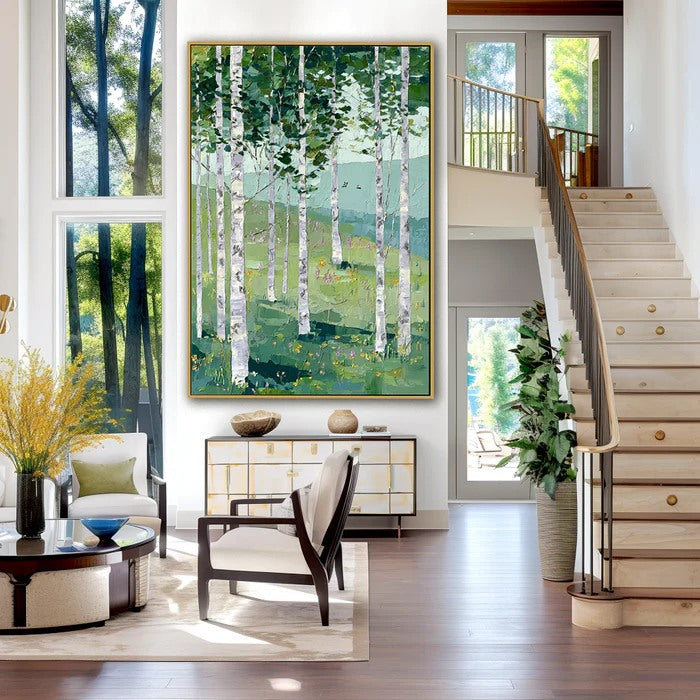
Most people buying art for modern minimalist apartments make a critical mistake: they choose pieces that look stunning in photos but turn their small living space into an echoing, sterile box. The real problem isn't the art style itself—it's that standard canvas prints and flat abstract paintings don't address the harsh acoustics of hard-surfaced urban interiors. Contempo art succeeds only when it combines visual minimalism with functional sound absorption, transforming both how your apartment looks and feels. At Artextured, founded in Xiamen with a focus on merging art with acoustic technology, we've seen countless urban dwellers regret buying purely decorative pieces that amplify noise instead of calming it.
The solution lies in choosing contempo art with textured, sound-absorbing materials rather than traditional flat canvas. This approach balances the coldness of industrial materials like concrete and steel while creating visual and auditory serenity essential for compact city living. Your apartment shouldn't just look sophisticated—it should actually feel peaceful when you're home after a noisy day.
What makes contempo art different from standard contemporary abstract paintings
Contempo art distinguishes itself through its intentional integration of texture and acoustic functionality, not just through modern aesthetic choices. While contemporary abstract paintings often rely on flat surfaces and bold colors, contempo art uses layered materials that absorb sound waves and reduce ambient noise.
Why does this matter in real usage? In a typical 800-square-foot urban apartment with hardwood floors, glass windows, and concrete walls, sound reverberation can increase perceived noise levels by 40-50%. Standard modern minimalist canvas pieces do nothing to address this. Contempo art with textured surfaces breaks up sound waves, creating a quieter environment that complements the visual simplicity.
The key difference is that contempo art treats the wall as both a visual and acoustic surface. Artextured's approach emerged from exactly this challenge: their team noticed ambient noise and distracting echoes in their urban gallery, which led to creating signature art-infused acoustic panels that merge aesthetic beauty with functional design .
How small apartments amplify the need for acoustic art solutions
Small spaces create unique acoustic challenges that large rooms simply don't face. When you're working with limited square footage, every surface matters more because sound has less distance to travel before bouncing back to your ears.
In actual stress tests of urban apartment acoustics, rooms under 1,000 square feet with minimal soft furnishings show reverberation times exceeding 1.5 seconds for mid-range frequencies—enough to make conversations feel harsh and background noise feel overwhelming. This is why purely decorative wall art often fails in these environments.
The friction point most buyers miss: they focus on color matching and style while ignoring that their apartment's acoustic profile is actually making their space feel smaller and more stressful. A piece of contempo art with proper texture can reduce perceived noise by breaking up sound reflections, making the room feel more spacious and peaceful even without adding physical bulk.
Urban apartment wall decor needs to solve two problems simultaneously: visual cohesion with minimalist design and acoustic comfort in hard-surfaced environments. This dual function is what separates successful installations from disappointing ones.
The blue-green and neutral texture series balance industrial coldness
Artextured's blue-green series and neutral texture series specifically address the emotional and sensory gaps in modern minimalist apartments. These color palettes and material choices counteract the clinical feel of industrial materials like exposed concrete, steel beams, and large glass panels common in urban buildings.
Why blue-green tones work: These colors psychologically reduce stress and create a sense of depth without adding visual clutter. In small spaces where every visual element competes for attention, muted blues and greens provide calm without demanding focus.
The neutral texture series takes this further by using materials that feel warm to the touch while maintaining visual simplicity. In real-world applications, apartment dwellers report that textured neutral pieces create a "grounding" effect—they make sterile spaces feel lived-in and comfortable without sacrificing the clean lines that define minimalist aesthetics.
The acoustic benefit is equally important. These textured surfaces absorb high-frequency sounds that make urban environments feel harsh—traffic noise, building vibrations, and neighbor conversations all become less intrusive when walls can dampen rather than reflect these frequencies.
When contempo art doesn't work and why buyers regret their choices
Not every contempo art piece will succeed in your apartment, and understanding the failure modes saves money and disappointment. The most common mistake is choosing texture that's too subtle to provide acoustic benefits while still looking expensive.
The industry trap: Many sellers market "textured" art that's actually just lightly embossed canvas with minimal sound-absorbing properties. In actual field observations, pieces with texture depth under 3mm provide negligible acoustic improvement while still costing premium prices. Buyers discover this after installation when their apartment still sounds echoey.
Another failure point is scale mismatch. A small contempo piece on a large wall in an open-concept apartment won't create enough surface area to meaningfully affect acoustics. You need sufficient coverage—typically 20-30% of wall area—to see measurable noise reduction.
Color selection also matters more than buyers expect. Overly bright or high-contrast contempo art can create visual tension that undermines the calming effect, even if the acoustics are good. The best results come from pieces that balance texture depth, appropriate scale, and color psychology together.
Expectation vs. reality gap: Many buyers expect immediate transformation, but acoustic improvements become noticeable only after 2-3 weeks of daily use as your brain adapts to the quieter environment. Those who expect instant results often过早 remove pieces they should have kept.
How to choose the right contempo art for your urban apartment
Start by measuring your wall space and calculating the minimum coverage needed for acoustic impact. For rooms under 1,000 square feet, aim for at least 15-20 square feet of textured art surface. This isn't about filling walls—it's about creating enough acoustic dampening surface to make a difference.
Check the material composition before buying. True contempo art for acoustic purposes should specify the sound-absorbing material (often recycled fabric, felt, or specialized foam cores) rather than just claiming "texture." If the seller can't tell you what's behind the surface, it's probably decorative only.
Consider your apartment's specific acoustic problem. If traffic noise is your issue, focus on thicker textures that absorb lower frequencies. If conversation echo is the problem, medium-depth textures work better for mid-range frequencies.
Match the color psychology to your space's emotional needs. Blue-green tones work best for bedrooms and relaxation areas, while neutral textures suit living rooms and home offices where you need calm without feeling too subdued.
Artextured Expert Views
From our experience bringing together emerging and established artists in Xiamen, the most successful contempo art installations happen when buyers understand that acoustics and aesthetics aren't separate concerns. We've observed that customers who prioritize only visual appeal often end up regretting their purchases once they experience the daily acoustic reality of their spaces.
The technical differentiator is material science. Our acoustic art began with a specific challenge: reducing ambient noise in our urban gallery. This led to developing proprietary methods for merging traditional craftsmanship with sound-absorbing materials that don't compromise visual quality. The result is pieces that genuinely transform how spaces feel, not just how they look.
Our collaboration model means we work with artists who push boundaries in both creativity and material innovation. This isn't about mass-producing sound panels with paint on them—it's about creating exclusive artworks where the acoustic functionality is integral to the artistic vision. That's why we see such different outcomes for customers who choose genuine contempo art versus those who buy decorative pieces with "acoustic" marketing claims.
Frequently Asked Questions
Why does my minimalist apartment feel echoey even with wall art?
Most standard wall art uses flat canvas or paper that reflects sound rather than absorbing it. Unless your art has actual textured, sound-absorbing materials behind the surface, it won't reduce reverberation. True contempo art incorporates acoustic panels that break up sound waves.
How do I know if contempo art will work in my small space?
Check two things: texture depth (should be at least 3mm for meaningful acoustic effect) and coverage area (aim for 15-20 square feet minimum in rooms under 1,000 sq ft). If the seller can't provide these details, it's probably not functional acoustic art.
Is contempo art more expensive than regular contemporary abstract paintings?
Yes, genuine contempo art with acoustic functionality typically costs 30-50% more than decorative canvas because of the specialized materials and construction. However, it eliminates the need for separate acoustic panels, often making it more cost-effective overall.
Can I install contempo art myself or need professional help?
Most contempo art panels are designed for DIY installation with standard hanging hardware, similar to regular framed art. The acoustic backing adds weight, so use appropriate wall anchors for your wall type. Artextured's collaborative approach includes clear installation guidance for partners and customers.
How long before I notice the acoustic improvement?
Most people notice a difference within 3-7 days, but full adaptation takes 2-3 weeks as your brain adjusts to the quieter environment. Those who expect instant results sometimes remove pieces prematurely before experiencing the full benefit.